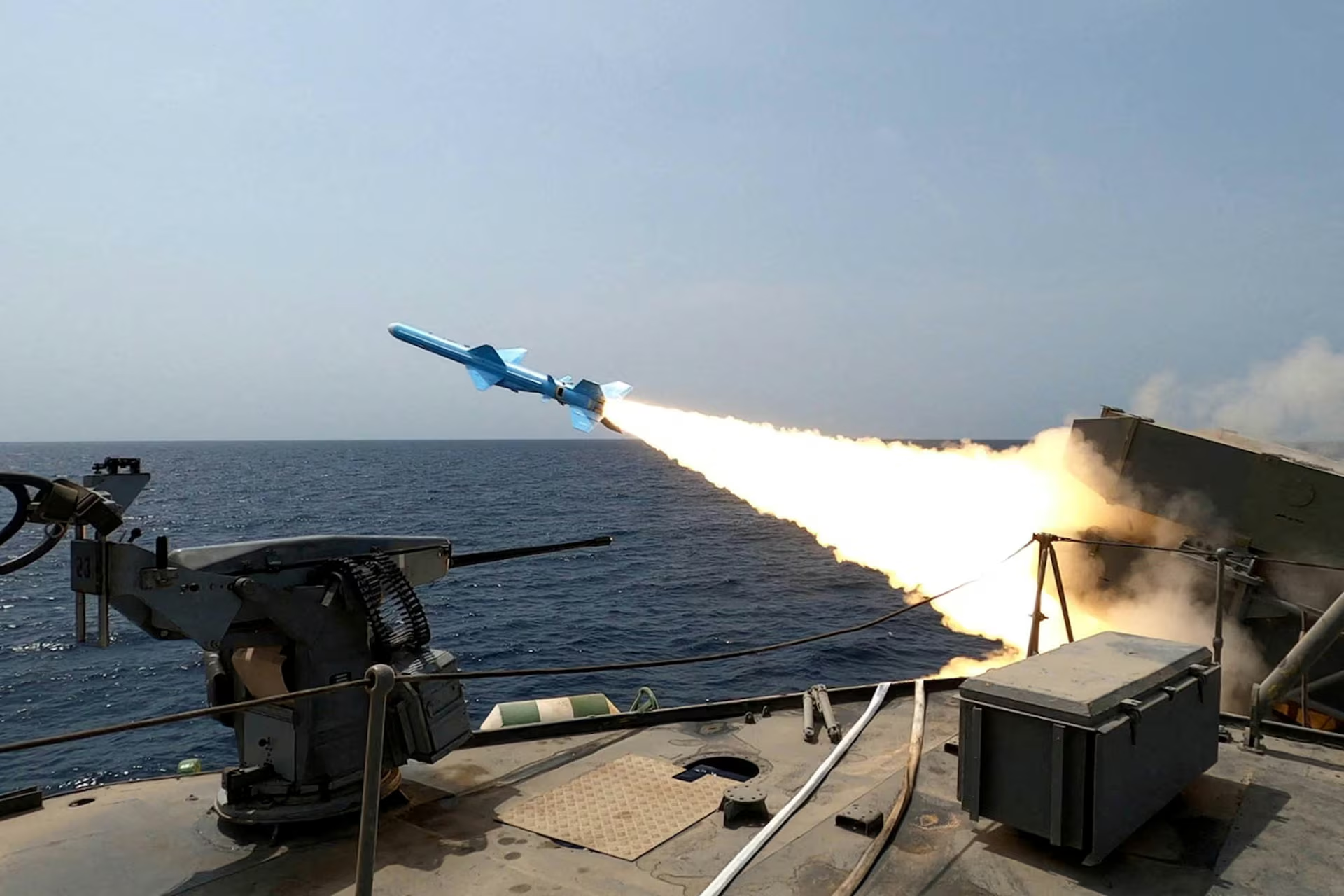

In 2026, the geopolitical landscape in the Middle East has been propelled into a crisis as Iran issues a stern warning to its neighboring countries, signaling a steep escalation in tensions. This alarming development underscores the fragile nature of regional stability, as the interplay of national ambitions, longstanding rivalries, and global power dynamics reaches a boiling point.
Iran’s warning comes amid a backdrop of heightened military activity and strategic posturing from both Iran and its neighbors, particularly Saudi Arabia and Israel. The Iranian leadership has expressed concerns over what it perceives as a coordinated effort by countries in the region to encircle and isolate it, particularly in light of increased military collaborations and alliances, often seen as direct threats to Iranian sovereignty.
The roots of this tension can be traced to several factors. One significant element is the ongoing fallout from the nuclear controversy. Despite previous diplomatic agreements, Iran’s advancements in its nuclear program have alarmed neighboring states, prompting them to bolster their own defense capabilities and seek closer ties with powers like the United States. This arms race has further exacerbated fears of a regional conflict, with each party trying to outmaneuver the other diplomatically and militarily.
Additionally, Iran’s support for proxy groups in countries such as Lebanon, Syria, and Yemen has caused unease among its neighbors, who perceive these groups as extensions of Iranian influence and sources of instability. Reports of Iranian drone technology being transferred to these proxies have intensified the sense of encroachment felt by surrounding nations, igniting fears that a broader confrontation could erupt.
The economic implications of this standoff cannot be overlooked as well. The region is a vital player in global oil markets, and any escalation in conflict would disrupt trade routes, prompting fluctuations in oil prices that could have worldwide repercussions. As tensions rise, international players are becoming increasingly involved in efforts to mediate, concerned over the potential for a military clash that could have catastrophic consequences not just for the Middle East, but for global stability.
Diplomatic channels, although strained, remain pivotal in this context. Mistrust runs deep, yet the need for dialogue has never been more urgent. The possibility of miscalculations and unintended confrontations looms large, necessitating caution from both the West and regional powers. As 2026 unfolds, the world watches closely, hoping for a reduction in hostilities that might pave the way for a renewed focus on peace and cooperation in a region fraught with uncertainty. The question remains: can diplomacy prevail amid escalating threats, or are we on the precipice of a deeper conflict?
For more details and the full reference, visit the source link below:
Read the complete article here: https://brusselsmorning.com/iran-warning-neighbours-2026/90872/