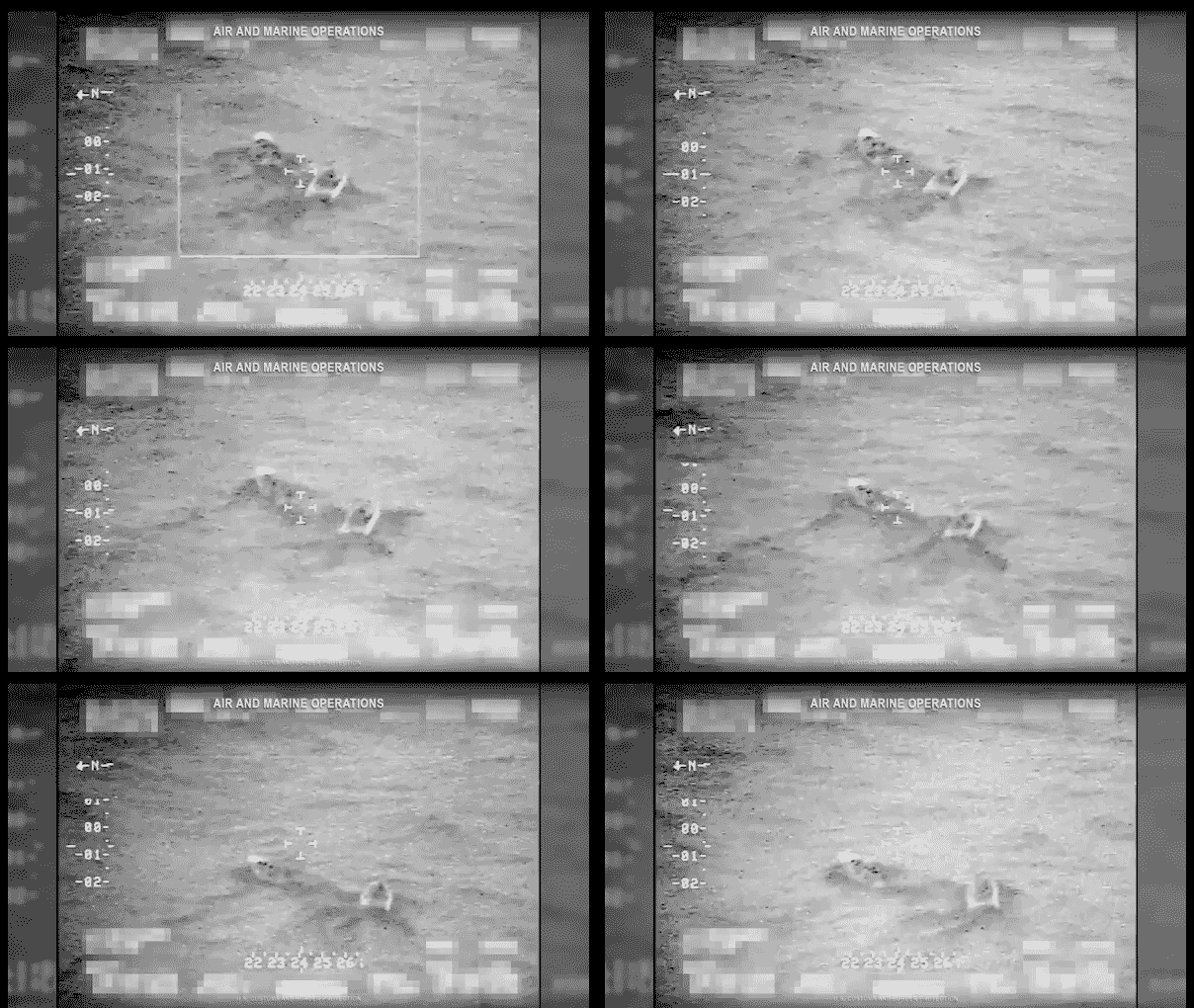

CBP Agents Intercept Boat Carrying 40 Migrants Near Puerto Rico Coast
Introduction
In recent weeks, the United States Customs and Border Protection (CBP) agents successfully intercepted a boat carrying 40 migrants near the coast of Puerto Rico. This incident highlights the ongoing challenges and dangers associated with illegal migration in the Caribbean and emphasizes the role of border security operations in safeguarding U.S. territories. This article delves deeper into the factors leading to such migration attempts, the actions taken by CBP agents, and the broader implications for immigration policy.
The Rise of Migration Attempts
Understanding the Context
Migration from the Caribbean to the United States has a long history, often influenced by various factors such as economic hardship, political instability, and social unrest. Countries like Haiti and the Dominican Republic have seen increasing numbers of individuals willing to risk their lives for a chance at a better future. The pursuit of economic opportunities, safety from violence, and reunification with family in the U.S. drives many people to make perilous journeys across the open sea.
Recent Trends
The recent surge in migration attempts can be attributed to various crises impacting the region. For instance, Haiti has faced severe political instability, natural disasters, and soaring poverty rates. As living conditions worsen, hundreds of individuals have turned to makeshift boats, seeking to reach U.S. shores. The Caribbean Sea is often treacherous, and many lives are lost during these dangerous voyages.
The Role of CBP Agents
Successful Intercept Operations
On a recent operation near the coast of Puerto Rico, CBP agents intercepted a vessel that was carrying 40 migrants. This operation underscores the agency’s commitment to safeguarding U.S. borders and preventing illegal immigration. CBP agents utilize a combination of surveillance technologies, maritime patrols, and intelligence to detect and intervene in such illegal activities.
Challenges Faced by CBP
CBP agents face numerous challenges in their operations. The vastness of the Caribbean Sea and the often-unpredictable weather patterns can complicate search and rescue missions. Additionally, the popularity of human smuggling networks creates a complex landscape where migrants are often exploited. These networks capitalize on vulnerable populations, charging exorbitant fees for life-threatening journeys.
Coordination with Other Agencies
Effective border protection requires collaboration between various agencies. In this instance, CBP worked alongside the U.S. Coast Guard and other local authorities to monitor, intercept, and process the migrants. Such collaborations enhance operational efficiency and ensure that everyone involved receives the necessary care and attention.
The Aftermath of Intercepting Migrants
Processing and Humanitarian Considerations
Once intercepted, the migrants are typically processed by CBP agents. This process includes health screenings, legal processing, and, where applicable, humanitarian support. The U.S. has established protocols to ensure that migrants are treated humanely and that their needs are addressed, particularly in cases where migrants are vulnerable due to health issues or trauma.
Implications for Immigration Policy
The interception of migrants raises important questions regarding U.S. immigration policy. Many advocates argue for more humane immigration reforms that address the root causes of migration, while others emphasize the need for strict border security to deter illegal immigration. This incident can serve as a case study for policymakers as they consider ways to reshape immigration strategies that balance compassion and security.
The Human Element
Stories of Courage and Desperation
Every individual making the dangerous journey has a unique story. Many migrants embark on these voyages with immense hope and courage, motivated by despair. The perilous journey often comes with stories of loss, sacrifice, and longing. Recognizing the human element in these cases is crucial as it adds depth to the conversation surrounding migration.
Community Support and Resources
Nonprofit organizations and community groups often step in to provide support for migrants after they are intercepted. These organizations can offer legal aid, shelter, and assistance in navigating the complexities of immigration systems. Their role is essential in providing hope and fostering successful integration for those who seek to build a new life in the U.S.
Conclusion
The recent interception of a boat carrying 40 migrants near the Puerto Rico coast by CBP agents highlights several critical issues surrounding migration, border security, and human rights. As the U.S. grapples with ongoing challenges related to illegal immigration, it becomes increasingly important to develop comprehensive and humane immigration policies. While the interception illustrates the enforcement capabilities of CBP, it also serves as a reminder of the urgent need for systemic solutions that address the root causes of migration in the Caribbean.
Call to Action
In light of these developments, it is essential for communities, advocates, and policymakers to collaborate in finding solutions to the ongoing migrant crisis. By understanding the complexities of migration, fostering dialogue, and promoting humane policies, society can work towards a future where individuals do not have to risk their lives for the hope of a better tomorrow.
For further information and updates on immigration issues in the Caribbean, stay connected with local news outlets and advocacy organizations. Your support and awareness can contribute to meaningful change in the lives of those seeking safety and opportunity.