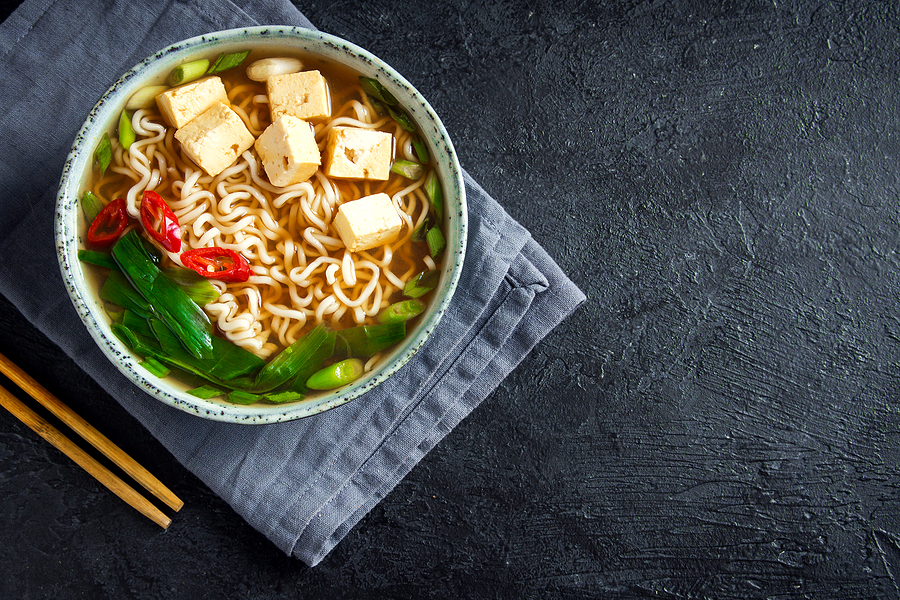

Ramen and pho are two beloved noodle dishes that have captured the hearts of food enthusiasts worldwide. While both originate from Asia and share some commonalities, such as being noodle-based soups, their differences in flavor, ingredients, and cultural significance are significant.
Origin and Background
Ramen hails from Japan and has a complicated history influenced by Chinese noodle-making techniques. It was popularized in the early 20th century and has since evolved into various regional styles, each highlighting unique ingredients and flavors. Pho, on the other hand, originates from Vietnam and dates back to the early 20th century as well. It reflects the French colonial influence on Vietnamese cuisine and has gained international recognition for its aromatic broth and fresh ingredients.
Broth and Flavor Profile
The most striking difference between ramen and pho is their broth. Ramen broth typically comprises a rich, hearty, and sometimes fatty base made from pork, chicken, or seafood, often simmered for hours with ingredients like soy sauce, miso, and various seasonings to develop a deep umami flavor.
Pho broth, conversely, is light and aromatic, primarily based on beef or chicken bones. It’s simmered with spices such as star anise, cloves, and cinnamon, often finished with fresh herbs like cilantro and basil. This results in a fragrant, delicate flavor that emphasizes freshness.
Noodles and Toppings
When it comes to noodles, ramen uses wheat noodles that are thick, chewy, and often curly. The texture is essential to the dish, providing a satisfying bite. Pho noodles, known as bánh phở, are flat rice noodles that are slippery and smooth, contrasting with ramen’s texture.
The toppings differ significantly as well. Ramen may include ingredients such as chashu (braised pork belly), eggs, nori (seaweed), and various vegetables. Pho typically features fresh herbs, bean sprouts, lime, and either beef or chicken slices served on top, which enhances the overall freshness of the dish.
Cultural Significance
Culturally, ramen has evolved into a fast food staple in Japan, with many ramen shops dedicating their menus to various regional styles. Pho, on the other hand, is traditionally consumed as comfort food and often enjoyed as a communal meal, reflecting Vietnamese culture’s emphasis on hospitality and sharing.
In summary, while ramen and pho are both delicious noodle soups offering warmth and comfort, their roots, flavors, and cultural contexts reveal a rich tapestry of culinary traditions. Whether one prefers the hearty depth of ramen or the light aromatic qualities of pho often comes down to personal taste.
For more details and the full reference, visit the source link below: