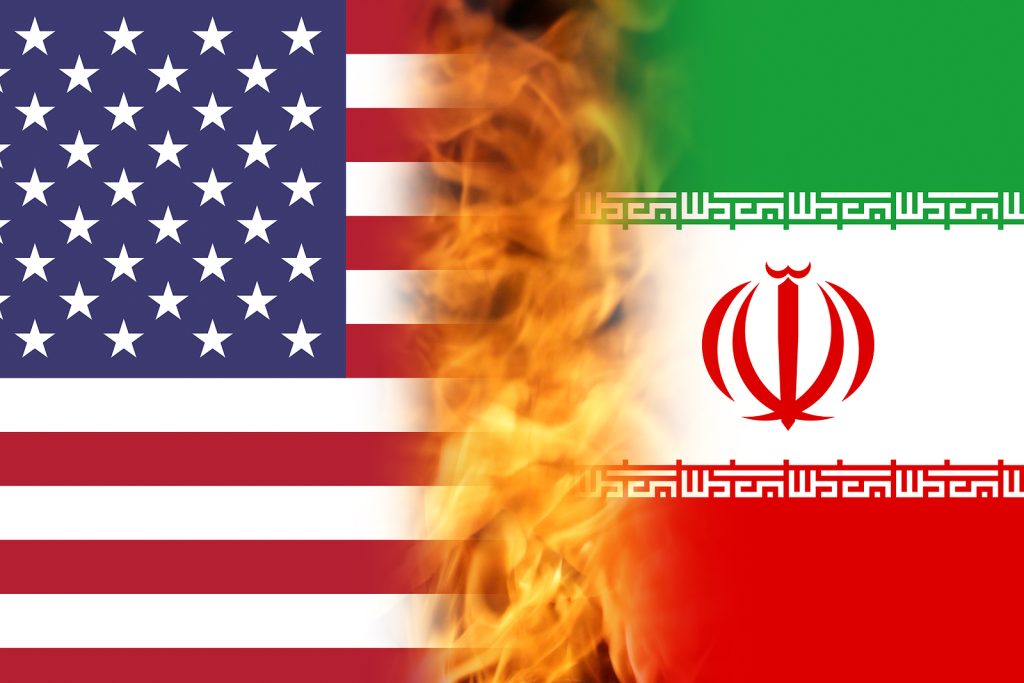

The contemporary global landscape is marked by a permeable veil of tenuous ceasefires and escalating tensions, creating an environment where peace remains but a distant hope. Fragile ceasefires serve as temporary respites from hostilities, yet often merely mask underlying conflicts that can erupt with minimal provocation. This precariousness is evident in various geopolitical contexts, such as the ongoing strife in Ukraine, the turbulence in the Middle East, and the simmering tensions in the South China Sea.
In Ukraine, the ceasefire agreements, while momentarily holding back the tide of war, showcase a cycle of broken promises and renewed aggression. Each breach of a ceasefire agreement not only inflicts further human suffering but also exacerbates the already complicated international relations, drawing in global powers who may have competing interests. The ramifications reach beyond national borders, as countries observe and adjust their foreign policies in response to these developments. The continued military support from Western nations to Ukraine has, for instance, incurred a stronger stance from Russia, complicating pathways to peace while deepening divides within global alliances.
The Middle East embodies a continuum of fragile ceasefires, particularly between Israel and Palestine. Ceasefire agreements are routinely violated, igniting new violence and causing further loss of life. Here, the fragile nature of peace is perpetuated by historical grievances, territorial disputes, and external influences, notably from regional powers that have vested interests in the outcomes. As such, the ceasefire is often less about genuine reconciliation and more an opportunity for strategic regrouping by involved parties. The increasing militarization in the region, coupled with extremist ideologies, makes genuine dialogue essential yet exceedingly difficult.
In the Asia-Pacific, tensions have surged over territorial disputes in the South China Sea, with military maneuvers and rhetoric escalating between China and the United States. The United States perceives China’s growing influence as a challenge to the established international order, leading to military alliances and increased exercises in the region. Such posturing risks igniting confrontations that could spiral out of control, creating a precarious global situation where localized tensions can quickly escalate into broader conflicts.
The combination of fragile ceasefires and rising global tensions highlights a critical reality of our times: the quest for peace is often undercut by a failure to address the root causes of conflict. The international community faces daunting challenges in fostering sustainable solutions and preventing further escalation of hostilities. True peace requires not only the cessation of violence but also an enduring commitment to dialogue, understanding, and addressing the historical and political complexities that fuel conflicts across the globe. Until then, the specter of war continues to loom, as fragile ceasefires serve merely as band-aids over chronic wounds.
For more details and the full reference, visit the source link below: