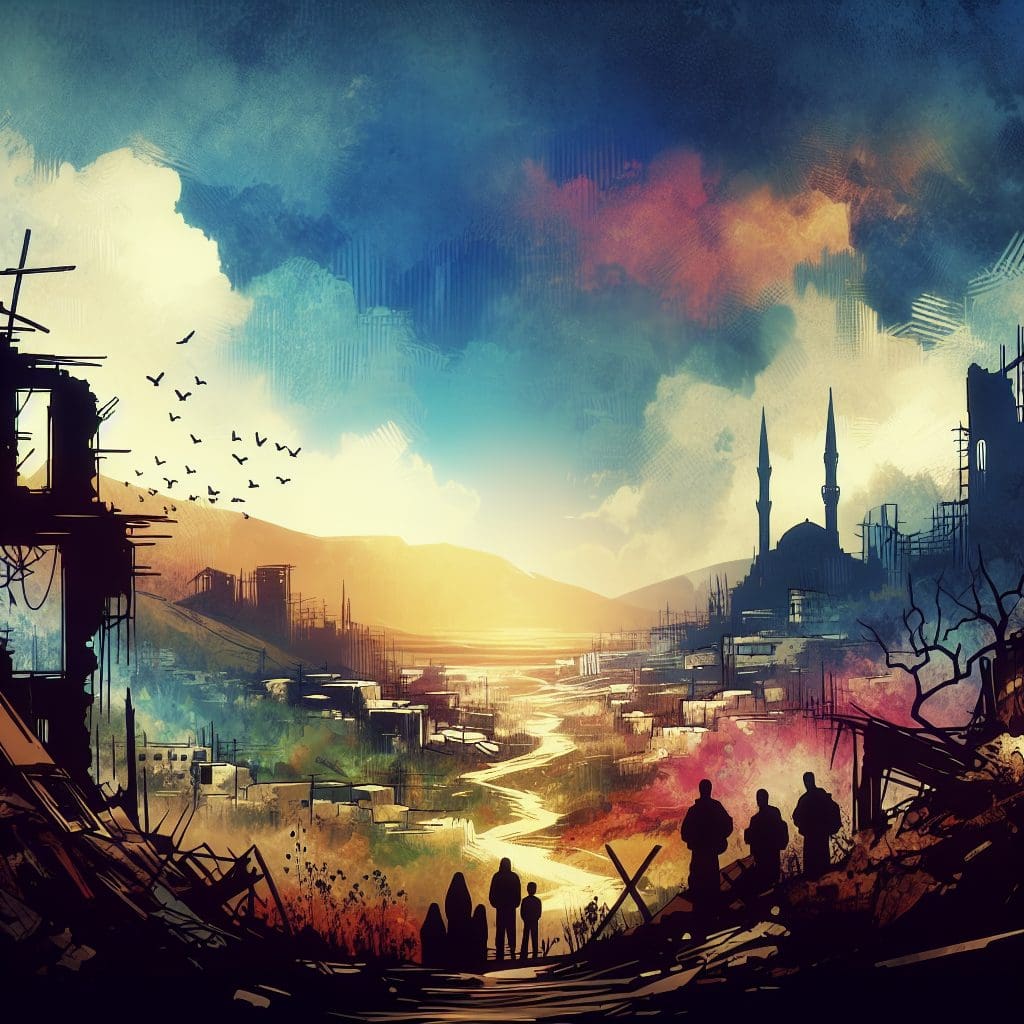

Amidst the turmoil brought about by ongoing conflict in Iran, a flicker of hope persists among many citizens. The impact of war and internal strife has rippled through various facets of Iranian society, affecting everything from the economy to personal freedoms. However, within this landscape of despair, a desire for reform and a change in leadership has emerged.
The current regime, which has long been criticized for its heavy-handed approach and disregard for human rights, faces increasing dissent. Citizens, especially the younger generation yearning for a more inclusive and progressive governance, are starting to vocalize their discontent. Social media platforms, once tightly controlled, have become a rallying point for activists advocating for change, reflecting the sentiment that a transformative shift in leadership is not only necessary but attainable.
A significant driver of this hope for change is the evolution of civil society in Iran. Over the years, grassroots movements have gained momentum, with groups pushing for civil liberties, gender equality, and economic reforms. These movements indicate a growing awareness among the populace that they can influence the political landscape. Events like the protests following the widely disputed 2009 presidential election and the more recent demonstrations against oppressive policies have showcased the resilience and determination of the Iranian people.
Internationally, the narrative surrounding Iran is also shifting. As the world looks towards alternative leadership, some Iranian exiles and politicians are gaining visibility, proposing strategies for a more democratic future. The global community’s attention could pressure the current regime to reconsider its policies or prompt a more significant dialogue regarding reform. The latent desire for a peaceful transition of power rather than a violent upheaval reflects a maturity in the political consciousness of many Iranians.
Yet, despite this burgeoning hope, the path forward remains fraught with challenges. The regime’s propensity for using force to suppress dissent continues to be a significant obstacle. Many activists face imprisonment, harassment, or worse, simply for advocating change. The government’s narrative often frames any calls for reform as Western interference, further complicating the situation.
Nevertheless, the spirit of resistance persists. As Iranians navigate the complex realities of war and repression, hope remains a guiding force. In their hearts, many believe that a shift in leadership is not just a distant dream, but a possible reality—one that could, in time, pave the way for a more just and equitable society. Amidst the chaos, the resilience of the Iranian people shines through, embodying a quest for a future where their voices shape the destiny of their nation.
For more details and the full reference, visit the source link below: