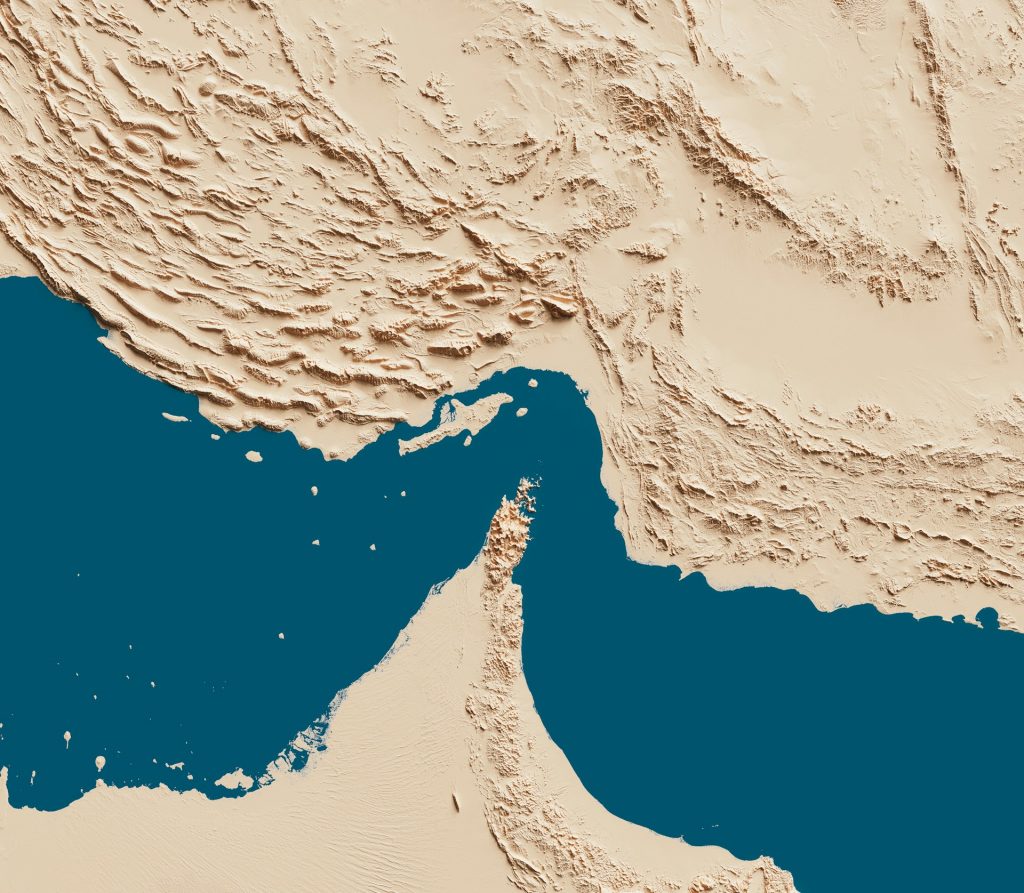

In a recent statement, former President Donald Trump emphasized the strategic significance of the Strait of Hormuz and the movement of oil tankers in the region. The Strait of Hormuz, which connects the Persian Gulf to the Gulf of Oman, plays a pivotal role in global oil transportation, with approximately 20% of the world’s oil passing through this narrow waterway. Trump’s comments reflect ongoing geopolitical dynamics and the economic ramifications associated with oil supply routes.
The Strait has been a focal point of tension, particularly due to the fluctuating relationships between Iran and Western powers. Over the past few years, concerns have escalated regarding the safety of oil tanker operations amid threats made by Iranian officials, particularly during periods of heightened military posturing. Trump’s administration had previously taken a hardline stance against Iran, involving sanctions and military deployments aimed at ensuring freedom of navigation in this crucial waterway.
By stating that oil tankers are moving out of the Strait of Hormuz, Trump suggests a sense of normalcy and stability in a region often characterized by volatility. It is essential to consider the broader implications of such assertions. The movement of oil tankers is not merely a logistical detail; it is a reflection of the health of the global oil market and the geopolitical climate in the Middle East. An uninterrupted flow of oil through the Strait is vital not only for the economies of oil-exporting nations but also for those that are heavily dependent on energy imports.
Oil prices are sensitive to disruptions in the Strait, and the international community closely monitors developments in and around this region. Any significant military activity or diplomatic fallout could lead to spikes in oil prices, affecting consumers and industries worldwide. Thus, when Trump highlights that tankers are operating smoothly, it can be perceived as a positive indicator for global supply chains, but it can also mask underlying tensions that could erupt at any moment.
Moreover, Trump’s remarks can serve as a political tool, as he seeks to present an image of strength and control over complex international issues. By framing the narrative around the safe passage of oil tankers, he positions himself as a staunch advocate for American interests and economic stability.
In conclusion, Trump’s assertion about oil tankers moving out of the Strait of Hormuz underscores the intricate interplay between geopolitics and global economics. While the statement may provide reassurance regarding oil supply continuity, the broader context of regional tensions remains ever-present, reminding us of the fragility of peace in a strategically significant waterway.
For more details and the full reference, visit the source link below:
Read the complete article here: https://www.stl.news/ships-carrying-oil-strait-of-hormuz-trump/