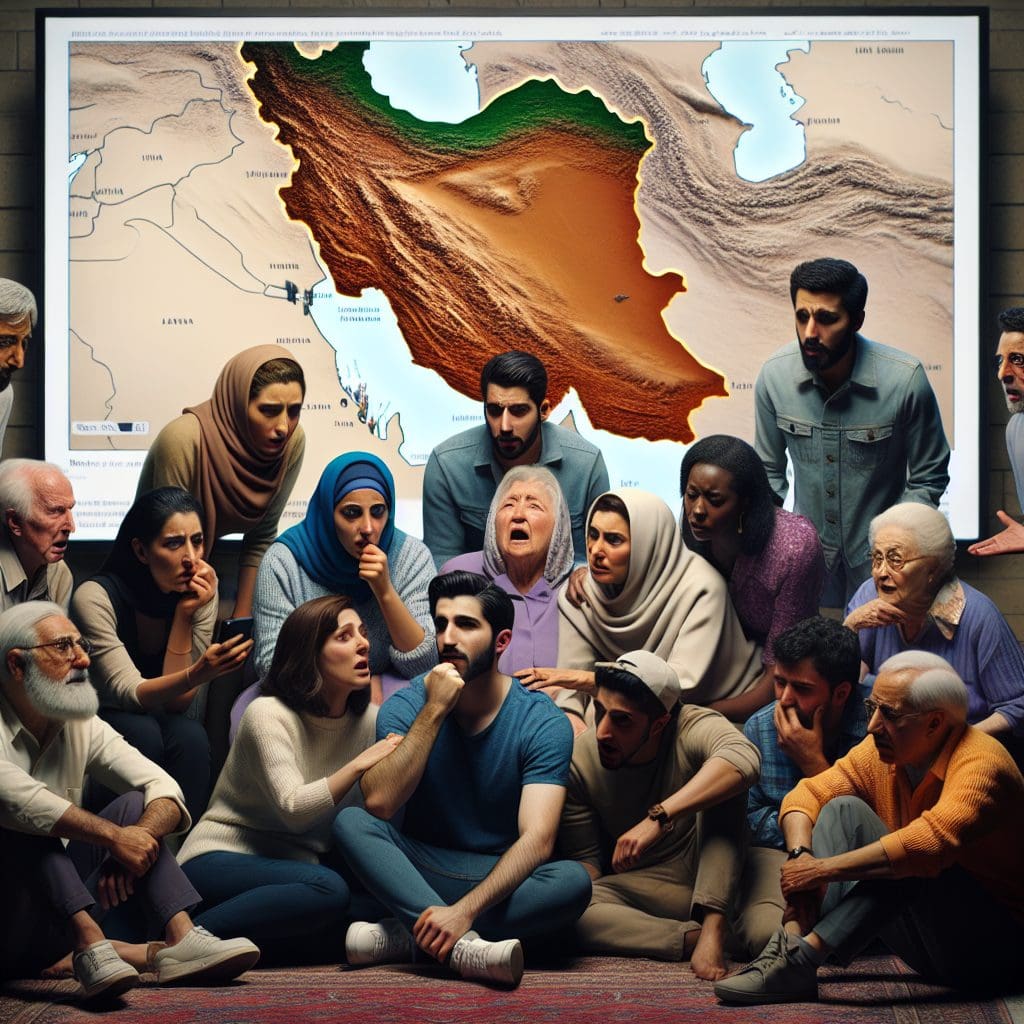

Iranian-Americans in Los Angeles Share Diverse Reactions to the Conflict in Iran
The Iranian-American community in Los Angeles, one of the largest outside Iran, has expressed a wide array of reactions to the escalating conflict in their homeland. With a population rich in cultural diversity, political beliefs, and personal experiences, these reactions highlight both unity and divergence within the community.
Many Iranian-Americans feel a deep connection to the events unfolding in Iran, given that family ties often remain strong. For them, the struggle of their compatriots evokes a sense of urgency and empathy. Protests and demonstrations in Los Angeles, modeled after those in Iran, have drawn thousands who chant slogans of solidarity. These gatherings serve as forums not only for expressing outrage but also for fostering a sense of community among Iranian-Americans. They emphasize the importance of standing in solidarity with those demanding basic human rights and freedoms in Iran.
However, the community is not a monolith. Within Los Angeles’ Iranian diaspora, differing perspectives on the conflict and the best ways to support the movement reflect a broader spectrum of thought. Some advocate for the immediate overthrow of the current regime, believing that direct action and international intervention are necessary for change. They argue that the time for diplomacy has passed and that the voices of the Iranian people must not be silenced.
Conversely, others urge caution, stressing the potential for unintended consequences of foreign intervention. They argue that history has shown that external involvement in Iran’s affairs often exacerbates internal tensions and can lead to greater suffering for the Iranian people. This faction emphasizes grassroots organization, education, and dialogue as more effective means to foster change.
Generational differences further complicate the landscape of reactions. Younger Iranian-Americans, often more connected to global socio-political movements, frequently employ social media to voice their concerns and mobilize support. Their approach is characterized by a blend of activism and awareness-raising, tapping into networks that transcend traditional boundaries. In contrast, older generations tend to favor more conservative, inward-focused strategies, often rooted in the trauma of their own experiences with the Iranian Revolution and its aftermath.
Despite these differences, one sentiment is universally shared: a profound concern for the future of Iran. Many are united in calling for an end to repression, yet their methods and strategies on how to achieve this end vary widely. This rich tapestry of responses illustrates not only the complexity of the situation in Iran but also the multifaceted identity of Iranian-Americans in Los Angeles, as they navigate their roles as advocates, activists, and loyal descendants of a nation in turmoil.
For more details and the full reference, visit the source link below: