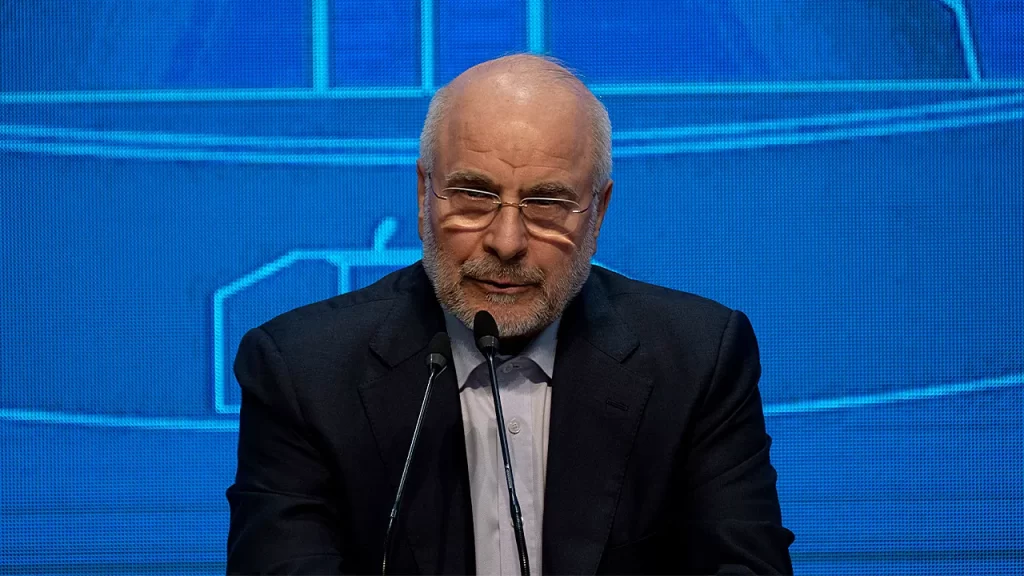

Iran Vows Enemies Won’t Escape Without a ‘Lesson’ Amid Warning of Major World War
In recent statements, Iranian officials have issued stern warnings to their adversaries, asserting that enemies will not escape without facing a significant “lesson.” With the backdrop of increasing geopolitical tensions, Iran’s rhetoric sparks concerns about a potential escalation into a broader conflict, often referred to as a “major world war.” This article delves into the implications of Iran’s threats, the regional dynamics at play, and how this situation might evolve in the future.
Rising Geopolitical Tensions
Understanding the Context
Iran has been at the center of geopolitical tension for decades, particularly in the Middle East. The country has maintained an adversarial stance towards the United States and its allies, contributing to a complex web of alliances and enmities. This complexity is further amplified by Iran’s nuclear ambitions, its involvement in regional conflicts like those in Syria and Yemen, and its support for militant groups.
Recent Events Leading to Iran’s Threats
In recent months, several events have contributed to the mounting tensions:
-
Nuclear Developments: Iran’s continued advancements in its nuclear program have drawn international scrutiny and led to renewed discussions around sanctions and military preparations, heightening fears of an arms race.
-
Military Exercises: The Iranian military has conducted a series of drills that showcase its missile capabilities and readiness to confront any perceived threats, underscoring its commitment to deterrence.
-
Proxy Engagements: Iran’s support for proxy groups across the region, such as Hezbollah in Lebanon and various militias in Iraq and Syria, raises concerns among regional and global powers about Iran’s influence and military reach.
Analyze the Statements
Key Messages from Iranian Officials
Iranian leaders, including President Ebrahim Raisi and military commanders, have reiterated the message that potential aggressors would meet severe consequences. Raisi emphasized, “Our enemies will not escape without a lesson,” indicating that Iran is prepared to retaliate decisively against any perceived threat.
Implications for Regional Stability
These statements signify Iran’s intention to project strength and deter intervention from other nations. However, this could further destabilize an already volatile region. The risk of miscalculation by either side could lead to unintended conflict, dragging multiple nations into a wider war.
The Global Response
Reactions from Western Nations
Western nations, particularly the United States, have responded with caution but firmness. Historically, the U.S. has taken a hard stance towards Iran, employing sanctions and diplomatic pressure to curb its nuclear ambitions. Recent military deployments in the region signify a commitment to defend allies and deter Iranian aggression.
The Role of Allies and Enemies
The dynamics of allies and enemies in this scenario are critical. Countries like Saudi Arabia and Israel view Iran’s actions as a significant threat, often rallying international support to counterbalance Iranian influence. Meanwhile, nations like Russia and China may seek to leverage the situation to expand their influence in the Middle East, complicating the global response.
The Threat of Major World War
Escalation Scenarios
Many analysts consider the potential for Iran’s threats to escalate into a larger conflict, given the near-constant state of friction between Iran and various global powers. Key scenarios include:
- Direct Military Engagement: A misstep in military exercises or an attack on a proxy could lead to direct confrontations involving multiple nations.
- Cyber Warfare: Increasing cyber capabilities could be weaponized, leading to disruptions that escalate tensions.
The Role of International Organizations
Institutions such as the United Nations could play a crucial role in mediating tensions and seeking diplomatic solutions. However, the effectiveness of these organizations is often hampered by conflicting interests among member states.
The Economic Factors
Sanctions and Economic Isolation
Iran’s economy has been heavily impacted by international sanctions, pushing the government to adopt aggressive posturing as a means of asserting its sovereignty. The economic strife faced by ordinary citizens might push the regime to adopt militaristic approaches to unify the public against perceived external threats.
Implications for Global Markets
A broader conflict could have severe ramifications for global oil markets, given that Iran is a key player in the energy sector. Rising oil prices could lead to increased inflation rates globally, impacting economies far beyond the Middle East.
Conclusions
As tensions continue to rise, Iran’s vow that its enemies will not escape without facing a lesson serves as a stark reminder of the fragile state of international relations. The risk of escalation into a major world war necessitates cautious diplomacy, clear communication, and a collective effort to de-escalate tensions.
The hope remains that global powers can find common ground to avert a catastrophic conflict, but the path forward is fraught with complexities that require careful navigation. The international community must remain vigilant in monitoring the situation as developments unfold.
In this era of uncertainty, understanding the intricacies of Iran’s geopolitical stance and its implications for global peace is more critical than ever.