
Incident Overview: Boston Police Officer Surrounded During Street Takeover
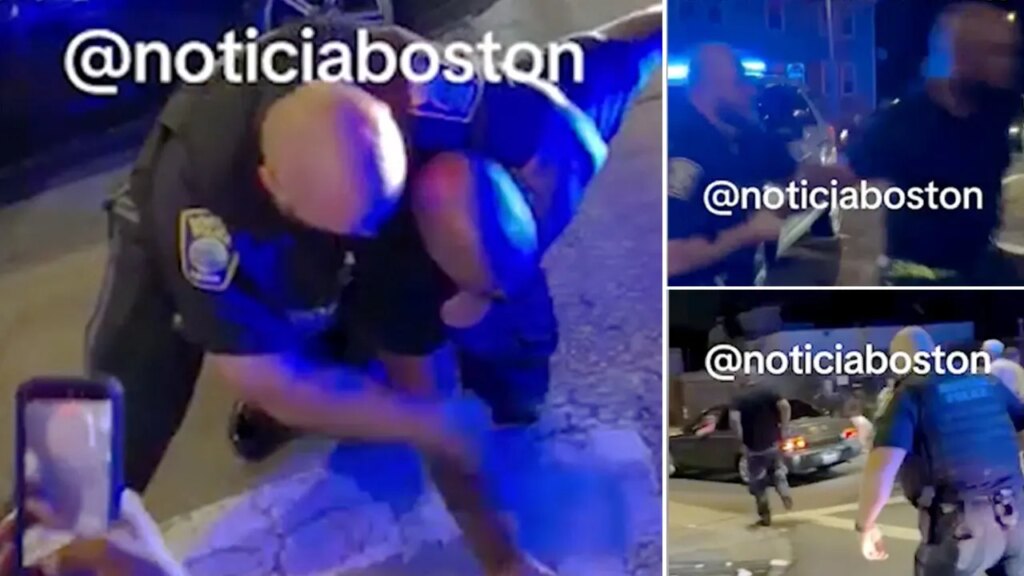
In a startling turn of events, a video has emerged showcasing a Boston police officer left isolated and surrounded during a chaotic street takeover. This incident has sparked discussions about law enforcement’s role in managing public safety during large gatherings and events. In this article, we’ll delve into the details of the incident, its implications for law enforcement, public safety, and community relations.
What Happened During the Street Takeover?
The video in question, which quickly gained traction on social media platforms, features a Boston police officer attempting to control a massive crowd during a street takeover event. As vehicles perform reckless stunts, the officer finds themselves engulfed by a group of onlookers, who appeared more interested in filming the chaos than assisting law enforcement. The isolation of the officer highlights the challenges faced by police when effectively managing large crowds and maintaining order.
Key Details of the Event
- Location: The incident took place in a busy urban area known for hosting various public events, drawing large crowds.
- Timeframe: Occurring late at night, the street takeover was characterized by loud music, cheering, and significant vehicular activity.
- Crowd Behavior: Rather than dispersing when the officer approached, the crowd intensified its behavior, creating a volatile environment.
Implications for Law Enforcement
The isolation of the officer is emblematic of broader challenges faced by police departments. As street takeovers become more frequent, police are forced to find effective strategies to maintain public order while ensuring officer safety.
Increased Risks for Officers
Police officers operate under considerable stress during crowd-control situations. The video emphasizes how rapidly a situation can escalate, increasing risks for individual officers who may find themselves vulnerable. This particular incident raises questions about:
- Support Systems: Are officers receiving adequate backup and resources during these incidents?
- Training: Do current training programs prepare officers for managing high-tension scenarios?
Accountability and Public Trust
The relationship between law enforcement and communities can be strained during such incidents. Public perception of police effectiveness, accountability, and community engagement is pivotal. Here are some considerations:
- Community Relations: Incidents like this can lead to negative perceptions of police intentions. Building trust through community engagement initiatives is crucial for improving police-civilian interactions.
- Media Narratives: The portrayal of such incidents in media can shape public opinion, often leading to polarized views on law enforcement practices.
The Role of Social Media in the Incident
Social media plays a significant role in the rapid dissemination of information and images surrounding such events. In this case, the video went viral, raising awareness about the incident but also inviting scrutiny into police actions.
Positive Aspects of Media Coverage
- Awareness: Videos like this can raise awareness about the challenges law enforcement faces in managing public safety.
- Discussion Stimulator: It serves as a catalyst for discussions surrounding community engagement and policing strategies.
Negative Aspects of Media Coverage
However, the sensational nature of viral videos can also lead to:
- Misinterpretation: Viewers may jump to conclusions without understanding the complexities surrounding the incident.
- Negative Impact on Officers: Publicly shared videos can create an adversarial atmosphere, undermining police morale and complicating future interactions with the community.
Community Engagement Strategies
The incident highlights the necessity for police departments to enhance community engagement efforts. More effective outreach can foster relationships that promote public safety and trust.
Building Partnerships
Police departments should consider collaborating with community organizations, local leaders, and business owners to build trust and understanding. Here are a few strategies:
- Town Hall Meetings: Regular meetings provide a platform for community members to voice concerns and engage in discussions with officers.
- Educational Programs: Hosting workshops or webinars on public safety can inform citizens about law enforcement’s role and responsibilities.
Focus on Transparency
Transparency is crucial in building trust. Police departments can enhance their credibility by:
- Sharing Data: Providing the community with information on policing strategies and outcomes fosters openness.
- Complaint Review Boards: Establishing independent review boards can help ensure accountability and provide the community with a sense of involvement in oversight.
Conclusion: The Path Forward
The incident where a Boston police officer was surrounded during a street takeover serves as a stark reminder of the challenges law enforcement faces in managing public safety during large gatherings. As communities evolve and street takeovers become more prominent, it is essential for police departments to adopt strategies that promote effective crowd management while fostering positive community relations.
By focusing on community engagement, enhancing accountability, and addressing the complexities associated with public safety, law enforcement can work towards creating safer environments for both officers and citizens alike. This incident underscores the importance of collaboration, understanding, and transparency in the ongoing task of maintaining law and order in our cities.
In light of these challenges, community members and law enforcement agencies have an opportunity to work together in understanding each other’s roles and responsibilities, thereby paving the way for effective cooperation in the future.