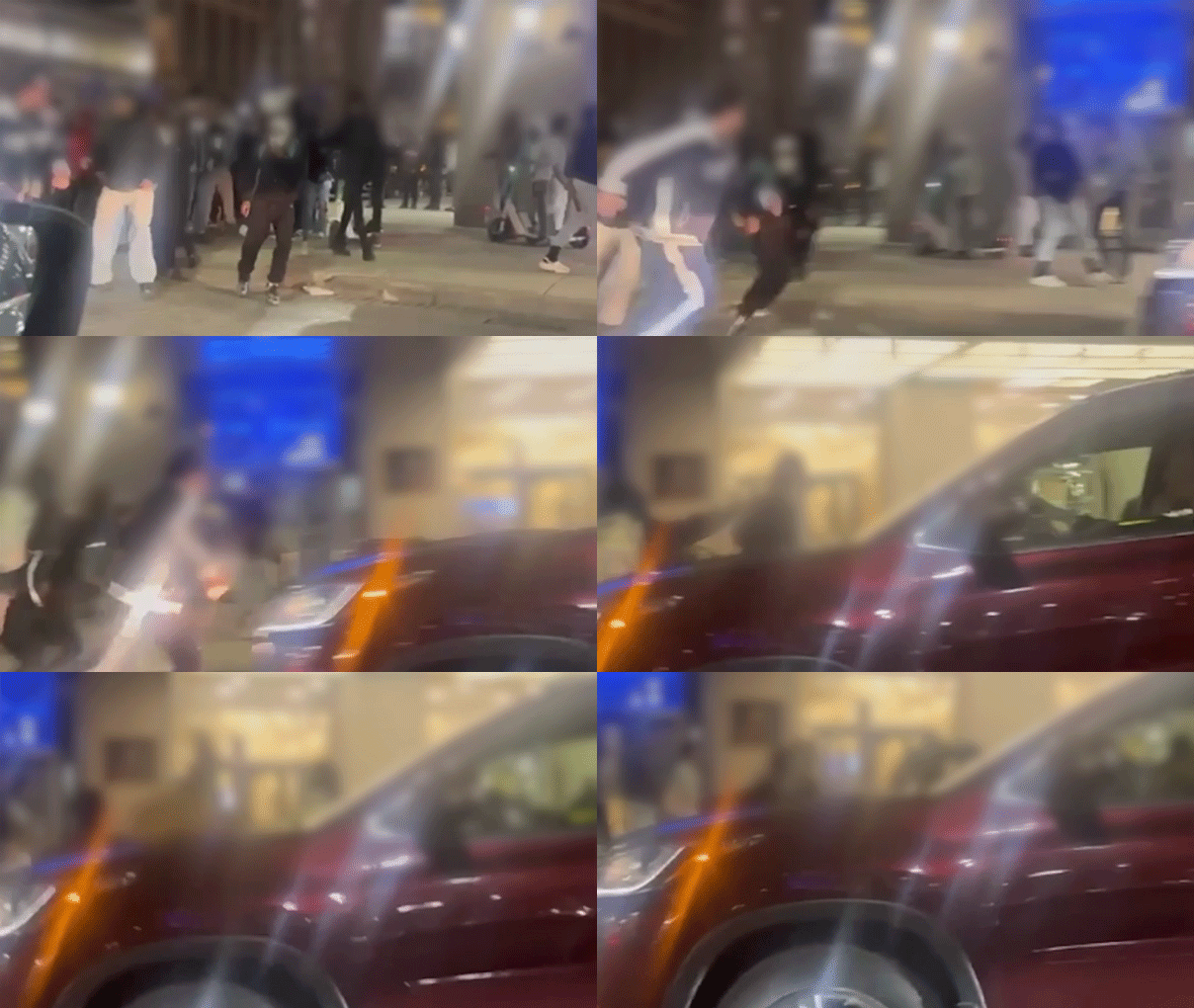

Gun Fired at Detroit Teen Takeover: A Day After Mayor’s Safety Call
Introduction
In recent events, a concerning incident unfolded during a gathering known as the “teen takeover” in Detroit, where gunfire erupted just a day after the city’s mayor had made a public appeal for increased safety measures. This incident not only raises questions about public safety in urban environments but also highlights the implications of youth gatherings and their potential fallout.
The Context of Teen Takeovers
What is a Teen Takeover?
Teen takeovers refer to gatherings organized by young people, often featuring large crowds congregating in public locations, such as parks, plazas, or downtown areas. Although these events can foster a sense of community, they have also become associated with instances of violence and disorder. In Detroit, these gatherings have garnered attention for their unpredictable nature, with community leaders and law enforcement frequently calling for better management and safety precautions.
Recent Trends and Challenges
In recent years, cities across the United States have faced the challenge of managing large youth gatherings. While many of these events are harmless and serve as a venue for teenagers to socialize, the presence of disruptive behavior or criminal activities can lead to negative repercussions. Detroit is no exception, as local leaders grapple with the dual responsibility of upholding public safety while respecting the rights of young individuals to gather and express themselves.
The Mayor’s Safety Call
A Preemptive Move for Community Safety
Before the gunfire incident, Detroit Mayor Mike Duggan made headlines with a call for enhanced safety protocols. His appeal highlighted the escalating concern about youth-driven events and the risks associated with them. The mayor implored community members to come together to ensure a safe environment for young people to socialize while discouraging violence and disorder.
Community Response
The community’s response to the mayor’s call has been mixed. While many residents supported the initiative, hoping it would foster a safer atmosphere for teenagers, others expressed skepticism about the feasibility of implementing effective measures. The mayor’s intervention aimed to promote dialogue between parents, teens, and local law enforcement in hopes of reducing tensions and misunderstandings.
The Incident: Gunfire Erupts
A Disturbing Turn of Events
In a shocking turn of events, gunfire erupted during the planned teen takeover shortly after the mayor’s plea for safety. Witnesses reported chaos as the sound of bullets filled the air, prompting bystanders to flee the scene. Such incidents not only disrupt the gathering but also instill a sense of fear in the community, undermining the very trust that city officials aim to build.
Immediate Aftermath and Response
Authorities quickly responded to the scene, conducting investigations and ensuring that the area was secured. Fortunately, there were no severe injuries reported, but the situation reignited concerns about youth safety during gatherings and the possible presence of firearms in these events.
The Bigger Picture: Youth Violence and Community Safety
Understanding the Roots of Youth Violence
The outbreak of gunfire at the teen takeover underscores a growing problem of youth violence that cities like Detroit are grappling with. Factors contributing to this phenomenon include socio-economic challenges, lack of community resources, and issues related to mental health. Addressing the root causes of youth violence is crucial for long-term solutions.
The Role of Law Enforcement
Law enforcement must adapt to modern challenges in managing crowds that include young people. Effective policing strategies, including community policing and engagement with local youths, can create a more cooperative atmosphere. Building trust between law enforcement and communities is essential for encouraging accountability and responsibility among teenagers.
Moving Forward: Solutions and Alternatives
Community Engagement and Education
The road to enhanced safety during teen gatherings lies in proactive measures that prioritize communication and education. Schools, community centers, and local organizations can play a pivotal role in providing activities and programming that engage young people in positive ways, diverting them away from potentially hazardous situations.
Building Safer Spaces
Local governments and city leaders must focus on creating safe spaces designated for youth gatherings, complete with supervision, activities, and resources. By integrating these approaches into the fabric of the community, cities can mitigate risks and provide youth with opportunities for healthy social interactions.
In Conclusion
The gunfire incident at the Detroit teen takeover, occurring just a day after the mayor’s safety call, serves as a stark reminder of the delicate balance between youth expression and public safety. As Detroit navigates these complex dynamics, it is imperative that all stakeholders, including city officials, law enforcement, community leaders, and families, engage in ongoing dialogue to foster an environment where young people can gather safely.
Addressing the root causes of youth violence, implementing better management strategies, and creating dedicated spaces for gatherings are essential steps toward cultivating a more secure future. Only through collective efforts can cities like Detroit hope to rebuild trust and ensure that such incidents do not become a recurring chapter in the community’s narrative.
By addressing the issue at multiple levels and maintaining open lines of communication, Detroit has the opportunity to transform the narrative surrounding teen takeovers from one of concern and chaos into one of positive community engagement and safety. The future of Detroit’s youth depends on the collective responsibility of the entire community to champion safety and empowerment.