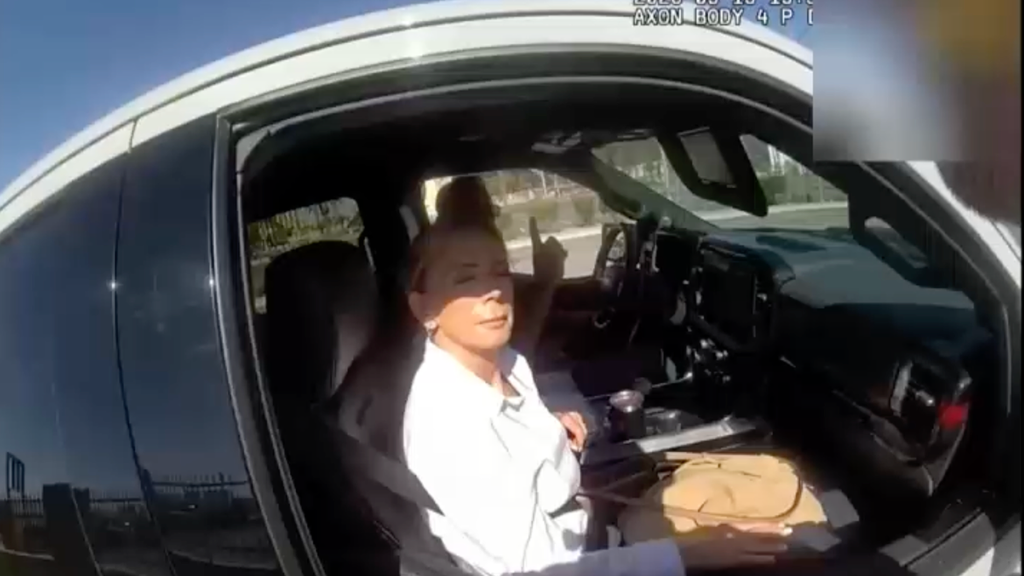

The Traffic Stop that Shook Nevada: An Inside Look at Governor Joe Lombardo’s Incident
Introduction
In a recent traffic stop that has drawn significant media attention, Nevada Governor Joe Lombardo identified himself, stating, “I’m Joe Lombardo.” This incident raises questions about the intersection of public office, authority, and the law. In this article, we will explore the details of the traffic stop, analyze the public’s reaction, and discuss its implications for leadership in Nevada.
Background on Joe Lombardo
Joe Lombardo, a former Las Vegas Metropolitan Police Department Sheriff, became Governor of Nevada in January 2023. Known for his law enforcement background, Lombardo stepped into the political arena with a platform focused on public safety, economic growth, and healthcare reform. His experience has shaped his approach to governance, but it has also placed him under public scrutiny.
The Traffic Stop: What Happened?
The traffic stop occurred in late September, where footage captured Lombardo asserting his identity as the Governor of Nevada. The stop was initiated for a minor traffic violation; however, the video rapidly circulated online, leading to widespread discussions regarding accountability and privilege among public figures.
Key Moments from the Video
In the video, Lombardo is seen calmly providing his identification while stating, “I’m Joe Lombardo.” His demeanor seemed collected, and he was respectful towards the law enforcement officer. However, the situation turned into an instant sensation as it raised discussions around whether his status as governor had any impact on the interaction.
Public Reaction to the Traffic Stop
Mixed Responses
As the footage went viral, public reactions ranged from supportive to highly critical. Some viewed Lombardo’s response as an assertion of his position and a reminder of the public service role of government officials. Others, however, argued that stating his identity at the stop undermined the authority of the law enforcement officer and displayed potential elitism.
Social Media Buzz
Social media played a pivotal role in shaping the narrative. Many users expressed their frustration, emphasizing the need for all individuals—regardless of their status—to be treated equally under the law. Memes, commentary, and debates flared up, with hashtags dedicated to the incident trending across multiple platforms.
Implications for Leadership
Accountability in Public Office
The incident brings to light the critical subject of accountability in leadership. Lombardo’s assertion raises questions about how political figures should conduct themselves in situations involving law enforcement. Public leaders must embody the principles of transparency and accountability that they expect from others.
The Role of the Media
Media coverage of the incident reflects the power of journalism in holding public figures accountable. The sensationalization of this event illustrates how the media can impact public perception and influence political discourse. The attention garnered by this incident can either strengthen or weaken a leader’s position.
Nevada’s Law and Governance
Understanding Traffic Violations
In Nevada, traffic laws are designed to maintain public safety and order on the roads. Traffic stops are standard procedures that police officers perform to enforce these laws. Lombardo’s experience serves to remind all citizens, including public figures, that adherence to the law is essential for all.
Governor’s Role in Law Enforcement
While governors often have a say in state law enforcement policies, it is crucial for them to observe legal protocols just like any average citizen. This incident questions the balance between authority and humility expected from public servants and sheds light on the responsibilities intertwined with leadership.
Conclusion: Lessons Learned
The traffic stop involving Nevada Governor Joe Lombardo has become a significant talking point regarding the relationship between authority, accountability, and public leadership. It serves as a reminder that all individuals, regardless of their status, must abide by the law. Additionally, the incident reinforces the need for transparency and accountability in governance, highlighting the importance of humility among public leaders. Moving forward, this incident may serve as a learning opportunity for both Lombardo and other officials about the role they play not just in governance, but in the public eye as well.
By addressing these issues, Nevada—and indeed any political landscape—can work towards a more transparent, respectful, and accountable future for its leaders and constituents alike.