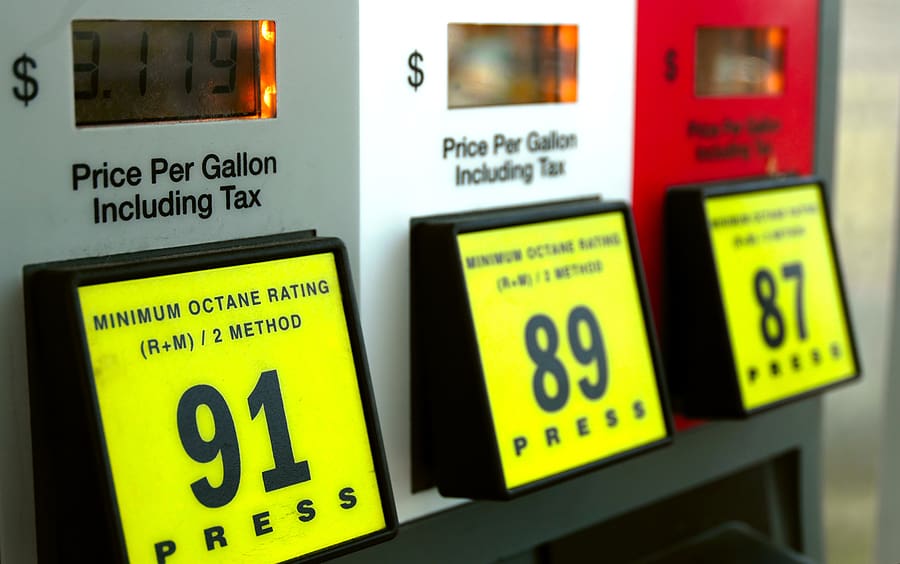

Gas prices have become a significant burden for Americans, particularly those on Main Street. The upward trajectory of fuel costs affects not only individual consumers but also small businesses, which are often the backbone of local economies. Understanding the impact of high gas prices requires a look at both direct and indirect effects on everyday life.
Direct Impact on Consumers
As gas prices soar, consumers find themselves allocating more of their budgets to fuel. This shift can mean cutting back on other necessary expenses, like groceries, housing, or healthcare. Higher gas prices disproportionately affect lower and middle-income households that rely on their vehicles for commuting to work and running errands. The increase in transportation costs forces families to make tough choices, like reducing family outings or even forgoing necessary travel for work or education.
Effects on Small Businesses
Small businesses feel the pinch of rising gas prices almost instantly. For many, fuel costs are a significant part of their operational expenses. Delivery services, construction companies, and any business that relies on transportation are particularly hard-hit. When gas prices rise, these businesses may pass on additional costs to consumers, causing prices for goods and services to increase. This creates a domino effect that can stifle local economic growth as consumers cut back on spending in response to higher prices.
Additionally, the uncertainty surrounding fluctuating gas prices can deter business investment and growth. Small business owners are less likely to take financial risks when they know their profit margins are already being squeezed by costs out of their control. This stagnation can lead to job losses, reduced hiring, and a slowdown in local economic development.
Broader Economic Consequences
The impact of rising gas prices extends beyond immediate cost increases. Higher fuel prices can influence inflation, as transportation costs rise across the board, affecting everything from food to clothing. When transportation costs increase, suppliers often raise their prices, which can contribute to an overall increase in the cost of living. This inflationary pressure can particularly harm those on fixed incomes, making life even more challenging for vulnerable populations.
Conclusion
In summary, soaring gas prices are a significant issue for Main Street. They place financial stress on consumers and small businesses alike, leading to reduced economic activity and potential job losses. As communities struggle to cope with these challenges, it becomes increasingly clear that addressing the root causes of rising fuel prices is essential for fostering long-term economic stability and growth. The average American worker shouldn’t have to feel the pinch at the pump while trying to make ends meet. Policymakers must explore solutions that alleviate the burden on everyday people and small businesses alike.
For more details and the full reference, visit the source link below:
Read the complete article here: https://www.stl.news/why-gas-prices-are-crushing-main-street/