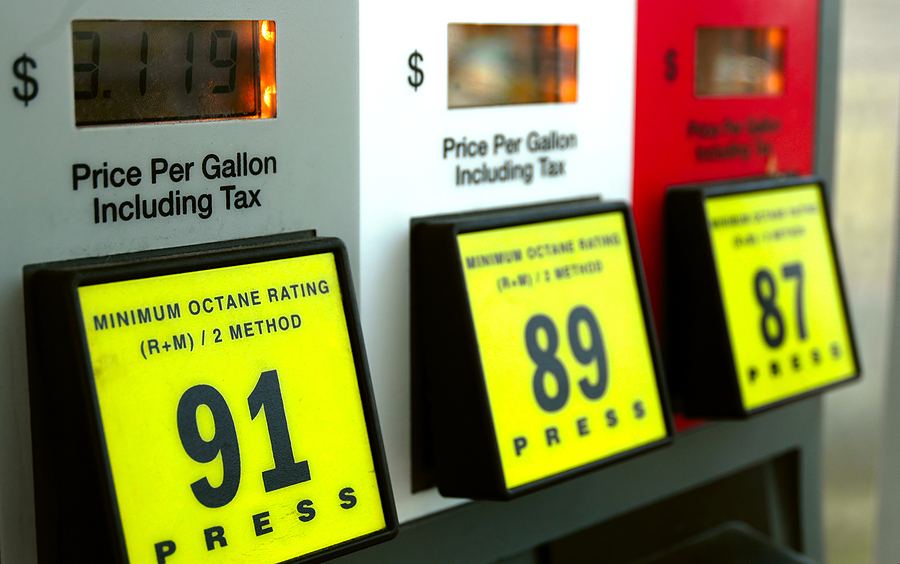

The surge in gas prices in the United States has become a pressing concern for consumers and policymakers alike. Several interlinked factors have contributed to this rapid increase, creating a perfect storm that has driven prices to unprecedented levels.
Firstly, global oil prices have been experiencing significant volatility. This fluctuation is primarily driven by geopolitical tensions, particularly in oil-rich regions. Conflicts such as those in the Middle East or sanctions on major oil producers can disrupt supply chains, leading to a spike in crude oil prices. The U.S., while a major producer of oil, is also deeply intertwined with the global oil market, so these changes impact domestic prices directly.
In addition, demand for fuel rebounded sharply as economies emerged from pandemic-related restrictions. The COVID-19 pandemic led to unprecedented drops in fuel consumption; however, as businesses reopened and travel increased, demand surged. This rapid recovery, coupled with supply chain disruptions, created imbalances that have further exacerbated the situation. The U.S. Energy Information Administration (EIA) has reported that despite increased production, the pace has not kept up with the resurgent demand.
Another critical factor is refinery capacity in the U.S. A significant number of refineries either closed or reduced output during the pandemic. Even as oil production resumed, the reduced capacity to refine crude oil into gasoline limits the amount of fuel available to consumers. Maintenance activities, which are ongoing in several refineries, can tighten supply further, pushing prices higher.
Moreover, seasonal factors often contribute to rising gas prices. Summer months typically witness an increase in travel, which boosts demand for gasoline. Additionally, summer-blend gasoline, which is formulated to minimize evaporation in warmer weather, tends to be more expensive to produce. This seasonal shift complicates matters further, especially as more motorists hit the roads for vacations.
Lastly, inflationary pressures affect the cost of gas. Rising costs of transportation, labor, and materials have a cascading effect on pricing. While the Federal Reserve aims to mitigate inflation, the complexity of the global economy means that gas prices remain vulnerable to broader economic trends.
In conclusion, the rapid increase in gas prices in the United States stems from a multifaceted interplay of geopolitical tensions, a rebound in demand post-pandemic, limited refinery capacity, seasonal factors, and inflationary pressures. As these elements continue to evolve, consumers and businesses alike will need to adapt to the shifting landscape of fuel prices.
For more details and the full reference, visit the source link below: