
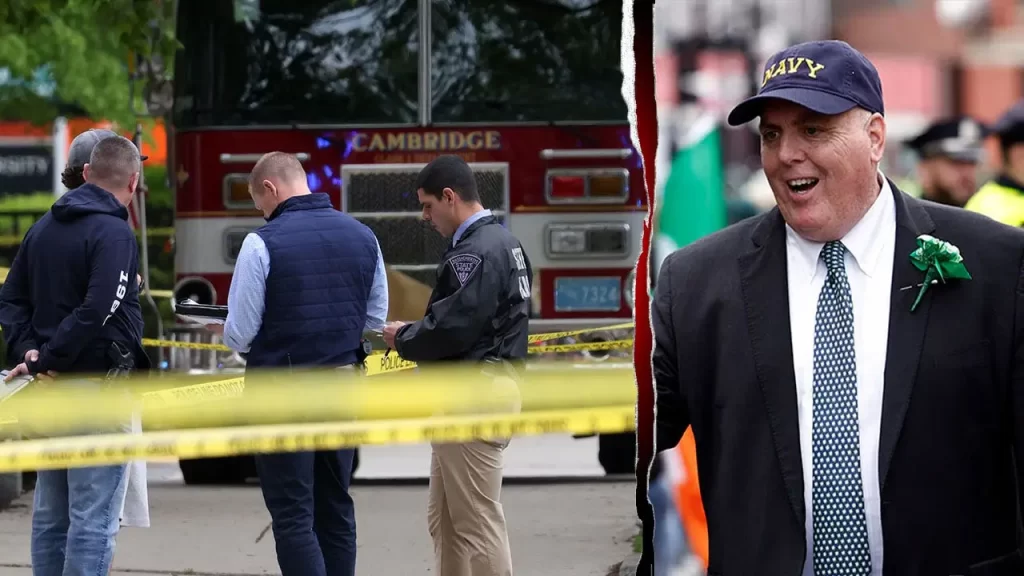

Boston Councilman Ed Flynn Slams Soft-on-Crime Policies After Cambridge Shooting
Introduction
In a city that prides itself on its rich history and vibrant culture, the recent shooting incident in Cambridge has reignited a heated debate about crime policies in Boston. Councilman Ed Flynn has emerged as a vocal critic of what he terms “soft-on-crime” measures, calling for a renewed focus on public safety and law enforcement. This article examines Flynn’s stance, the context of the recent shooting, and the implications for Boston’s crime policy moving forward.
The Incident That Sparked Controversy
On a fateful evening in Cambridge, a shooting occurred that sent shockwaves through the community. While details remain preliminary, the news stirred fears about rising gun violence and the adequacy of current policing strategies. In the wake of this event, Councilman Ed Flynn took to social media and press outlets to voice his concerns.
A Response to a Growing Problem
Flynn’s comments come amidst a troubling trend of increasing violence in urban areas, including Boston. The statistics are alarming; year-over-year comparisons show a significant uptick in shootings and violent crimes. With the Cambridge shooting as a backdrop, Flynn has called attention to the failures of lenient crime policies which he believes are influencing crime rates across the entire region.
Councilman Flynn’s Perspective on Crime Policies
Calling Out Soft-on-Crime Measures
Councilman Flynn has framed his argument around the concept of “soft-on-crime” policies. He argues that leniency towards offenders, especially those involved in violent crimes, sends the wrong message to communities and law enforcement alike. Flynn contends that when consequences for criminal behavior are not firmly enforced, it emboldens potential offenders and undermines public safety.
Public Sentiment and Safety Concerns
In a city where residents expect safety and protection, Flynn’s words resonate with many worried citizens. Increased reports of gun violence have left communities feeling vulnerable. In his speeches and social media posts, Flynn has urged for stronger law enforcement tactics and a more robust judicial system that directly addresses violent crime. His stance reflects a shared sentiment among constituents seeking action on crime reduction.
The Broader Context of Crime in Boston
Rising Crime Rates
In recent years, cities across the U.S. have grappled with increased crime rates. Boston is no exception. Detailed crime reports and statistics reveal a growing number of violent incidents, prompting residents and local leaders to examine the effectiveness of current crime-fighting strategies.
Impact of Advocacy Groups
Several advocacy groups argue for a more balanced approach to crime—one that prioritizes rehabilitation over incarceration. However, Flynn has been critical of this stance, suggesting that it often overlooks the immediate needs of affected communities seeking safety. He argues for a more comprehensive approach that respects the victims of crime while still considering the potential for rehabilitation.
Community Response and Engagement
Local Voices on Crime
Since the Cambridge shooting, the Boston community has engaged in vigorous debates surrounding safety and crime prevention. Local residents have shared their concerns at city council meetings, expressing anxiety about their neighborhoods and calling for more stringent measures. Flynn’s outspoken nature has galvanized these concerns, bringing them to the forefront of public discussions.
Crime Prevention Initiatives
In light of the rising violence, Flynn advocates for implementing more proactive crime prevention initiatives. He suggests measures like increased funding for police departments, neighborhood watch programs, and community engagement efforts that would encourage collaboration between law enforcement and local residents. Such initiatives aim to foster a sense of safety and cohesion within neighborhoods.
The Legal Framework of Crime and Punishment
A Call for Legislative Action
Flynn’s critiques extend beyond local law enforcement strategies into the realm of legislative action. He has urged lawmakers to revisit and revise existing laws that may inadvertently benefit offenders rather than victims. By advocating for stricter sentencing guidelines, especially for violent crimes, he hopes to create policies that emphasize accountability.
Balancing Justice and Safety
One of the core challenges lies in balancing justice with community safety. While Flynn emphasizes the need for stronger measures against crime, others argue for reforms aimed at reducing systemic issues that contribute to crime. This ongoing dialogue is critical for developing effective solutions that protect the community while addressing the root causes of crime.
Conclusion: The Path Forward for Boston
The recent Cambridge shooting has underscored the urgent need for a reevaluation of crime policies in Boston. Councilman Ed Flynn’s stance against soft-on-crime measures reflects the fears and frustrations of many residents who seek safety in their neighborhoods.
While Flynn champions a tougher approach to crime, the debate is far from settled. The question remains: how can Boston effectively balance the need for public safety with the principles of justice and rehabilitation? As discussions unfold, it will be critical for policymakers, community leaders, and citizens to engage in constructive dialogue to forge a path that prioritizes the safety and well-being of all residents.
As Boston moves forward, the voices of those like Councilman Flynn will play a crucial role in shaping the city’s response to crime. The future will depend on collaborative efforts that consider both effective law enforcement and the promotion of community well-being. The lessons learned from recent events will undoubtedly influence crime policy and public sentiment in the months and years to come.


