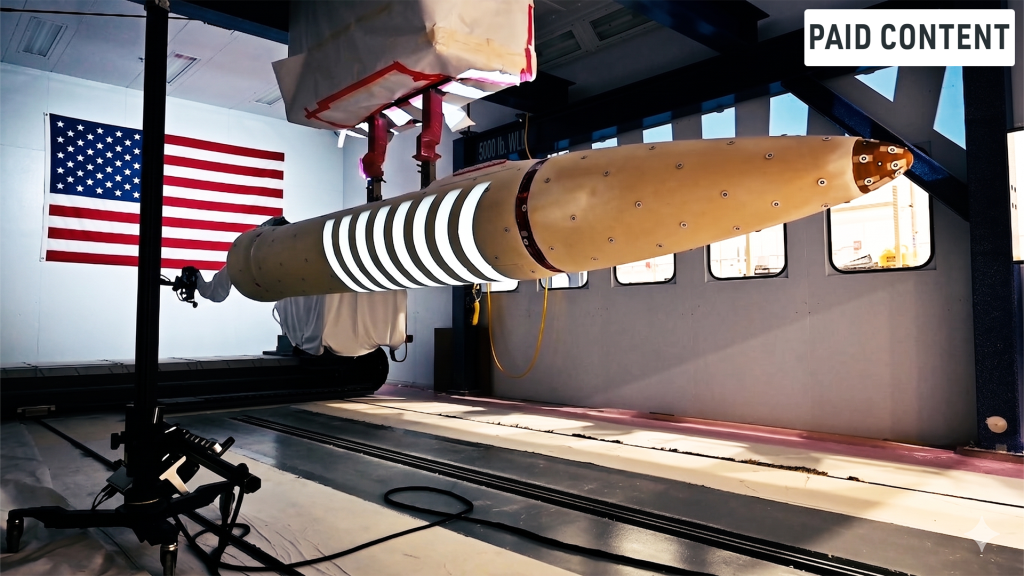

Building the Future of Missile Defense
Introduction
As the geopolitical landscape continues to evolve, the importance of missile defense systems cannot be overstated. Advances in technology, coupled with increasing threats from missile capabilities worldwide, necessitate a comprehensive approach to missile defense. This article explores the future of missile defense, examining emerging technologies, strategic partnerships, and the critical importance of innovation in safeguarding nations.
Understanding Missile Defense
What Is Missile Defense?
Missile defense comprises a range of strategies and technologies designed to detect, track, intercept, and destroy incoming missile threats before they reach their intended targets. These systems ensure national security and protect civilian infrastructure.
The Current Landscape of Missile Defense
Currently, missile defense systems like the Aegis Ballistic Missile Defense (BMD) and Terminal High Altitude Area Defense (THAAD) are in use. These systems are integral to military strategies, but as threats continue to evolve, the future of missile defense must also adapt.
Key Components of Future Missile Defense Systems
Advanced Detection Technologies
The backbone of any effective missile defense system is its detection capabilities. Future missile defense systems will leverage advanced radar systems and satellite technology for improved tracking and targeting. This includes:
- Space-Based Sensors: Placing detection systems in space can provide early warnings and track missiles in their boosting phase.
- Artificial Intelligence (AI): AI can analyze data from various sources in real-time to identify and predict threats more accurately.
Hypersonic Missile Defense
With the advent of hypersonic weapons, which travel at speeds greater than Mach 5, traditional missile defense systems are facing new challenges. Future defense strategies must include:
- Dedicated Tracking Systems: Developing sensors capable of detecting and tracking hypersonic missiles is crucial.
- Interception Technologies: Innovations in kinetic and directed energy weapons could provide the capability to neutralize hypersonic threats effectively.
Strategic Partnerships for Enhanced Defense
The future of missile defense is not solely a technological endeavor; it also relies on international cooperation.
NATO and Missile Defense
As threats become more complex, alliances like NATO have become vital. Collaborative defense initiatives allow for the sharing of technologies and intelligence, leading to more robust defense strategies.
Bilateral Defense Agreements
Countries like the U.S., Japan, and South Korea have engaged in bilateral agreements focusing on missile defense technologies. These partnerships enhance regional security and create more resilient defense networks.
Challenges Facing Missile Defense
Budget Constraints
Funding remains one of the most significant challenges facing missile defense advancements. Investing in cutting-edge technology is critical, but balancing budgets and defense needs can be a daunting task for governments.
Political and Public Perception
Public opinion can influence defense strategies and budgets. Ensuring transparency about the importance of missile defense and its role in national security is vital for garnering public support.
The Role of Innovation in Missile Defense
Research and Development (R&D)
Ongoing R&D is essential for maintaining an edge over potential missile threats. Investments in advanced materials, machine learning, and quantum computing are some areas that can significantly enhance defense capabilities.
Testing and Evaluation
Frequent testing and evaluation of missile defense systems ensure readiness and efficiency. Conducting live exercises simulating missile attacks can help refine these systems and develop new strategies.
The Impact of Cybersecurity
As technology becomes more integrated into missile defense systems, cybersecurity will play a crucial role. Protecting these systems from cyber threats is essential for maintaining their functionality and effectiveness.
Cyber Defense Strategies
Developing robust cybersecurity protocols and training personnel to recognize vulnerabilities are critical steps in safeguarding missile defense systems from cyberattacks.
The Global Arms Race and Missile Defense
The future of missile defense is also shaped by global dynamics. As nations invest in missile technology, the arms race intensifies, necessitating more advanced defensive measures.
Continuous Upgrades and Adaptation
Missile defense systems must continuously evolve to counteract the latest advancements in missile technology. This requires nations to prioritize sustained investments in their defense infrastructures.
The Future: A Multi-Layered Defense Approach
In an increasingly complex world, a multi-layered missile defense strategy will likely be the future norm. This approach incorporates various systems and technologies, allowing for interception at multiple points in a missile’s flight path:
- Boost Phase Interception: Targeting missiles shortly after launch.
- Midcourse Defense: Engaging missiles in the space segment of their trajectory.
- Terminal Defense: Protecting targets as missiles re-enter the atmosphere.
Integration with Other Defense Systems
Integrating missile defense with other military capabilities—such as air defense and cyber operations—will create a more comprehensive approach to national security.
Conclusion
Building the future of missile defense is a complex, multifaceted challenge that demands innovation, collaboration, and continuous evolution. With emerging technologies, strategic partnerships, and a commitment to global security, nations can develop missile defense systems that not only safeguard their territories but also promote a secure international environment.
Call to Action
As we look to the future, it is essential for governments, defense contractors, and research institutions to work together to advance missile defense technologies. By prioritizing innovation and collaboration, we can build a safer world in the face of evolving threats.
In crafting this SEO-optimized content, emphasis was placed on relevant keywords and headings to enhance search engine visibility, ensuring that readers seeking information on missile defense can quickly find this comprehensive resource.