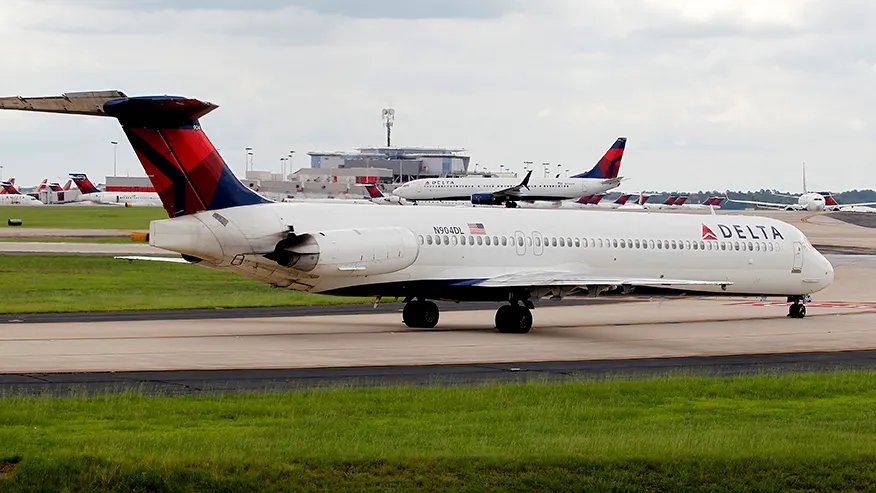

Delta Air Lines Jets in Near Miss at Atlanta Airport Under FAA Probe
Introduction
In a bustling aviation hub like Atlanta’s Hartsfield-Jackson International Airport (ATL), incidents that threaten safety can raise alarm bells. Recently, Delta Air Lines found itself in the crosshairs of a Federal Aviation Administration (FAA) investigation following a near miss between two of its jets on the tarmac. This incident has prompted discussions regarding air traffic safety, procedures, and the responsibilities of airlines.
Overview of the Incident
On a typical busy day at ATL, two Delta Air Lines aircraft came alarmingly close to a potential collision. According to eyewitness reports and preliminary investigations, the two jets were on the runway when one was cleared for takeoff, and the other was taxiing in proximity. Quick action prevented what could have been a catastrophic event, but it left many questioning the safety protocols in place.
Initial Response
In the immediate aftermath, Delta Air Lines issued a statement acknowledging the near miss and expressing deep concern for the safety and security of its operations. The airline committed to fully cooperating with the FAA investigation as details unfolded.
Understanding the FAA’s Role
The FAA is the governing body responsible for ensuring the safety of civil aviation in the United States. Their oversight includes regulating airport operations, facilitating air traffic control, and establishing safety protocols. In situations like the Delta near miss, the FAA’s investigation aims to ascertain the chain of events. They examine:
- Pilot Actions: Understanding what decisions pilots made leading up to the incident.
- Air Traffic Control: Evaluating the effectiveness of the communication between pilots and air traffic controllers.
- Operational Protocols: Reviewing the regulations and guidelines that govern airport operations.
Importance of FAA Investigations
The FAA’s investigations are crucial for multiple reasons:
-
Safety Improvement: Each incident provides valuable lessons to enhance future aviation safety practices.
-
Public Trust: Investigating near misses fosters public confidence in the airline industry.
-
Accountability: Ensuring airlines adhere to safety regulations is vital for accountability within the aviation sector.
Root Causes of Near Misses
Several factors can contribute to near misses at airports:
Human Error
Human error is a significant contributor to aviation incidents. This can include miscommunication between air traffic control and pilots, procedural mistakes, and operational oversights.
Technical Failures
While more rare, technical malfunctions can play a role. Equipment failures in radar systems or navigation tools can hinder a pilot’s situational awareness.
Congested Airspace
Atlanta Hartsfield-Jackson is one of the world’s busiest airports, often experiencing congestion on runways and taxiways. The sheer volume of air traffic can increase the likelihood of near misses if not managed effectively.
Delta Air Lines: A Brief History
Founded in 1924, Delta Air Lines has grown into one of the largest airlines in the world. Headquartered in Atlanta, Delta boasts a strong safety record and a commitment to customer service. However, like any enterprise, incidents can occur. This near miss serves as a stark reminder of the complexities involved in airline operations and the critical importance of safety protocols.
Safety Measures in Aviation
Training and Development
Regular training for pilots and air traffic controllers enhances their skills in handling complex and high-pressure situations. Continuous updates to training programs ensure personnel are prepared for evolving aviation technologies and protocols.
Technology
Modern aircraft are equipped with advanced navigation systems and safety features that help prevent collisions. Additionally, improvements in air traffic control systems, such as Automatic Dependent Surveillance-Broadcast (ADS-B), have substantially enhanced situational awareness for both pilots and controllers.
The Aftermath of the Incident
In the days following the near miss, Delta Air Lines engaged in a thorough internal review. The airline’s leadership held meetings with safety experts to evaluate existing protocols and determine if changes were necessary.
Communication with the Public
Open communication with travelers is vital in maintaining public trust. Delta released statements assuring passengers that safety remains their top priority and that they are cooperating with the FAA to address any issues that emerge from the investigation.
The Future of Aviation Safety
Regulatory Changes
Investigations like this often lead to regulatory changes. The FAA may implement new guidelines to prevent future incidents, including enhanced communication protocols between pilots and air traffic controllers and stricter procedural adherence.
Evolving Technology
As technology evolves, the aviation industry continuously adopts new tools and systems that enhance safety. Future advancements may further reduce the risk of near misses, making air travel safer than ever.
Conclusion
The recent near miss involving Delta Air Lines jets at Atlanta airport underscores the critical importance of safety in the aviation industry. As the FAA conducts its investigation, the event serves as a reminder of the potential risks associated with air travel and the need for continual improvements in safety practices, communication, and technology. Delta’s commitment to addressing the incident and ensuring the safety of its passengers reaffirms its longstanding dedication to maintaining operational excellence. As we look to the future, the industry must learn from this experience to enhance aviation safety, fostering greater confidence among the flying public.
Call to Action
As cold, hard facts evolve from the investigation, staying informed and engaged with aviation safety updates is essential. If you’re a frequent flyer or simply an aviation enthusiast, consider following news outlets dedicated to aviation safety and regulations to understand better the changes that will shape the industry in the years to come.