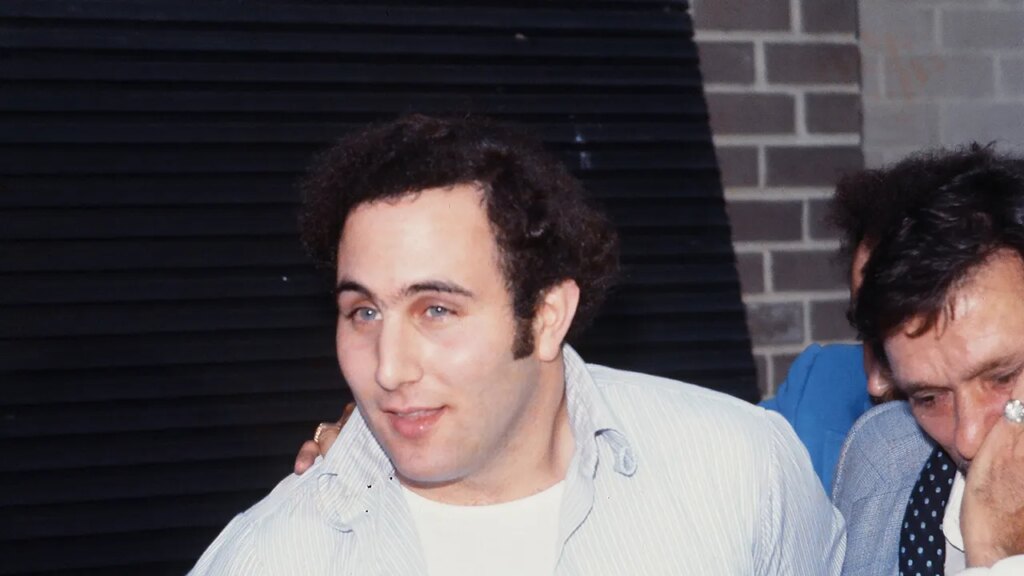

Son of Sam: David Berkowitz Reflects on Media Distrust 50 Years Later
Introduction
David Berkowitz, infamously known as the “Son of Sam,” has loomed large in American criminal history. As the perpetrator of a series of shootings in New York City from 1976 to 1977, Berkowitz instilled fear in the hearts of many. Now, fifty years later, he has made headlines again, this time expressing a profound distrust of the media. In this article, we’ll explore Berkowitz’s journey, the impact of media on public perception, and what his statements reveal about societal views on crime and justice.
The Infamous Crimes of David Berkowitz
A City in Fear
From July 1976 to April 1977, Berkowitz terrorized New Yorkers, committing a series of shootings that led to six deaths and several injuries. Characterized by his taunting letters to the police and the media, he became a sensational figure. The moniker “Son of Sam” was coined from one such letter, where he claimed his neighbor’s dog had commanded him to kill. This sensationalism marked the beginning of a complex relationship between Berkowitz and the media.
Arrest and Conviction
Berkowitz was arrested in August 1977, revealing a shocking narrative that sent ripples through America. He was ultimately diagnosed with severe mental health issues and sentenced to 25 years to life in prison. The case not only captured the attention of law enforcement but also the public, leading to heightened fears and anxieties regarding urban crime.
Berkowitz and the Media
A Double-Edged Sword
In his reflections decades later, Berkowitz has voiced disillusionment with media portrayals. Initially, the media played a significant role in spreading his notoriety, which he now recognizes as creating a troublesome cycle of fame around violence. The sensationalized coverage of the Son of Sam case transformed Berkowitz into a villain, ultimately impacting how he viewed himself and his actions.
Misrepresentation and Public Perception
Berkowitz argues that the media often misrepresented his mental state and motivations. He contends that this sensational portrayal shaped public perception; instead of understanding him as a troubled individual, the narrative painted him as an archetypal monster. This misrepresentation rippled out, affecting not only public opinion but also societal responses to mental health issues.
Reflections on Trust and Distrust
The Evolution of Media Trust
Fifty years post-crime, Berkowitz asserts that he no longer trusts the media. This perspective aligns with a broader societal trend; many Americans express skepticism about media integrity. The evolution of news cycles, particularly in the digital age, has led to a rise in misinformation and sensationalism. Berkowitz’s experience, while unique, mirrors this growing unease.
The Impact of Digital Media
The advent of social media has compounded issues related to misinformation. Berkowitz’s experience underscores how narratives can be distorted in a climate where clicks and views often take precedence over accuracy. His distrust serves as a cautionary tale regarding the consequences of sensational informational landscapes.
Societal Implications
Raising Questions About Crime Reporting
Berkowitz’s distrust highlights critical questions about journalism and crime reporting. How do media portrayals shape societal understanding of crime? Do sensationalized narratives hinder the pursuit of justice? Berkowitz encourages a reflective lens: one that examines ethical responsibilities within journalism, particularly in high-stakes cases.
Mental Health Awareness
Berkowitz’s struggle with mental health has been largely overshadowed by the crimes he committed. His reflections didn’t just express distrust but also emphasized the urgent need for awareness about mental health. The media can play a pivotal role in shaping public perception and policy on mental health issues, which are often intertwined with criminal behavior.
Lessons Learned
Moving Past Sensationalism
Berkowitz’s statements implore both media creators and consumers to move past sensationalism. They serve as a reminder that real lives are affected by the stories told in the headlines. For journalists, understanding the ramifications of their narratives can lead to more responsible reporting and deeper examination of the human condition behind criminal behavior.
The Crucial Role of Ethics in Journalism
Berkowitz’s story underscores the need for ethical journalism—a commitment to truth, fairness, and societal responsibility. As media landscapes continue to evolve, the imperative grows for reporters to balance storytelling with sensitivity, ensuring that the narratives they promote contribute to a more nuanced dialogue about crime and justice.
Conclusion
As David Berkowitz comments on his distrust of the media fifty years later, we glean insights not just into his singular experience, but also into broader societal themes regarding trust, crime, and mental health. The intersection of these issues creates a complex web that calls for careful consideration from both media professionals and audiences. In a world increasingly shaped by sensational narratives, Berkowitz’s reflections act as a poignant reminder of the power and responsibility inherent in the stories we tell.
By fostering conversations about ethics, responsibility, and mental health, we can pave the way for more accurate representations of crime and its implications, highlighting the importance of trust within the media landscape. As Berkowitz moves forward from a past filled with horror, his insights may help chart a new course for understanding crime and the narratives that surround it.