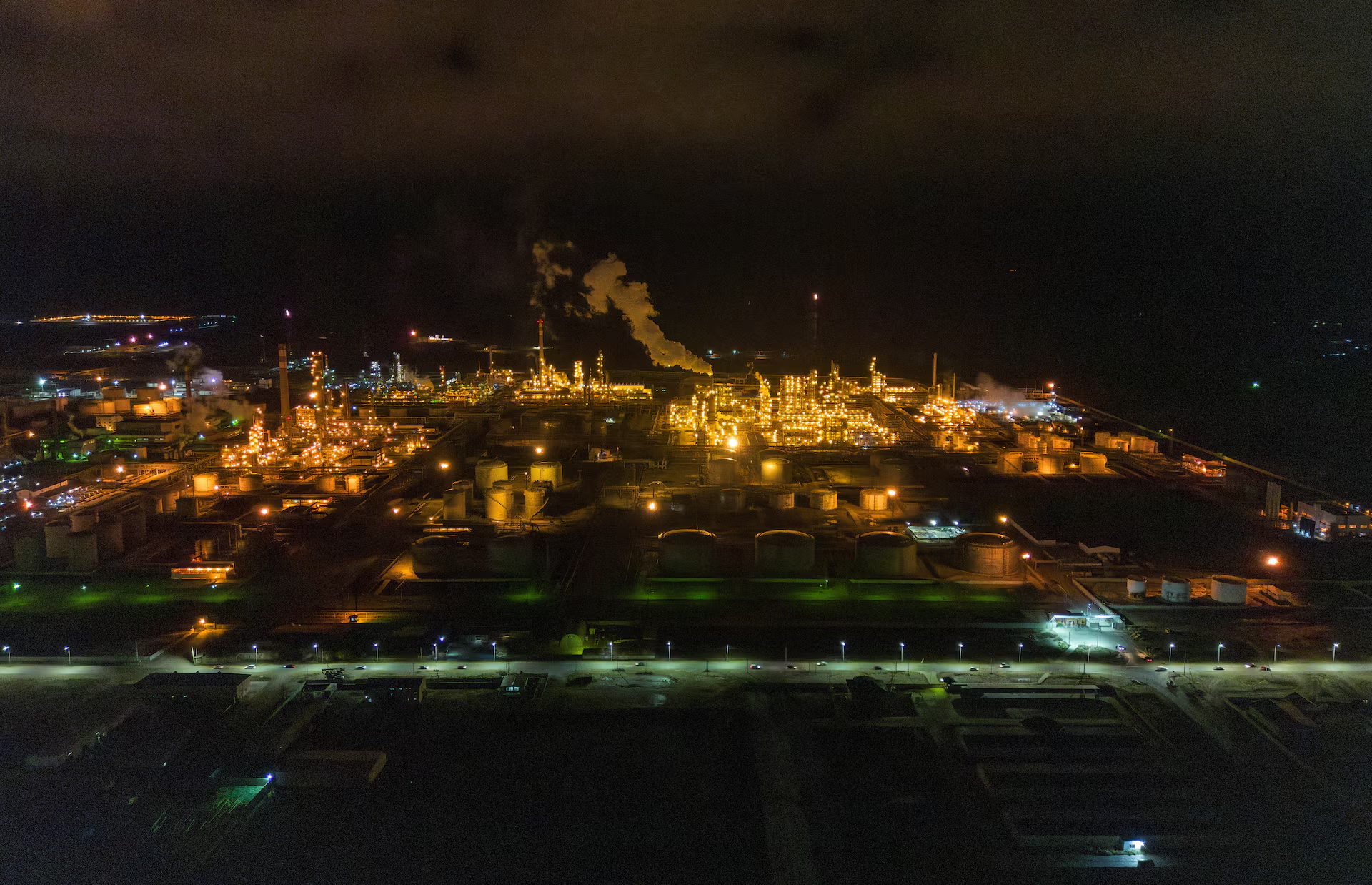

Black Sea Oil Tankers in 2026 Face Severe Security Risk
In 2026, the geopolitical landscape surrounding the Black Sea has transformed significantly, presenting new and severe security risks for oil tankers operating in the region. The Black Sea, bordered by six countries—Turkey, Bulgaria, Romania, Ukraine, Russia, and Georgia—has historically been a strategic maritime route for energy transport. However, ongoing tensions among these nations have escalated, creating a volatile environment for shipping operations.
One major factor contributing to the heightened security risks is the enduring conflict between Ukraine and Russia. Since the annexation of Crimea in 2014 and the ongoing war that erupted in 2022, the region has seen a significant militarization. Increased naval patrols, mine-laying activities, and intermittent skirmishes between military vessels pose legitimate threats to commercial shipping. Oil tankers navigating these waters must now contend not only with natural maritime hazards but also with the potential for confrontations or blockades.
The rise in piracy and non-state actors further complicates this landscape. As local populations grapple with economic instability fueled by war and crises, some factions may resort to illegal activities, including hijacking vessels or stealing cargo. The lack of effective coast guard services in some areas exacerbates the risks faced by oil tankers, leaving them vulnerable to opportunistic attacks.
Moreover, the environmental implications of operations in a heightened security risk zone cannot be ignored. A potential oil spill from a tanker engaged in a conflict could lead to disastrous ecological consequences for the diverse marine life inhabiting the Black Sea. This puts not only the shipping companies at risk but also the countries bordering the sea, which rely on its resources and tourism.
In response to these growing threats, oil companies are investing in advanced security measures. These include implementing real-time tracking systems, employing armed security personnel onboard, and collaborating with international maritime organizations to establish safe corridors. Additionally, many shipping companies are reevaluating their routes and considering alternative passageways, which could involve longer transit times and increased costs.
As global oil demand continues to fluctuate, and the dynamics of energy politics evolve, the safety of oil tankers in the Black Sea remains a critical issue. The interplay between national interests, security measures, and economic imperatives will shape the future of maritime operations in this region. Failure to adequately address these security risks may lead to a significant escalation of conflicts, with far-reaching implications for global energy markets and geopolitical stability. In 2026, the challenges are not just operational; they are a litmus test for international diplomacy in a fraught and ever-changing landscape.
For more details and the full reference, visit the source link below:
Read the complete article here: https://brusselsmorning.com/black-sea-oil-tankers-2026/90665/