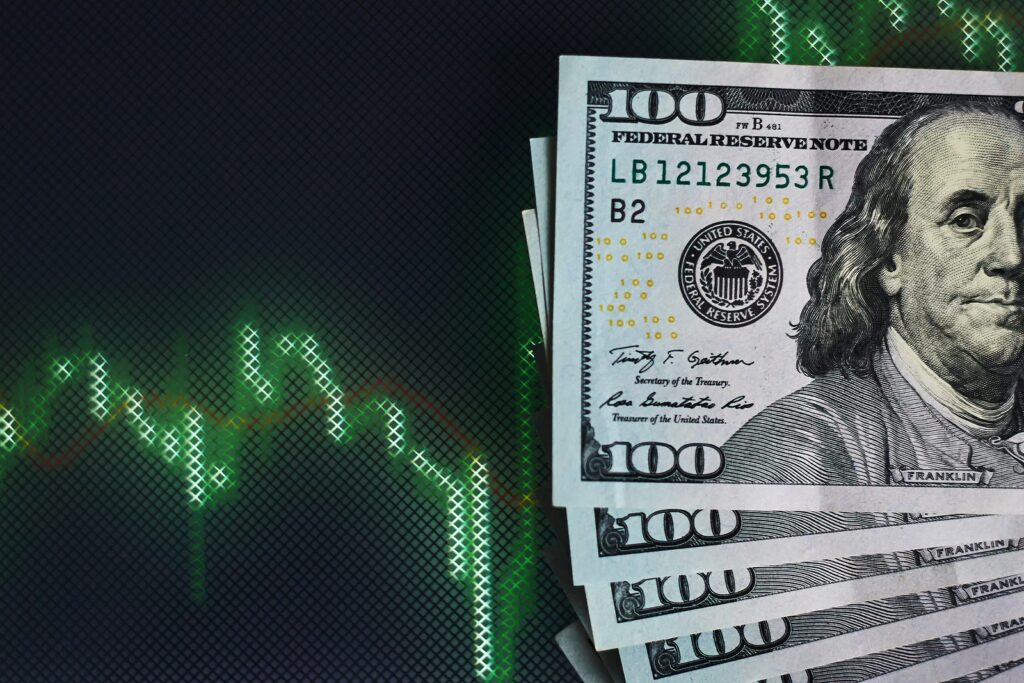

The interplay between the U.S. dollar index (DXY) and geopolitical tensions, particularly concerning Iran, presents a complex narrative in global finance. The DXY measures the dollar’s strength against a basket of major currencies, and fluctuations in its value can reflect broader economic sentiments, influenced significantly by geopolitical developments.
As tensions rise between the U.S. and Iran, particularly concerning nuclear policies and regional influence, one might question whether such conflicts could lead to a weakening of the dollar. The idea is that if the U.S. engages in military action or extends sanctions against Iran, it could strain its financial position. Increased military spending often accompanies such conflicts, which can lead to higher deficits and potential inflationary pressures, ultimately eroding the dollar’s value.
Moreover, Iran’s strategic move toward strengthening its economic ties with countries such as China and Russia poses another potential threat to the dollar’s dominance. In recent years, Iran has sought to trade oil in currencies other than the dollar, which could undermine its status as the world’s primary reserve currency. If such shifts gain traction, they could create a ripple effect that diminishes U.S. economic power and leads to a decline in the DXY.
Investor sentiment is crucial in this dynamic. A move toward conflict often leads to a “flight to safety,” where investors flock to U.S. assets, typically bolstering the dollar’s value temporarily. However, if the situation escalates, leading to broader unrest in the Middle East or affecting oil supplies, the consequences could be detrimental to the dollar’s strength. Oil prices might spike, adversely impacting global economic growth and threatening the dollar’s buying power.
Additionally, the Federal Reserve’s monetary policy plays a significant role. If uncertainty surrounding the Iran conflict leads to economic slowdown, the Fed might opt for more accommodative policies, such as lowering interest rates. Such measures could further devalue the dollar, drawing the DXY down and increasing inflation expectations.
In conclusion, the DXY and potential conflict with Iran present a critical juncture for the U.S. dollar. While immediate reactions to geopolitical tensions often see a bolstering of the dollar, the long-term implications of sustained conflict, changes in trade dynamics, and U.S. monetary policy can precipitate a breakdown. Investors and policymakers must vigilantly assess these interconnected factors, understanding that the fate of the dollar rests not only on domestic economic indicators but also on the ever-shifting landscape of international relations.
For more details and the full reference, visit the source link below:
Read the complete article here: https://www.stl.news/dxy-vs-iran-war-is-the-us-dollar-breaking-down/