
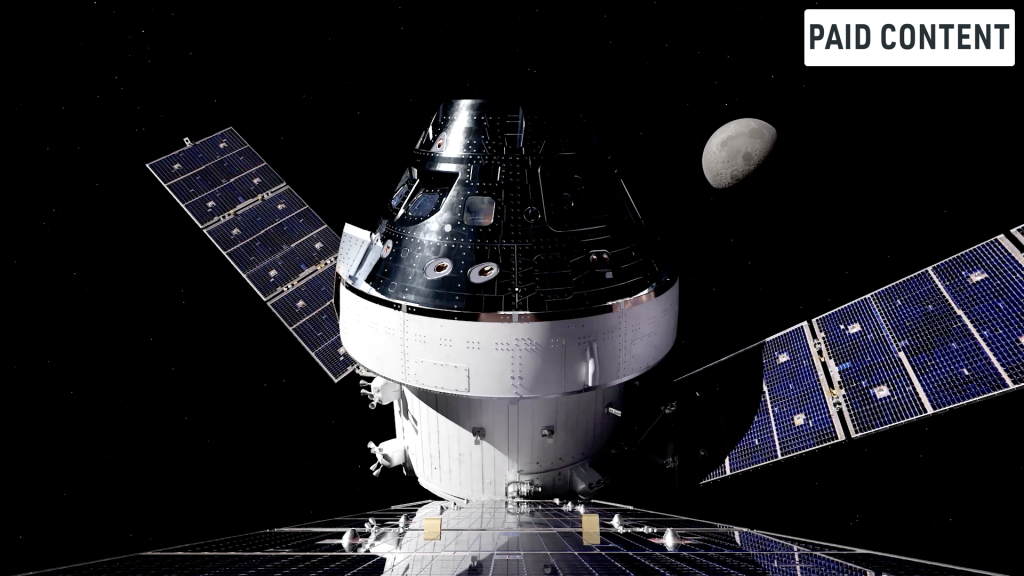

Engineering the Path from the Moon to Mars
The journey from the Moon to Mars is a significant leap in humanity’s quest for exploration and understanding of the universe. This article delves into the engineering challenges and advancements that pave the way for this ambitious endeavor, underscoring the strategic importance of lunar missions as a stepping stone towards Martian exploration.
The Vision for Interplanetary Exploration
In recent years, space agencies like NASA, ESA, and private companies such as SpaceX have set their sights firmly on Mars. The Moon serves as an invaluable training ground for technology and mission architecture that will be instrumental for human missions to Mars. The vision to create a sustainable human presence on both celestial bodies not only fosters scientific curiosity but also has the potential to benefit life back on Earth.
The Role of the Moon: A Stepping Stone to Mars
1. Lunar Base Development
Developing a sustainable lunar base is crucial for long-term space missions. A Moon base can serve as a launch point for Mars missions, enabling astronauts to test technologies, conduct research, and practice survival skills in a low-gravity environment. Advanced habitats and research modules are being engineered to withstand the harsh lunar environment.
2. Resource Utilization
Utilizing local resources, also known as in-situ resource utilization (ISRU), is essential for reducing the cost and complexity of space missions. Engineers are working on technologies to extract water from lunar ice, generate oxygen, and produce fuel from lunar regolith. These resources will be vital for supporting human life and refueling rockets bound for Mars.
Engineering Challenges of Space Travel
The engineering challenges posed by a journey from the Moon to Mars are multi-faceted and complex. Addressing these challenges requires innovative solutions, rigorous testing, and collaboration among various engineering fields.
1. Life Support Systems
Sustaining human life in space for extended periods poses significant challenges. Engineers must develop reliable life support systems capable of recycling air and water, managing waste, and maintaining habitable environments. Advancements in biotechnology and materials science are driving innovations in life support systems that can operate efficiently in isolated and resource-limited environments.
2. Transportation Infrastructure
Traveling from the Moon to Mars demands high-performance transportation systems. The design of rockets and spacecraft must account for deep-space radiation, gravitational forces, and operational reliability. Advanced propulsion technologies, such as ion thrusters and nuclear thermal rockets, are being researched to minimize travel time and enhance efficiency.
3. Radiation Protection
Deep-space radiation presents a significant hazard to astronauts. Engineers are investigating various shielding materials and techniques to protect future Mars travelers from cosmic radiation. Effective radiation protection strategies are vital for ensuring the safety and health of astronauts on long-duration missions.
Innovations Driving Progress
1. Advanced Robotics
Robotic systems play a pivotal role in both lunar and Martian exploration. Engineers are developing autonomous machines capable of constructing habitats, conducting scientific research, and performing maintenance tasks on both the Moon and Mars. Drones and rovers equipped with AI can facilitate exploration efforts, providing valuable data while reducing risks to human astronauts.
2. 3D Printing Technologies
3D printing holds the potential to revolutionize how we build structures in space. Engineers are exploring the use of in-situ materials for 3D printing habitats on the Moon and Mars, minimizing the need to transport heavy materials from Earth. This technology could lead to the efficient and rapid construction of necessary infrastructure.
3. Artificial Intelligence and Machine Learning
AI and machine learning algorithms can optimize mission planning, robotics, and even scientific data analysis. Engineers are integrating these technologies into space missions to improve decision-making, enhance operational efficiency, and analyze vast amounts of data collected during exploration.
Collaborative Efforts in Engineering
1. International Partnerships
Space exploration is becoming an increasingly collaborative effort. Countries around the world are pooling resources and expertise to tackle the engineering challenges associated with traveling to Mars. International partnerships are fostering innovation, sharing knowledge, and increasing the robustness of missions.
2. Commercial Partnerships
Private companies are playing a significant role in the engineering landscape of space exploration. Collaborations between space agencies and commercial enterprises facilitate the development of affordable launch systems, innovative technologies, and rapid prototyping. This broadens the scope of who can participate in space exploration.
The Importance of Public Engagement
The success of space missions greatly depends on public interest and support. Engineers and scientists must advocate for public engagement by showcasing the benefits of space exploration, explaining its relevance to everyday life, and inspiring the next generation to pursue careers in STEM (science, technology, engineering, and mathematics).
1. Educational Programs
Programs that promote STEM education and public engagement are crucial to preparing future generations for careers in space exploration. Engineers and scientists can participate in educational outreach initiatives, bringing awareness to the importance of engineering in venturing into deep space.
2. Transparency and Communication
Clear and transparent communication about the goals, challenges, and successes of lunar and Martian missions can help foster public interest. Using social media, public forums, and educational platforms, professionals can demystify space exploration, making it accessible and exciting.
Conclusion: A Bold Future for Space Exploration
Engineering the path from the Moon to Mars is an ambitious undertaking that combines innovative technologies, rigorous research, and international collaboration. As we progress toward establishing a permanent human presence on both celestial bodies, the challenges we face serve as catalysts for advancements in engineering, science, and technology.
By leveraging the resources, knowledge, and collaborations developed through lunar exploration, we inch closer to realizing the dream of interplanetary travel. While challenges remain daunting, the spirit of exploration continues to drive humanity to reach for the stars. The engineering advancements developed today will not only help us reach Mars but will also shape the future of life beyond our home planet.

