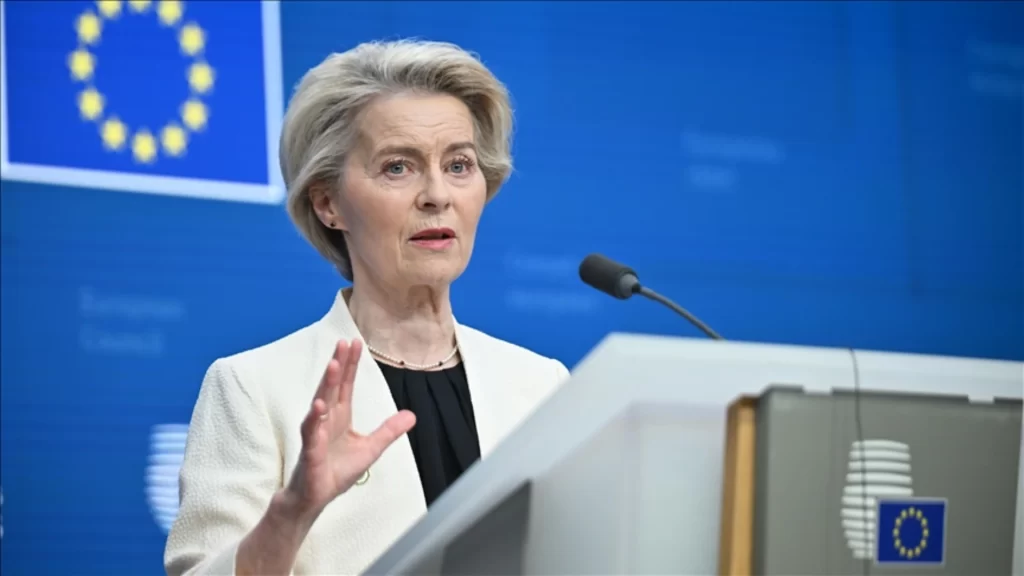

The European Union (EU) has reaffirmed its commitment to supporting Greenland amid escalating geopolitical tensions in the Arctic region. As climate change transforms the Arctic landscape, opening new shipping routes and revealing untapped natural resources, global powers are increasingly vying for influence in this strategic area. In this context, Greenland, an autonomous territory of Denmark, finds itself at the epicenter of a geopolitical rivalry that includes nations such as Russia, the United States, and China.
Historically, Greenland has been a focal point of interest for various powers due to its vast natural resources, including rare earth minerals and potential oil reserves. With the Arctic ice melting at unprecedented rates, the region is transitioning from a remote wilderness to a commercial frontier. The EU’s renewed focus on Greenland comes as part of a broader strategy to ensure stability and peace in the Arctic, with an emphasis on environmental protection and sustainable development.
The EU recognizes the importance of Greenland not only for its resources but also as a partner in addressing climate change. The territory is home to crucial ecosystems that serve as indicators of the changing climate. By strengthening ties with Greenland, the EU aims to promote collaborative efforts in climate research and conservation initiatives, all while fostering local economies.
Moreover, the EU’s involvement is a response to increasing competition from external powers. Russia has ramped up military activities in the Arctic, establishing military bases and conducting exercises in the area. Meanwhile, China has expressed keen interest in investing in Greenland’s infrastructure, viewing it as part of its broader Belt and Road Initiative. These developments have raised concerns in Brussels about the potential implications for EU security and stability.
To counter these geopolitical shifts, the EU has committed to providing financial and technical support to Greenland. This includes investment in sustainable practices, renewable energy projects, and the enhancement of local governance. Such partnerships are designed not only to bolster Greenland’s resilience against external pressures but also to solidify the EU’s presence and influence in the region.
As tensions escalate, the EU’s support for Greenland can also be viewed as a strategic maneuver to foster unity among member states and reinforce collective security. The Arctic is becoming increasingly vital to global trade routes, and ensuring a stable, cooperative environment is in the best interest of the EU and its allies.
In conclusion, the EU’s vow to support Greenland amidst geopolitical tensions reflects a multidimensional approach focused on security, sustainability, and cooperation. As the Arctic evolves, Greenland’s role becomes increasingly pivotal, and the EU aims to ensure that it is a partner in shaping the future of this strategically significant region.
For more details and the full reference, visit the source link below: