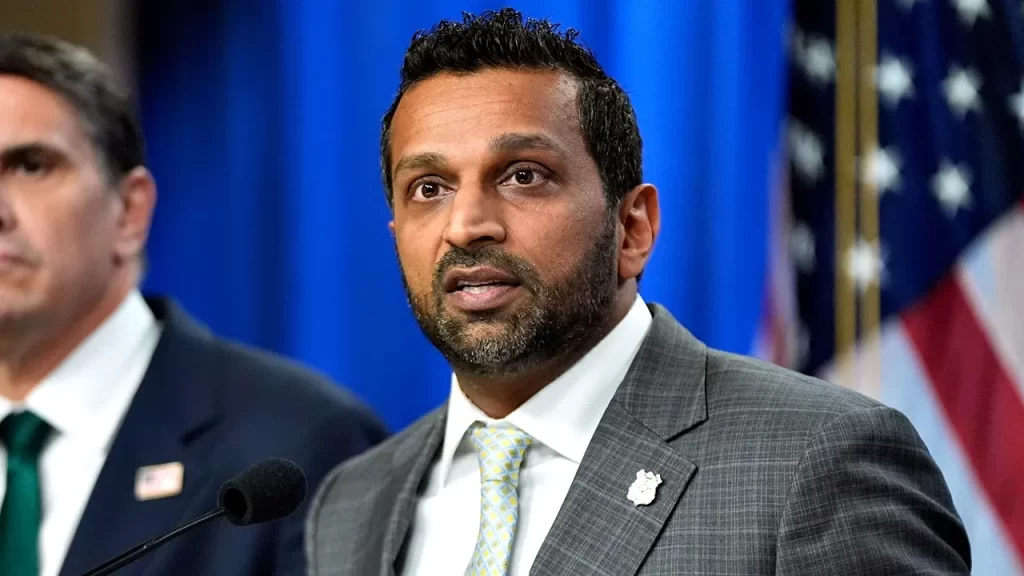

FBI Director Kash Patel: Agency Sidelined in Nancy Guthrie Case
Introduction
In a recent turn of events, FBI Director Kash Patel has made headlines by stating that the agency was sidelined in the high-profile Nancy Guthrie case. This revelation has sparked widespread discussion about the implications for law enforcement and judicial processes in the United States. In this article, we delve into the details of Patel’s claims, examine the impact on the investigation, and explore the broader ramifications for the FBI and its role in similar cases.
Background on the Nancy Guthrie Case
The Nancy Guthrie case revolves around a tragic incident that garnered significant media attention. Guthrie, a resident of a small town, disappeared under mysterious circumstances, leading to a massive investigation by local and federal law enforcement agencies. As the case unfolded, various theories and leads were explored, but no conclusive evidence was found to solve the mystery surrounding her disappearance.
Kash Patel’s Statement: A Closer Look
Kash Patel, who has been a prominent figure in the FBI’s leadership, publicly stated that the agency was “sidelined” during the course of the investigation into Nancy Guthrie’s disappearance. This remark raises important questions about the coordination between federal and local authorities and the allocation of resources during high-stakes investigations.
The Importance of FBI Involvement
The FBI, with its extensive resources and investigative tools, plays a crucial role in solving complex cases. When local law enforcement agencies face limitations, the involvement of the FBI can often be the difference between a successful resolution and a case that remains unsolved. Patel’s assertion underlines the necessity of collaboration and unity among law enforcement agencies to ensure justice is served.
Implications of Being Sidelined
Impact on Investigation Progress
One of the most significant implications of the FBI’s sidelining is the potential slowdown in investigative progress. The agency provides advanced forensic analysis, access to national databases, and the expertise of specialized agents trained for complex cases. When these resources are not utilized, it could hinder the chances of obtaining vital evidence or leads that could crack the case.
Public Trust in Law Enforcement
The revelation that the FBI was marginalized reflects on public trust in law enforcement. When agencies fail to coordinate effectively, it breeds skepticism among the public regarding the competency of local law enforcement. In high-profile cases like Nancy Guthrie’s, the public’s expectation for a swift and thorough investigation is heightened, making any perceived deficiencies more pronounced.
The Need for Enhanced Cooperation
Recommendations for Future Cases
Patel’s comments signal the need for enhanced cooperation between local police departments and federal agencies like the FBI. Some recommendations for improving collaboration include:
-
Joint Task Forces: Establishing joint task forces that include FBI agents and local officers can increase resource sharing and streamline communication.
-
Regular Coordination Meetings: Scheduling regular meetings between local police and federal agents can improve information sharing and ensure that all parties are on the same page regarding ongoing investigations.
-
Training Programs: Creating training programs that emphasize inter-agency collaboration can help build understanding and mutual respect among law enforcement personnel.
The Role of Technology in Collaboration
In today’s digital age, technology plays a critical role in enabling collaboration. Sharing data through secure platforms and utilizing online investigative tools can facilitate more effective communication between agencies, potentially leading to faster resolutions in cases that involve multiple jurisdictions.
Broader Ramifications for the FBI
Scrutiny on Decision-Making Processes
Kash Patel’s comments will likely put the FBI under increased scrutiny regarding its decision-making processes in high-profile cases. The agency may face pressure to rethink its operational strategies and develop protocols that ensure better cooperation with local agencies.
Enhancing FBI’s Public Image
As the FBI strives to maintain its reputation as a capable and efficient agency, addressing the concerns raised by Patel’s remarks may also be essential for its public image. Establishing a transparent framework for collaboration and openly communicating efforts to work with others can help rebuild public trust and confidence.
Conclusion
Kash Patel’s assertion that the FBI was sidelined in the Nancy Guthrie case raises pressing questions about inter-agency cooperation. The ramifications of unauthorized sidelining can hinder investigative processes and erode public confidence in law enforcement. Moving forward, enhancing collaboration, integrating technology into operations, and being transparent about inter-agency engagements are crucial for not only solving cases like Guthrie’s but also for restoring trust in the wider law enforcement apparatus.
In a world where cases of public concern often demand swift action and resolution, it is imperative that agencies like the FBI do not find themselves sidelined. Improving cooperation and ensuring that no agency is left out of critical investigations will remain essential to promoting justice and maintaining public faith in the systems designed to protect society. As this situation evolves, all eyes will be on the FBI and its response to these pressing challenges.