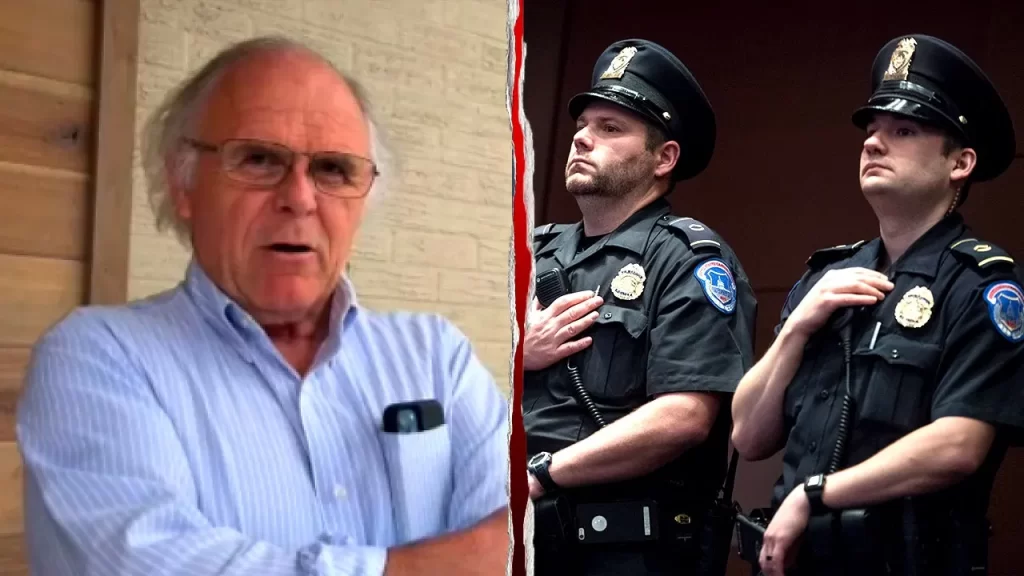

Georgia Mayor Dissolves Police Department After Officers’ Facebook Posts
Introduction
In a striking move that has captured national attention, a mayor in Georgia has dissolved the local police department following controversial posts made by several officers on social media. This incident represents a significant turning point in community relations, police accountability, and social media’s role in law enforcement. In this article, we explore the background of the situation, its implications, and the broader context of police reform in the United States.
Background of the Incident
The controversy began when officers from the local police department made inflammatory posts on Facebook that were deemed racially insensitive and unprofessional. These posts did not merely reflect poor judgment but ignited strong reactions from community members and civil rights activists. In a bid to restore trust and accountability, the mayor made the unprecedented decision to disband the police department entirely. This decision has far-reaching implications, not only for the city involved but also for the future of policing nationwide.
Social Media’s Role in Law Enforcement
Social media plays a double-edged role in contemporary policing. On one hand, it can enhance community relations by allowing departments to share information and engage with residents. On the other hand, it poses risks when officers use these platforms to express views that may contradict departmental values, ethical standards, or community expectations. In this case, the problematic posts from officers highlighted the urgent need for social media training, guidelines, and monitoring within police departments.
The Importance of Training and Guidelines
To mitigate risks associated with social media misuse, law enforcement agencies must establish comprehensive training programs. These should focus on appropriate online behavior, ethical guidelines, and the potential consequences of personal expressions that may reflect poorly on the department.
Community Reactions
The dissolution of the police department has ignited mixed reactions from the community. Residents who had grown frustrated with police misconduct and a lack of accountability voiced their support for the mayor’s decision. Conversely, supporters of the police department expressed concern and dismay, viewing the move as an extreme reaction that could lead to a breakdown of law enforcement in the area.
Support for Reform
Many community leaders and activists argue that this situation underscores systemic issues in law enforcement that require urgent reform. Calls for transparency, accountability, and community-oriented policing have intensified, urging municipalities to evaluate their police practices.
Concerns About Public Safety
On the flip side, concerns over public safety have emerged. With the dissolution of the police department, questions loom about how law enforcement will be maintained. Many residents wonder who will respond to emergencies and uphold the law in the absence of a dedicated police force. The mayor’s decision has led to a conversation about alternative forms of public safety, including the potential for community-led initiatives and partnerships with neighboring jurisdictions.
Legal and Operational Considerations
Disbanding a police department is not a decision taken lightly. There are various legal, operational, and financial considerations that come into play. The mayor must navigate the intricacies of how to transition to a new form of policing or community safety without leaving a vacuum that could lead to increased crime rates.
Transitioning to New Structures
To effectively transition out of a disbanded police force, the mayor’s office may explore options such as hiring a new police chief, establishing a new police department, or fostering relationships with state and county law enforcement agencies. Additionally, community input will be crucial in shaping the approach to policing in the future.
The Bigger Picture: Police Reform in America
This incident is part of a larger narrative surrounding police reform in the United States. The Black Lives Matter movement, sparked by high-profile cases of police brutality, has brought national attention to the need for systemic change in law enforcement. This incident in Georgia echoes similar sentiments echoed throughout the country, where communities are demanding accountability, justice, and reform.
Popular Reform Initiatives
Key reform initiatives that have gained traction in various municipalities include:
-
Community Policing: Focusing on building partnerships between police and community members to foster mutual trust.
-
Use of Body Cameras: Increasing transparency through the mandatory use of body cameras by officers during interactions with the public.
-
De-escalation Training: Ensuring that officers are trained to handle situations without resorting to force whenever possible.
-
Mental Health Support: Incorporating mental health professionals into police responses to better address crises that may not require law enforcement intervention.
Conclusion
The decision by the Georgia mayor to dissolve the local police department is a potent reminder of the evolving landscape of law enforcement in America. As communities grapple with issues of trust, equity, and accountability, the incident highlights the critical role of social media in shaping perceptions and sparking dialogue about the efficacy of policing practices.
Moving forward, it is essential for leadership at all levels to engage with community members, listen to their concerns, and prioritize transparency. The challenge lies in not only dismantling ineffective or harmful structures but also ensuring that new systems of safety and accountability are rooted in community participation and ethical standards.
In a time when law enforcement is under intense scrutiny, this incident serves as a case study for municipalities across the nation as they explore ways to implement meaningful police reform rooted in social justice and community trust. The path forward may be complicated, but it is indispensable for a future where public safety serves all constituents equitably.