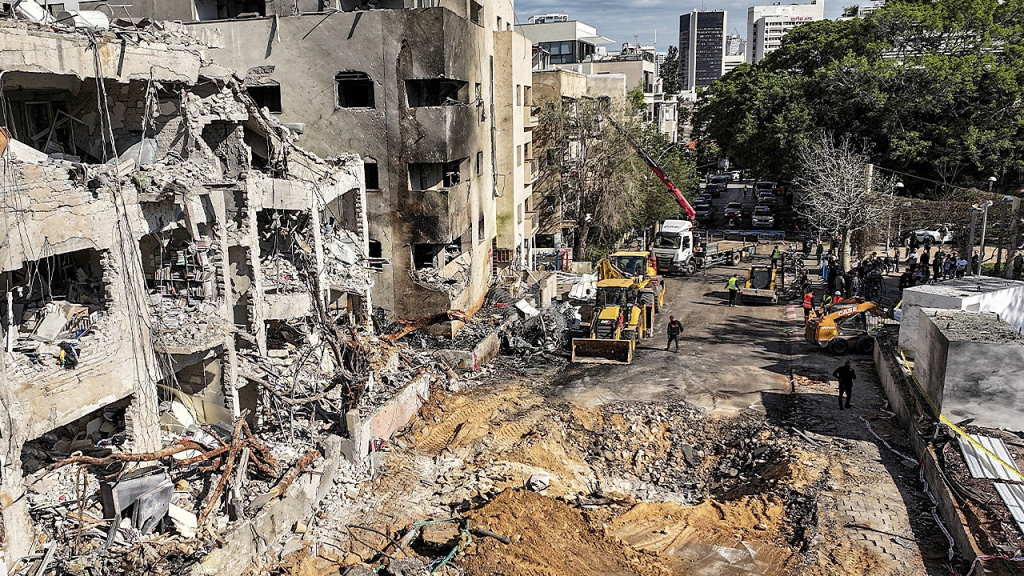

Hezbollah, the Lebanese militant group, has been a significant player in the ongoing tensions in the Middle East, particularly regarding its relationship with Iran and its conflicts with Israel. Recently, there has been an alarming escalation in hostilities, characterized by coordinated cluster bomb attacks launched by Hezbollah on Israeli territory. This marks a severe uptick in military actions and poses significant implications for regional stability.
The use of cluster munitions, which are designed to scatter submunitions over a wide area, raises considerable concerns due to their potential to cause civilian casualties and long-lasting environmental damage. International laws tightly regulate the use of such weapons, and their deployment by non-state actors like Hezbollah highlights a shift in military strategy that could lead to more intense retaliatory measures from Israel.
In a statement, Hezbollah’s leadership claimed that these attacks were a “response to ongoing aggression” from Israel, asserting that their military actions are justified in the face of what they perceive as existential threats. Iran, as Hezbollah’s principal backer, has reportedly increased its support for the group, supplying advanced weaponry and military training. This relationship adds another layer of complexity to the situation, as it intertwines local conflicts with broader geopolitical rivalries involving Tehran and its adversaries.
On the other side, Israel has heightened its military readiness in response to these provocations. The Israeli Defense Forces (IDF) have issued warnings about a potential escalation and have conducted airstrikes targeting Hezbollah positions in southern Lebanon. The IDF aims to deter further attacks and ensure the protection of its citizens while emphasizing its right to defend itself against any threats.
In addition to military developments, diplomatic efforts in the region have faced significant challenges. Countries in the Arab world, traditionally wary of Iran’s influence, are grappling with the implications of Hezbollah’s actions and the potential for a broader conflict. The involvement of regional and global powers complicates the situation further, as countries such as the United States and Russia maintain differing stances on the conflict.
As the situation unfolds, various other major news highlights emerge, ranging from developments in global economy to shifts in critical environmental policies. The interplay between these global events and the conflict in the Middle East could create ripple effects that may influence international relations and stability.
In summary, the coordinated cluster bomb attacks by Hezbollah on Israel underscore the escalating tensions in the region and illustrate the broader implications of Iran’s support for militant groups. The complexity of the situation demands careful attention, as developments could have profound consequences for both regional and global security.
For more details and the full reference, visit the source link below: