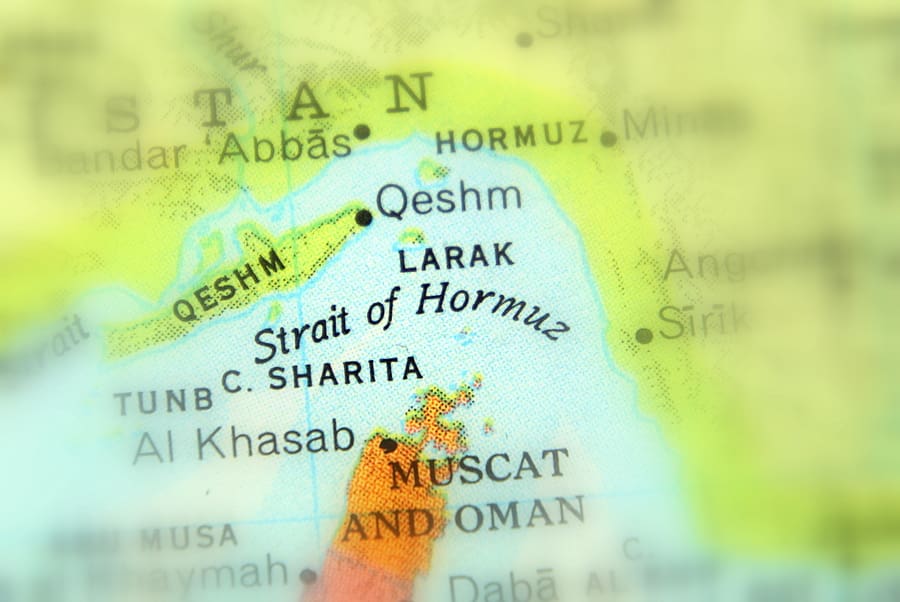

Iran’s recent moves to assert control over the Strait of Hormuz have significantly escalated tensions on the global stage. This strategic waterway, through which approximately 20% of the world’s oil supply passes, is a critical artery for international trade and energy security. Iran’s military maneuvers, including increased naval activity and the deployment of missile systems along its coast, signal a bold reaffirmation of its influence in the region, stirring concern among Western nations and neighboring countries.
The Strait of Hormuz has long been a flashpoint in international relations, with periodic escalations stemming from political tensions between Iran and other nations, especially the United States. Iran has threatened to close the strait in response to perceived provocations, such as economic sanctions or military drills by U.S. forces in the Persian Gulf. The revival of such threats showcases Tehran’s strategy of deterrence, leveraging its geographical advantage to project power and assert its interests amid ongoing sanctions and economic isolation.
The implications of Iran’s actions extend beyond geopolitical boundaries, impacting global oil prices and energy markets. Any perceived threat to shipping lanes can lead to immediate spikes in oil prices, affecting economies worldwide. This is particularly concerning given the volatile state of global oil markets, already strained by various factors, including the ongoing conflict in Ukraine and supply chain disruptions caused by the COVID-19 pandemic. As nations scramble to secure their energy supplies, even subtle changes in Iran’s posture can lead to significant economic repercussions.
Moreover, the situation has revived discussions among the international community regarding maritime security and collective defense. Countries that depend heavily on oil from the Gulf are increasingly recognizing the need for alliances to ensure safe passage through the Strait of Hormuz. Initiatives for joint military exercises and bolstering naval presence in the region have surfaced as nations respond to Iran’s assertiveness and the potential risks it poses.
The U.S. has reaffirmed its commitment to maintaining freedom of navigation in the region, but this incurs the risk of direct confrontation with Iran. Diplomatic channels remain open, yet the reliability of negotiations remains in question, especially given the deep-seated mistrust between Tehran and Washington.
As Iran continues to reassert its control over the Strait of Hormuz, the world watches closely. Diplomatic efforts are crucial in de-escalating tensions, but the shadow of military conflict lurks as long as contested narratives and regional rivalries persist. Striking a balance between defending national interests and pursuing diplomatic solutions may be the key to stability in this vital region.
For more details and the full reference, visit the source link below:
Read the complete article here: https://www.stl.news/iran-reasserts-control-over-strait-of-hormuz/