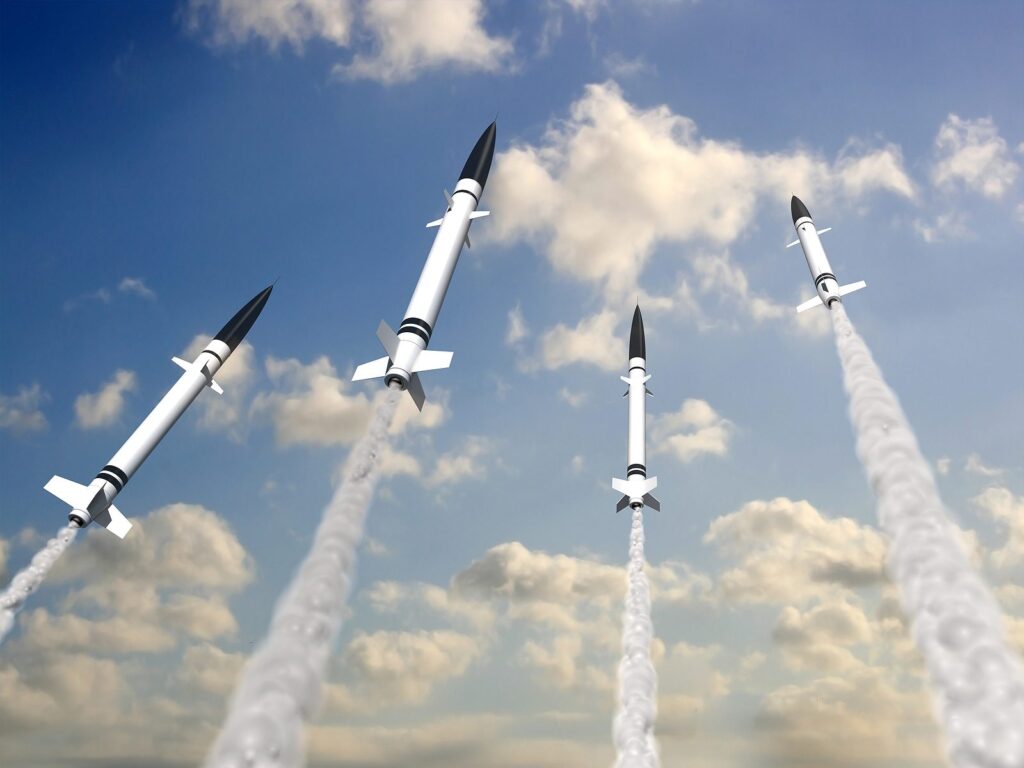

In a complex geopolitical landscape, former President Donald Trump’s consideration of military strikes against Iran’s Pickaxe Mountain site signals a significant escalation in U.S.-Iran relations. The site, reportedly a crucial part of Iran’s nuclear program, has been a focal point of international concern regarding the nation’s potential development of nuclear weapons. Trump’s position on this matter echoes his administration’s previous hardline stance towards Iran, characterized by a “maximum pressure” campaign aimed at curbing Tehran’s nuclear ambitions and regional influence.
The Pickaxe Mountain facility, like other sites in Iran, has been shrouded in secrecy and speculation. Intelligence reports suggest that it is designed to be a heavily fortified bunker, making it difficult to target effectively. This adds a layer of complexity to any military action, as the effectiveness and repercussions of such strikes would need thorough evaluation. Trump’s mention of military strikes could reflect a larger strategy aiming to deter Iran from advancing its nuclear capabilities, especially in the wake of perceived provocations or escalations by the Iranian government.
Critics argue that military strikes could further destabilize the already volatile Middle East region, potentially leading to a wider conflict. During his presidency, Trump’s decisions drew mixed responses domestically and internationally, with many advocating for diplomatic means over military intervention. The memories of the Iraq War have left many wary of the ramifications of unilateral military actions, which could lead to long-term consequences that extend beyond immediate strategic goals.
Moreover, the decision-making process in the current political landscape is compounded by the upcoming 2024 presidential election, where Trump’s military-focused rhetoric could resonate with certain voter demographics looking for a strong leader willing to confront perceived threats aggressively. However, this rhetoric might also alienate voters who favor diplomatic solutions and are concerned about the human and economic costs associated with military engagement.
In essence, Trump’s contemplation of military strikes on Iran’s Pickaxe Mountain site serves as a reminder of the enduring tensions between the U.S. and Iran. The delicate balance between military readiness and diplomatic engagement continues to shape policy discussions. It underscores the broader ramifications of American foreign policy, particularly regarding how it navigates national security interests while avoiding potential pitfalls of military conflict. As the dialogue progresses, it will be essential for both political leaders and the public to weigh the complex layers of this issue, considering both immediate threats and long-term consequences for regional stability and international relations.
For more details and the full reference, visit the source link below: