
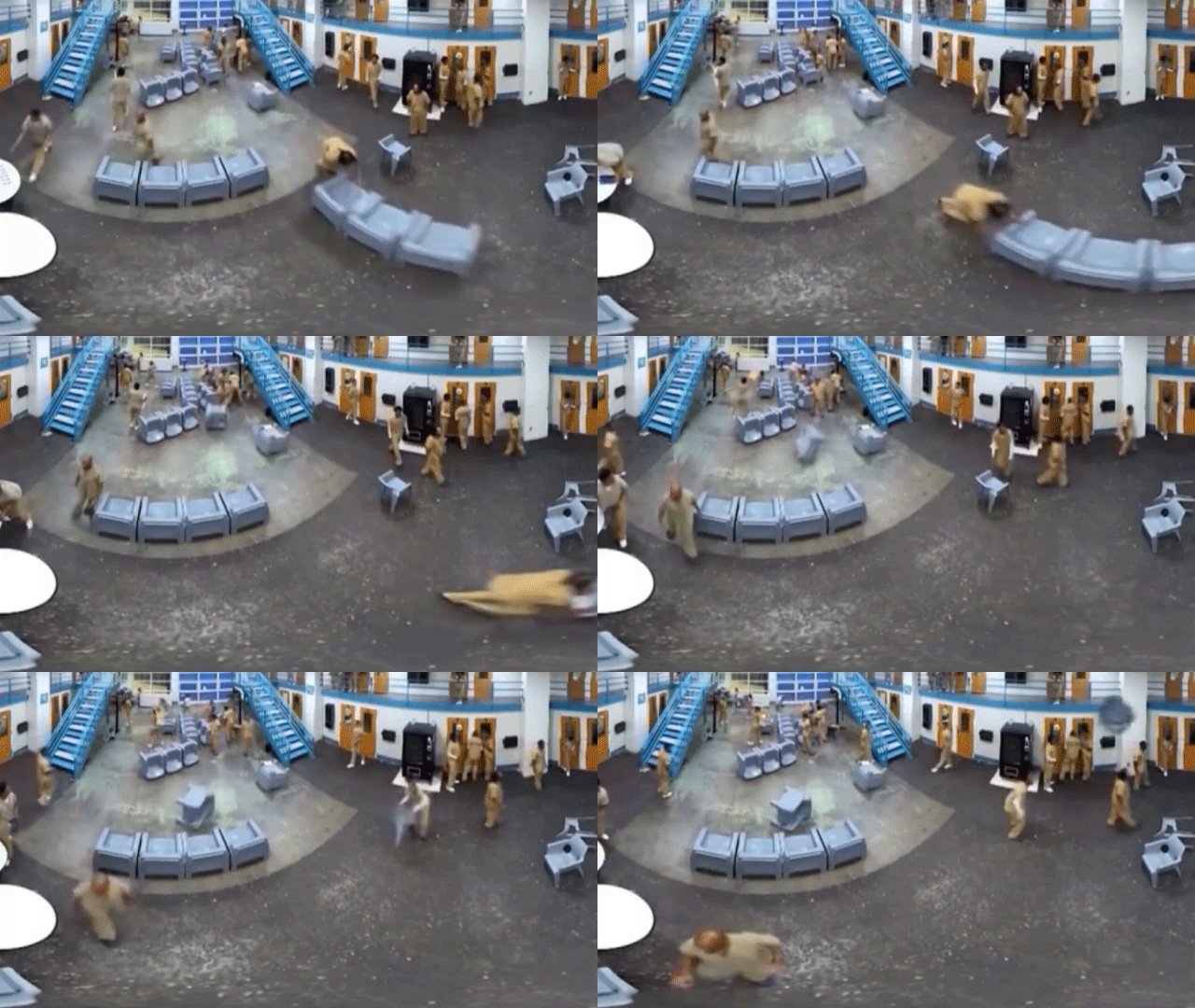

Jail Riot Caught on Camera: Unrest Over Phones and Time Out
Introduction
In a shocking turn of events, a jail riot erupted recently, capturing the attention of both the local community and national news outlets. The situation escalated when inmates voiced their discontent regarding restricted access to cell phones and the overall time-out policies in place. This incident has sparked discussions about the conditions within jails and the rights of inmates, making it a topic of significant interest.
Background of the Incident
The riot occurred in a medium-security correctional facility, where a number of inmates expressed frustration over the limitations on phone usage and the strict regulations around time outs. These complaints are not unique to this facility; they reflect a growing trend in various correctional institutions where inmates are increasingly vocal about their rights.
Inmate Complaints on Cell Phone Access
Cell phones have become a contentious issue within jails. Inmates argue that limited access to communication devices obstructs their ability to connect with family and seek legal counsel. Cell phones offer a lifeline to the outside world, providing emotional support and helping maintain relationships that are crucial during incarceration. When inmates feel their basic communication needs are being hindered, frustration can quickly lead to unrest.
Problems with Time-Out Policies
In addition to concerns about phone access, inmates also complained about time-out policies. The purpose of time-outs is to manage behavior by providing inmates with downtime for reflection. However, many inmates see these policies as punitive rather than rehabilitative. When coupled with restrictions on communication, it becomes a recipe for heightened tensions within the facility.
The Trigger of the Riot
The situation reached a boiling point during a scheduled lockdown. Inmates engaged in a protest, demanding not only better access to phones but also a reevaluation of the time-out policies. The protest quickly escalated into a full-blown riot as tensions rose and groups of inmates clashed with staff members.
Capturing the Chaos
CCTV footage from the facility captured the intensity of the riot. The scenes were distressing, showing inmates shouting, throwing objects, and overwhelming correctional officers who were attempting to regain control. It raises critical questions about the safety measures in place and the preparedness of the staff to handle such volatile situations.
The Role of Social Media
As news of the riots spread, social media played a crucial role in amplifying the voices of the inmates. Videos and photographs taken by inmates during the riot circulated quickly, garnering widespread attention. This digital documentation not only fueled discussions about prison reform but also brought awareness to the inmates’ plight for better living conditions.
Implications for Correctional Facilities
Staff Safety and Training
One of the immediate concerns following the riot is the safety of correctional officers. Incidents like this underscore the need for better training when managing inmates and tailored crisis intervention strategies. Facilities must re-evaluate their staffing policies and emergency response protocols to prevent such incidents in the future.
The Need for Reform
The unrest in the jail reflects systemic issues that need to be addressed. Legal experts argue that these riots are symptomatic of deeper problems—ranging from inadequate rehabilitation programs to the lack of mental health resources. Reforms focused on improving inmate rights, communication access, and fair treatment are essential to fostering a more humane environment.
The Aftermath of the Riot
Legal Ramifications
In the aftermath of the riot, authorities are investigating the causes and looking into potential legal implications for the inmates involved. Charges may range from obstruction of justice to more serious allegations depending on individual actions during the riot.
Inmate Reactions
Following the chaos, some inmates expressed regret over the extent to which the protest escalated. They acknowledged that while their demands were valid, resorting to violence was not the solution. This introspection highlights a crucial aspect of understanding inmate grievances and the importance of constructive dialogue.
The Broader Conversation: Inmate Rights and Reform
The confrontation has ignited discussions not only among policymakers but also among the general public concerning inmate rights and prison reform. Advocates argue for a need to balance safety with humane treatment, calling for policies that acknowledge the unique circumstances surrounding incarceration.
Advocacy for Communication Access
Advocates stress the importance of allowing inmates access to communication devices, which can help reduce feelings of isolation and provide a means for emotional support. Legal reforms aimed at enhancing communication rights within correctional facilities could contribute to improved inmate behavior and a decrease in unrest.
Rethinking Time-Out Policies
The criticism surrounding time-out policies calls for a reevaluation of disciplinary measures. Correctional facilities must explore alternative approaches that emphasize rehabilitation over punishment. Engagement in constructive activities, therapy sessions, and educational programs can pave the way for a more positive inmate experience.
Conclusion
The recent jail riot should serve as a wake-up call for correctional facilities nationwide. As discussions around inmate rights and prison reform continue to gain traction, it is crucial to listen to the voices of those behind bars. The challenges faced by inmates regarding phone access and time-out policies should not be dismissed but rather addressed through meaningful dialogue and reform.
Moving forward, it becomes imperative for correctional institutions to embrace policies that prioritize not only safety but also humanity. By addressing inmate grievances and creating a more empathetic system, agencies can work toward reducing instances of violence and fostering an environment that encourages rehabilitation. The ultimate goal is transforming jails from centers of confinement into platforms for personal growth and reintegration into society.

