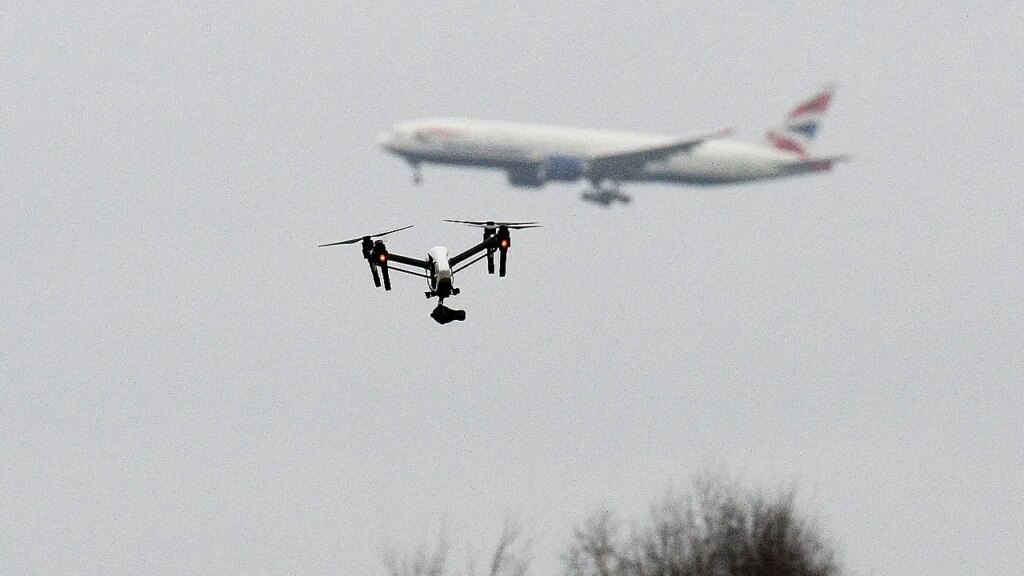

JetBlue Flight Reports Drone Strike Near JFK: FAA Investigation Follows
In recent aviation news, JetBlue Airways has made headlines following a reported drone strike near John F. Kennedy International Airport (JFK). The incident has ignited a flurry of concern among airline officials, aviation experts, and regulatory agencies. As the Federal Aviation Administration (FAA) initiates an investigation into the incident, we explore the implications this has on aviation safety, regulations surrounding drone use, and the overall security of flight operations in the United States.
The Incident: What Happened?
On a seemingly routine day in New York’s bustling airspace, a JetBlue flight departing from JFK reported coming into contact with a drone while climbing to cruising altitude. Though no injuries or significant damages were reported, the event has raised alarms and prompted immediate inquiries. Pilots and crew members are trained to deal with various in-flight emergencies, but the introduction of drones into commercial airspace is a relatively new challenge.
FAA Investigation: What’s Next?
The FAA’s investigation will focus on several critical aspects of the incident. Authorities will assess the flight’s altitude and heading at the time of the strike, as well as the specific location where the drone was detected. Of particular interest is whether the drone’s operator adhered to regulations prohibiting unmanned aerial vehicles from being flown near airports or in controlled airspace.
-
Assessing Traffic Patterns: One focal point of the FAA investigation will be traffic patterns around JFK. The airport is one of the busiest in the U.S., supporting a multitude of flights daily. Agencies will analyze if the drone’s flight path intersected with JetBlue’s operational routes, which could provide insights into the potential oversight by drone operators.
-
Regulations and Compliance: The FAA’s current regulations stipulate that drones must operate at least five miles away from airports unless granted special permission. Investigators will examine the compliance of the drone operator with these rules and consider whether any revised regulations might be necessary to bolster safety.
-
Risk Assessment: The FAA will conduct a comprehensive risk assessment around the areas where drones are most likely to be in proximity to manned aircraft. This may lead to the establishment of stricter no-fly zones or more defined parameters under which drone operations are permitted.
The Growing Threat of Drones
The increasing popularity of drones, both for recreational and commercial use, poses a significant risk to aircraft safety. Drones can interfere with manned flights, particularly during take-off and landing—two critical phases of flight that require heightened focus from pilots.
-
Incidents on the Rise: Reports of near misses between aircraft and drones have been on the rise in recent years. According to the FAA, there were over 2,000 reported incidents involving drones in 2020 alone. The JetBlue incident adds to a growing database of these alarming occurrences and underscores the urgency with which the FAA needs to address this emerging threat.
-
Airlines React: Following the JetBlue incident, airlines across the nation are likely to reassess their safety protocols concerning drone-related incidents. This reevaluation might include enhanced pilot training, the implementation of new technologies, and stricter reporting mechanisms for observing drones during flight.
Possible Repercussions for Drone Operators
The ramifications for drone operators involved in incidents like this can be severe. Depending on the outcome of the FAA investigation, the operator could face substantial fines or legal action. The event also accentuates the importance of educational campaigns aimed at informing drone operators about legal responsibilities and safety protocols.
Changing Perceptions of Drone Usage
As drone technology continues to advance, public perception is also shifting. While drones offer numerous benefits—such as aerial photography, infrastructure inspections, and even delivery services—many remain concerned about their implications for public safety.
Public Awareness Campaigns: Encouraging safe drone usage through public awareness campaigns is vital. These initiatives can help educate drone operators on legal guidelines, operational limitations, and best practices for safely integrating drones into shared airspace.
The Future of Drone Regulations
The JetBlue incident raises an essential question regarding the future of drone regulations. As drone technology becomes increasingly sophisticated, regulatory agencies must adapt to new challenges in aviation safety.
-
Stricter Enforcement: Innovations in drone detection might allow for the more stringent enforcement of existing regulations. Technologies like geofencing, which prevents drones from entering restricted airspace, and new monitoring systems could significantly improve regulatory compliance.
-
New Legislation: We may see new legislative efforts aimed at tightening rules around drone operations, particularly in urban environments or near airports. Drones that breach airspace regulations could be mandated to include specific features for identification in order to promote accountability.
Conclusion: A Call to Action
The reported drone strike involving a JetBlue flight near JFK serves as a wake-up call for the aviation industry, regulatory bodies, and drone operators alike. Safety in the skies necessitates concerted efforts from all stakeholders involved.
Through the FAA’s thorough investigation, the incident may serve as a catalyst for legislative reforms that bolster air safety in the face of burgeoning drone technology. It is essential for drone operators to understand their responsibilities, comply with regulations, and respect the shared airspace to ensure the safety of everyone.
As authorities advance their investigations, staying informed about the evolving landscape of drone regulations and aviation safety will be pivotal for pilots, airline operators, and the everyday citizen alike. The goal is a secure aerial environment that accommodates innovation while safeguarding the integrity of air travel.
For those interested in following updates on this incident, it’s wise to monitor FAA announcements and JetBlue’s communications, as they will likely provide insights into safety measures and future regulations aimed at preventing similar occurrences. Ultimately, collaborative efforts are necessary to safeguard the skies, ensuring that air travel remains safe and reliable for everyone.