
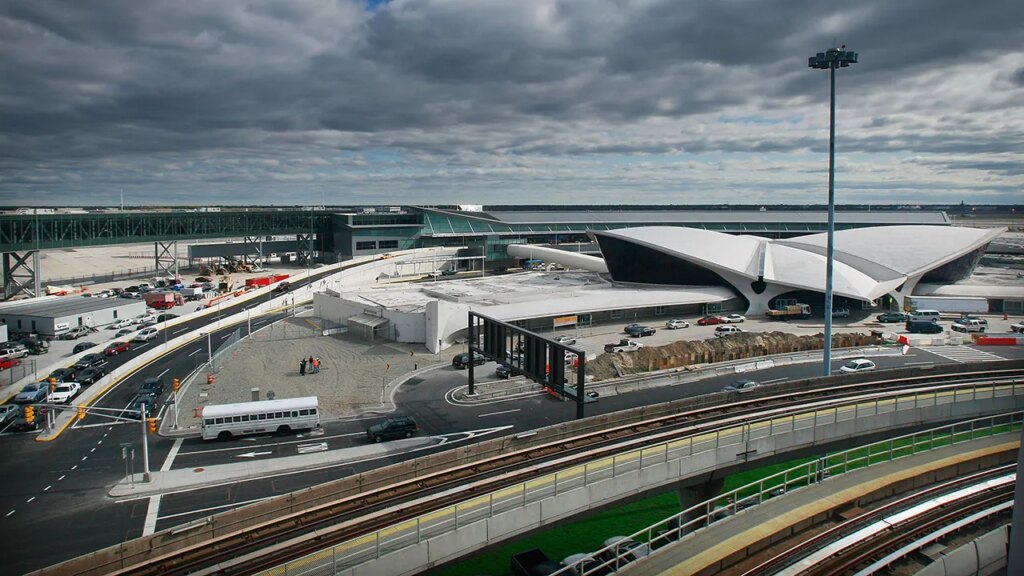

JFK Airport Reports Two Possible Drone Encounters in a Single Day
Introduction
On a single day in recent news, John F. Kennedy International Airport (JFK) experienced two potential drone encounters, raising alarm and awareness about safety measures in aviation. Drone incidents near airports can pose serious risks to aircraft and passenger safety. In this article, we delve into the details surrounding these encounters, their implications for airport operations, and the broader context of drone regulations.
Overview of the Incidents
Encounter One: Early Morning Report
The first instance occurred early in the morning when a pilot reported a drone sighting at about 1,500 feet near the airport’s flight path. Quick response measures were initiated by the Federal Aviation Administration (FAA) and local authorities, including heightened surveillance in the area. Fortunately, no aircraft were directly impacted, and the drone was not located, prompting an investigation into its origin.
Encounter Two: Afternoon Sighting
The second encounter took place in the afternoon. A different pilot spotted a drone flying at an altitude similar to that of arriving aircraft. The quick-thinking pilot promptly reported the sighting to air traffic control, which triggered yet another series of diligent actions from safety officials. This time, however, the drone’s exact location was determined, leading to further scrutiny by airport security personnel.
Implications for Aviation Safety
Threat to Aircraft Operations
Drones flying at high altitudes near airports can interfere with aircraft operations, potentially leading to severe consequences such as mid-air collisions. A report by the FAA indicates that incidents at airports have increased in frequency, heightening the need for robust safety measures.
Passenger Safety Concerns
The encounters at JFK have underscored the importance of passenger safety in air travel. Airlines and aviation authorities prioritize maintaining a secure environment. Each sighting serves as a reminder of the need for constant vigilance regarding unauthorized drone activities.
The Emerging Landscape of Drone Regulations
Federal Regulations and Restrictions
The Federal Aviation Administration (FAA) has implemented several regulations regarding drone operation to mitigate risks near airports. Drones are prohibited from flying within five miles of an airport without prior authorization. Furthermore, pilots must adhere to specific altitudes and operational guidelines to avoid compromising safety.
Need for Stricter Enforcement
The recent incidents at JFK present a compelling case for stricter enforcement of drone regulations. Educating drone operators about safe practices and the consequences of violating airspace restrictions can significantly reduce incidents. Collaboration between drone manufacturers, operators, and regulatory agencies is essential for fostering awareness and compliance.
The Role of Technology in Drone Surveillance
Advanced Detection Systems
To combat the rising threat of drone encounters, airports are increasingly investing in advanced drone detection and tracking systems. Technologies such as radar, radio frequency identification, and video surveillance can provide real-time monitoring of drone activity near airport airspace.
Integration with Air Traffic Control
Incorporating drone detection systems into existing air traffic control (ATC) systems can improve situational awareness for pilots and air traffic controllers. Enhanced communication and data sharing between drone detection systems and ATC can pave the way for more effective responses to potential threats.
Public Awareness and Drone Education
Informing the Community
Public awareness campaigns aimed at educating community members and recreational drone users can help mitigate risks. Local governments and aviation authorities must collaborate to disseminate information regarding drone flying regulations and best practices.
Building a Responsible Drone Culture
Encouraging responsible drone use among hobbyists and enthusiasts is crucial. Safety workshops and seminars can empower drone operators with knowledge about airspace restrictions and safe operation techniques, fostering a culture of responsible drone flying.
Conclusion
The two possible drone encounters reported at JFK Airport highlight an urgent concern in the aviation industry. While the incidents did not lead to immediate danger, they serve as a reminder for the continuous need for effective regulations, technological advancements, and public education. As the number of drones in the air continues to rise, both the aviation sector and drone operators must work together to ensure enhanced safety for all.
Through collaborative efforts, the industry can cultivate a safer environment for air travel and protect the integrity of airport operations. Raising awareness and enforcing regulations will be crucial in addressing the challenges that come with the growth of drone technology.
FAQs About Drone Encounters at JFK Airport
Q1: What should a drone operator do if they accidentally fly near JFK Airport?
A1: Operators should immediately land their drone and report the incident to local authorities. Understanding and following FAA regulations is crucial to ensure safety.
Q2: Are there penalties for violating drone laws near airports?
A2: Yes, penalties can include fines, confiscation of the drone, and potential criminal charges depending on the severity of the violation.
Q3: How can the public stay informed about drone regulations?
A3: Communities should follow announcements from the FAA and local aviation authorities and participate in informational workshops or community events on drone safety.
By staying informed and adhering to regulations, we can work toward a safe coexistence of drone technology and aviation safety.

