
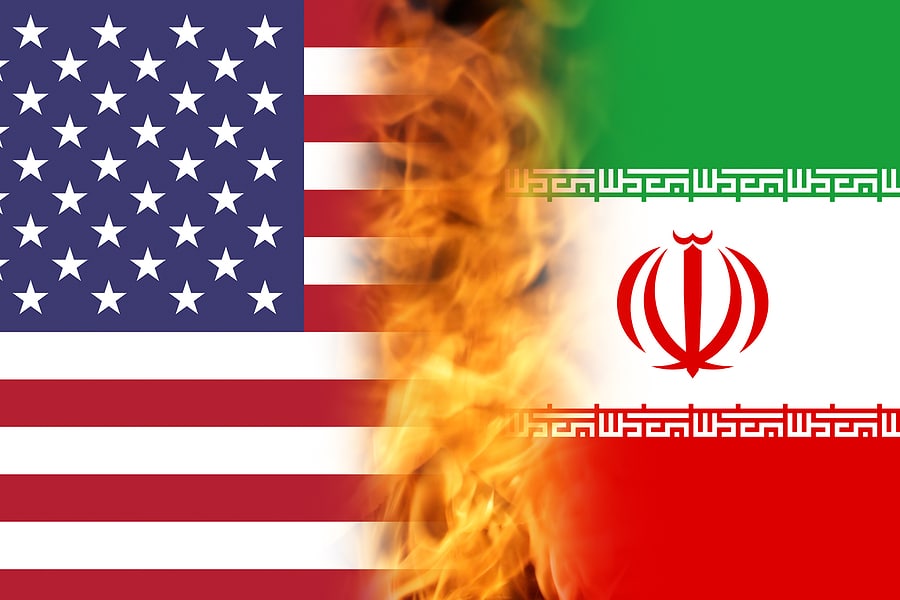

The Strait of Hormuz, a crucial maritime chokepoint for global oil transportation, has long been a focal point of geopolitical tensions. Recent developments have escalated these tensions significantly, particularly following a drone attack attributed to Iranian forces on a commercial container ship. In response, the United States has executed airstrikes targeting Iranian military assets, illustrating a troubling trend of kinetic escalation that could destabilize an already volatile region.
The drone attack on the container ship, believed to be part of a series of provocations, marks a significant uptick in Iran’s aggressive military tactics in the Strait. These operations are perceived not only as direct attacks on commercial vessels but as broader maneuvers that disrupt international trade and increase the risks for vessels traversing this critical waterway. The Strait of Hormuz sees about a third of the world’s liquefied natural gas and nearly a fifth of global oil supplies, making any threat to shipping in this area a matter of global concern.
The U.S. military response through airstrikes signifies a recalibration of American strategy in the region. Historically, the U.S. has attempted to navigate a delicate balance between deterrence and engagement with Iran, aiming to avoid outright conflict while safeguarding vital shipping routes. However, the recent actions indicate a shift towards a more aggressive posture, aiming to degrade Iran’s military capabilities to deter future attacks. This approach may temporarily provide a sense of security for maritime operations, but it also carries the risk of escalating conflict, drawing in not just regional players but also global powers.
Iran’s response to these U.S. actions has been predictably defiant. Tehran accuses Washington of exacerbating tensions and threatening its sovereignty. This cycle of retaliation could lead to a broader conflict, as Iran possesses various proxies throughout the Middle East, capable of striking U.S. forces or allies. Furthermore, any military action in the area may attract international scrutiny and humanitarian concerns, potentially leading to repercussions that could affect more than just the combatants involved.
As events unfold, the international community watches closely, aware of the strategic importance of the Strait of Hormuz. Diplomatic efforts may be necessary to de-escalate tensions and return to negotiations concerning nuclear capabilities and military engagements. However, the current trajectory suggests a lingering risk of kinetic escalation, raising concerns about the potential for broader military confrontations. The U.S. and Iran find themselves at a critical juncture, where strategic choices made today could have significant and lasting implications for regional stability and global economic security.
For more details and the full reference, visit the source link below:
Read the complete article here: https://www.stl.news/kinetic-escalation-in-the-strait-of-hormuz/


