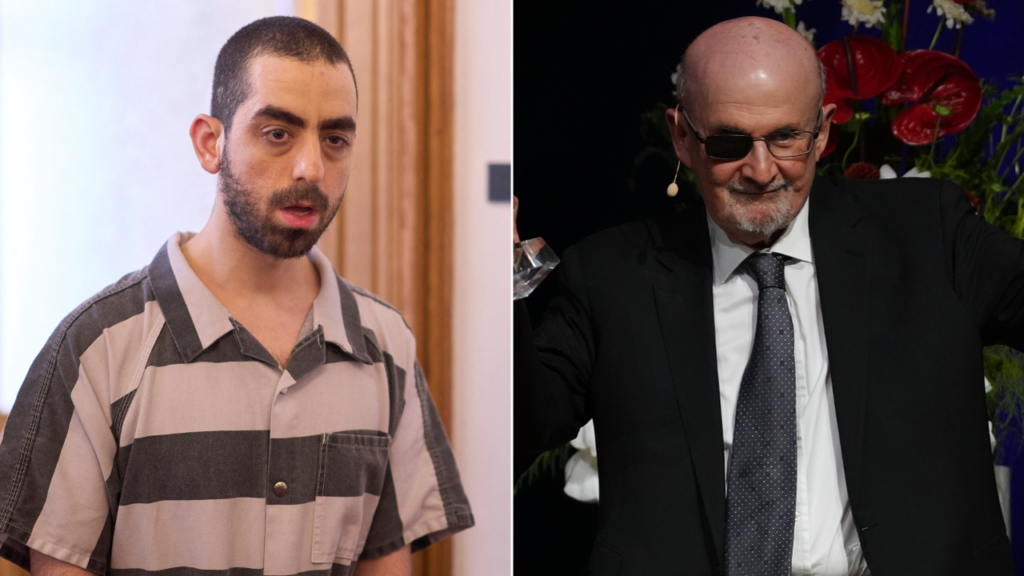

Man Who Stabbed Author in NY: Convicted on Terror Charges
In a shocking turn of events that captured national attention, the man who brutally stabbed author Salman Rushdie in New York has been convicted on multiple terror-related charges. This incident not only highlights the ongoing dangers faced by individuals who exercise free speech but also raises questions about the impact of international fatwas and the global reach of extremist ideologies.
Background of the Attack
The incident occurred on August 12, 2022, during a speaking event where Rushdie was set to discuss his life and career. The assailant, Hadi Matar, rushed the stage and attacked the author, leaving him with severe injuries. The attack was rooted in a fatwa issued in 1989 by Iran’s then-Supreme Leader, Ayatollah Khomeini, calling for Rushdie’s assassination due to his novel, The Satanic Verses, which was considered blasphemous by many in the Islamic world.
The Conviction
After a lengthy legal process, Hadi Matar was convicted on terror charges, including attempted murder and assault. The court’s decision emphasized the premeditated nature of the attack, with prosecutors stating that Matar’s actions were not just personal but motivated by a larger ideological agenda. The conviction serves as a landmark case underscoring the legal ramifications of extremist-inspired violence in democratic societies.
The Global Implications of the Fatwa
The fatwa against Salman Rushdie is a reminder of the profound impacts that religious and ideological edicts can have on individuals and societies. Even decades after its issuance, the fatwa continues to incite violence and fear. Matar’s conviction highlights the enduring relevance of the fatwa in motivating individuals around the world to commit acts of terror in the name of religious or ideological beliefs.
Media Coverage and Public Reaction
This incident has drawn extensive media coverage, accentuating the delicate balance between free speech and religious beliefs. Many authors and activists have come forward in support of Rushdie, asserting that freedom of expression must be protected at all costs. Public reaction has been overwhelmingly supportive of Rushdie, calling for more stringent measures against hate-fueled violence.
Security Concerns for Writers and Intellectuals
In the wake of the attack, many writers and intellectuals have expressed their concerns about safety. The incident serves as a wake-up call regarding the threats posed to free thinkers, journalists, and authors, particularly those who challenge religious dogmas. Publishers and literary organizations have begun to implement enhanced security measures for their events to ensure the safety of speakers and attendees alike.
The Role of Social Media in Extremism
Hadi Matar’s actions and motivations were influenced in part by his engagement on social media. Radicalization through online platforms is a growing concern, as individuals can easily access extremist materials that foster violence. The spread of such ideologies poses significant challenges for law enforcement and intelligence agencies dedicated to preventing domestic terrorism.
The Need for Educational Initiatives
In light of these events, there is an urgent need for educational initiatives aimed at promoting tolerance and understanding. Teaching critical thinking skills and fostering an environment where dialogue can flourish is essential in preventing future acts of violence. Collaborations between educational institutions, community organizations, and law enforcement can play a crucial role in addressing the root causes of radicalization.
Legal Frameworks Surrounding Terrorism
The legal frameworks that govern terrorism vary across jurisdictions, but many are being re-evaluated in light of recent events. Matar’s case raises important questions about what constitutes terrorism, how to prove intent, and the balance between civil liberties and public safety. The implications of this case could influence future terrorism legislation and law enforcement practices in the United States and beyond.
Community Response and Integration
The Muslim community in New York and elsewhere has also reacted to the incident with a mix of shock and condemnation. Community leaders have been vocal about the need to separate extremists from the broader Muslim population, emphasizing the importance of integration and dialogue. Many community organizations are working tirelessly to counteract the negative stereotypes and narratives that arise in the wake of such violent acts.
Conclusion: A Call to Action
The conviction of Hadi Matar serves as a crucial point in the ongoing conversation about free speech, safety, and the implications of ideological extremism. It underscores the vital importance of protecting authors and intellectuals while fostering an environment conducive to dialogue and understanding. Moving forward, it is essential that communities, educational institutions, and governments work together to combat extremism and promote the values of tolerance, free expression, and mutual respect.
As we reflect on this incident, we must also remember Salman Rushdie not just as a victim, but as a symbol of resilience in the face of tyranny. His experiences and the ongoing discourse surrounding them will continue to shape the landscape of free speech and artistic expression for generations to come.