
NY Doctor and Son Accused of Running Pill Mill: A Deep Dive
Introduction
In recent headlines, a New York doctor and his son have been accused of running a pill mill, leading to a significant legal battle and raising alarm over opioid distribution practices. This situation underscores critical issues regarding prescription medication misuse, healthcare ethics, and the broader opioid epidemic in the United States. Here, we explore the implications of these accusations, the ongoing investigation, and their impact on the community.
The Allegations: What Happened?
The allegations against the New York doctor and his son revolve around the illegal distribution of prescription medications, specifically opioids. Law enforcement officials claim that the duo operated a pill mill out of a medical practice. This involves writing prescriptions without legitimate medical purposes, which has severe consequences for public health.
Details of the Case
According to reports, the authorities became aware of irregularities concerning the number of prescriptions being written at the practice. Patients were allegedly being prescribed narcotics in exchange for cash, with little to no medical examinations occurring. Investigators have pointed out that this practice has contributed to the rising opioid addiction crisis in the state and beyond.
Understanding Pill Mills
What is a Pill Mill?
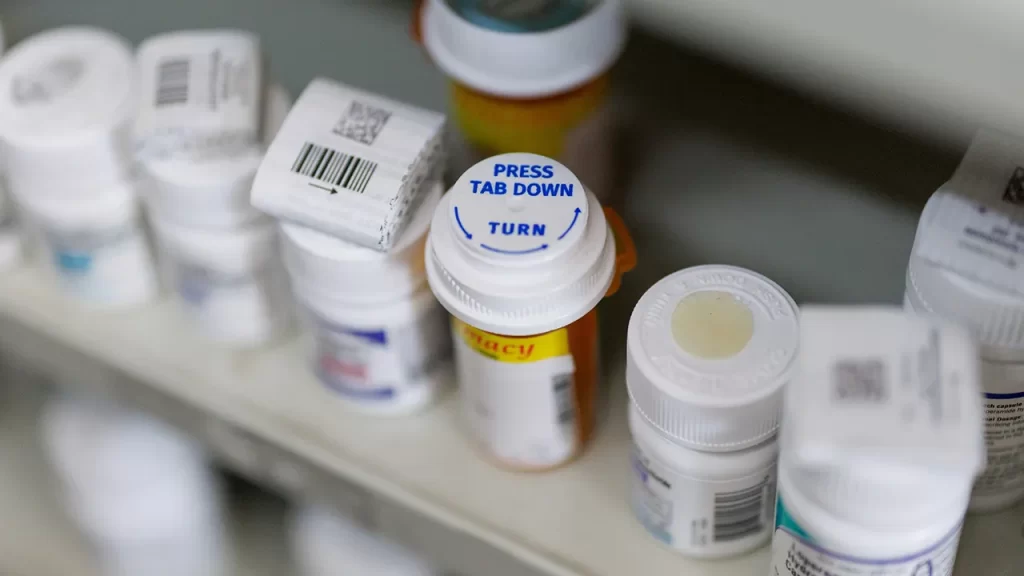
A “pill mill” is a colloquial term for a clinic or medical practice that prescribes controlled substances with little to no legitimate medical need. These establishments often exploit patients’ ailments for financial gain, contributing to the large influx of addictive medications in communities.
Historical Context
Pill mills have become notorious in the U.S., particularly in the wake of the opioid crisis that began in the late 1990s. Many healthcare professionals have fallen victim to the scheme, either as perpetrators or as unknowing affiliates. The New York medical community has seen increasing scrutiny over prescription practices, especially concerning pain management treatment.
The Impact of the Opioid Crisis
The Toll on Individuals and Families
The opioid epidemic has claimed hundreds of thousands of lives across the U.S., sparking discussions about responsible prescribing and patient care. Families have been torn apart by addiction, with many battling the repercussions long after a loved one’s death from an overdose.
Community Response
Communities affected by the opioid crisis have rallied for change. Individuals and organizations are working together to establish better measures for preventing prescription drug abuse. Workshops, support groups, and educational programs are becoming commonplace as towns strive to combat the devastation caused by pill mills.
Legal Repercussions
Charges Filed
As investigations continue, both the doctor and his son face severe legal actions, which may include felony charges that can carry significant jail time. Authorities have launched an extensive investigation to determine the full extent of their operation.
Potential Penalties
Should the allegations hold true, the fallout could be disastrous both personally and professionally for the physician involved. Not only may he face imprisonment, but he risks losing his medical license. The implications on the broader family unit can also be incredibly damaging, with reputational harm extending beyond the walls of the clinic.
Ethical Considerations in Healthcare
Medical Professionalism
The accusations against the doctor highlight an essential philosophy in medicine: the commitment to do no harm. Prescribing medications outside of a legitimate medical context contradicts the ethical responsibility to prioritize patient wellbeing.
The Role of Regulation
These incidents signal a larger systemic issue regarding the regulation of prescriptions, pointing to a need for stricter guidelines to safeguard against such abuses. Regulatory agencies, such as the DEA, play a crucial role in monitoring prescriptions and ensuring compliance with laws designed to control the distribution of controlled substances.
The Role of Law Enforcement
Investigative Efforts
Law enforcement plays an invaluable role in addressing and curbing the activities of pill mills. Initiatives focused on targeting doctors and clinics suspected of wrongdoing are essential for public health and safety.
Community Liaison
Additionally, law enforcement agencies often work in conjunction with local healthcare providers to develop programs aimed at educating the public about the dangers of prescription drug misuse. By fostering communication and understanding, communities can combat the complexities surrounding addiction.
Prevention Measures
Education and Awareness
Educating patients about the risks of opioid use is crucial. Understanding prescription medications’ proper usage and potential side effects can empower individuals to make informed decisions regarding their health.
Alternative Pain Management
There is a growing demand for alternative methods to manage pain, including physical therapy, acupuncture, and holistic approaches. These methods can provide patients with non-addictive options, reducing reliance on narcotics.
The Road Ahead
Legal Proceedings
As the legal proceedings unfold, the case of the New York doctor and his son will likely serve as a crucial example for both the medical community and patients alike. The outcome may prompt further discussions regarding the healthcare system, regulatory policies, and the responsibilities of providers.
Community Healing
Simultaneously, communities affected by the opioid crisis must continue working towards healing and recovery. Establishing support networks and resources can help individuals and families navigate the complexities of addiction while promoting healthier lifestyles.
Conclusion
The accusations against the New York doctor and his son serve as a stark reminder of the ongoing issues associated with opioid distribution. As legal proceedings progress, it is essential for both individuals and communities to engage in conversations about health, responsibility, and the shared commitment to combat the opioid crisis. The road to healing is challenging, yet it is a journey worth undertaking for the safety and wellbeing of all.
By understanding the complexities involved and fostering a collaborative environment, we can aim for a future that prioritizes health and ethical practices in healthcare. With all stakeholders working together, we can bring about meaningful change and tackle the opioid epidemic head-on.