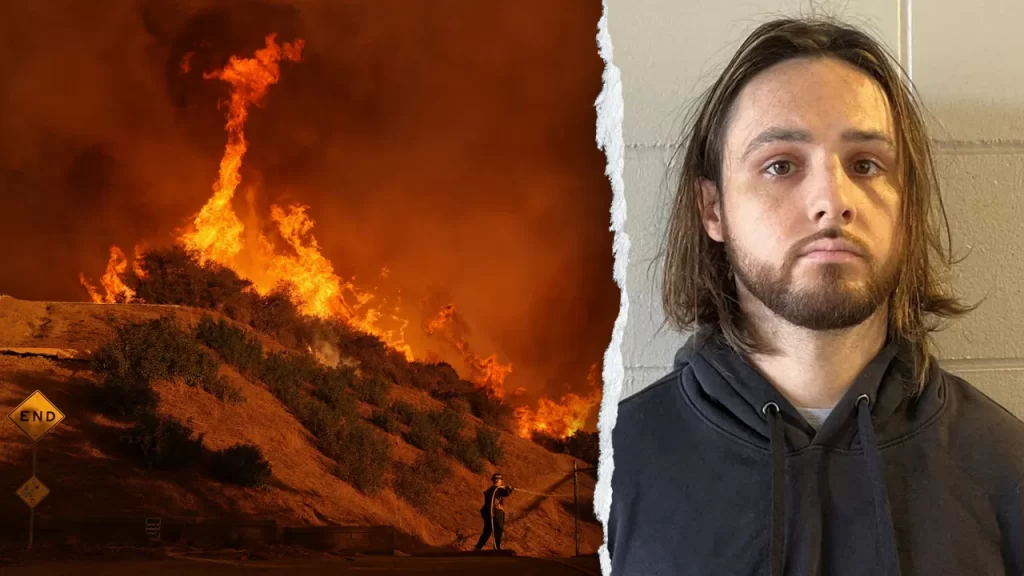

Palisades Fire Suspect Driven by Societal Revenge: Expert Testifies
Introduction
The Palisades Fire, which raged through the scenic areas of Los Angeles, ignited more than just flames; it sparked intense discussions about the motivations behind such devastating acts. Recent testimonies from experts have revealed that the suspect in this case may have been driven by deep-seated feelings of societal revenge. This article explores the psychological and social dynamics that can lead individuals to commit such acts, providing an in-depth look at this troubling phenomenon.
Understanding the Palisades Fire
In late 2021, the Palisades Fire broke out, threatening homes and wildlife in the area. Investigators quickly shifted their focus toward a suspect, leading to intense media coverage and public outcry. The fire caused significant damage, prompting discussions about the motivations behind arson and the broader implications for community safety.
The Suspect: A Profile of Disturbance
Background of the Suspect
The individual accused of starting the fire was described as having a history of grievances against society. Experts analyzing the personality and background of the suspect noted several red flags, including social isolation, a strained family life, and previous run-ins with the law. These factors often contribute to a sense of alienation and can manifest in destructive ways.
Psychological Underpinnings of Societal Revenge
During expert testimonies, psychologists emphasized the concept of societal revenge—where individuals resort to extreme measures to express discontent with larger social injustices. Such actions often stem from a perceived lack of control over one’s life and a desire to make societal structures feel the weight of individual pain.
The Role of Socioeconomic Factors
Struggles with Inequality
Many individuals harbor feelings of anger towards societal structures that they believe have wronged them. In the case of the Palisades Fire suspect, socioeconomic struggles could have exacerbated these feelings. As communities become increasingly divided economically, more individuals may find themselves feeling powerless, leading to desperate and harmful actions.
The Impact of Social Media
In today’s digital age, social media can amplify feelings of isolation and frustration. The suspect’s online activities may have reflected a deep engagement with communities that advocate for societal changes. Unfortunately, this could also mean exposure to extremist perspectives that justify destructive behaviors as a form of protest.
Fire as a Form of Communication
Understanding the Act of Arson
Expert testimonies highlighted that arson often transcends mere criminal behavior; it can be seen as a form of expression. In the case of the Palisades Fire, starting a fire may have been a misguided attempt to communicate grievances. The act draws attention to personal and societal issues in a way that words often fail to achieve.
The Psychological Release from Destruction
Psychologists noted that for individuals feeling suppressed by societal norms, engaging in destructive acts may provide a temporary sense of control. The chaos created by a fire can serve as a release valve for pent-up emotions, albeit through harmful means.
The Community Response
Public Outcry and Legal Accountability
The Palisades Fire triggered immediate outrage across the community, leading to calls for justice and accountability. Residents expressed unease, highlighting the need for law enforcement to address not just the act itself but also the motivations behind it.
A Call for Societal Reflection
Expert opinions suggest that the fire serves as a wake-up call for society. While the suspect’s actions are unforgivable, they also reflect deeper systemic issues that warrant attention. Social, economic, and mental health resources need to be reassessed to better serve those who may feel marginalized or voiceless.
The Path Forward: Breaking the Cycle of Revenge
Investing in Mental Health and Community Programs
Experts insist that one of the most effective ways to combat acts like those seen in the Palisades Fire is to invest in mental health programs and community outreach initiatives. By addressing underlying issues such as depression, social isolation, or economic despair, communities can help reduce feelings of anger and resentment.
Promoting Dialogue and Understanding
Fostering open dialogues within communities can create safer environments where grievances can be expressed without resorting to violence. Engaging with those who feel marginalized may provide an opportunity for reconciliation rather than revenge.
The Legal Proceedings
Implications of the Expert Testimony
As the legal proceedings unfold, the expert testimonies mentioned earlier will likely play a significant role. Understanding the psychological motivations behind the act may influence both the prosecution and defense in court.
The Need for Comprehensive Sentencing
If the suspect is found guilty, experts argue for a nuanced sentencing approach that considers not just punishment but also rehabilitation. Such a strategy seeks to address the root causes of the individual’s actions, potentially preventing future incidents.
Conclusion
The Palisades Fire was not merely an act of arson; it was a complex expression of pain and societal grievances. Expert testimonies reveal that the suspect may have been driven by a desire for societal revenge, prompting critical discussions about mental health, socioeconomic factors, and the need for community understanding. Moving forward, it is crucial for society to confront these issues head-on, investing in solutions that can mitigate the underlying causes of such destructive behavior. Only through collective effort can we hope to prevent similar tragedies in the future.