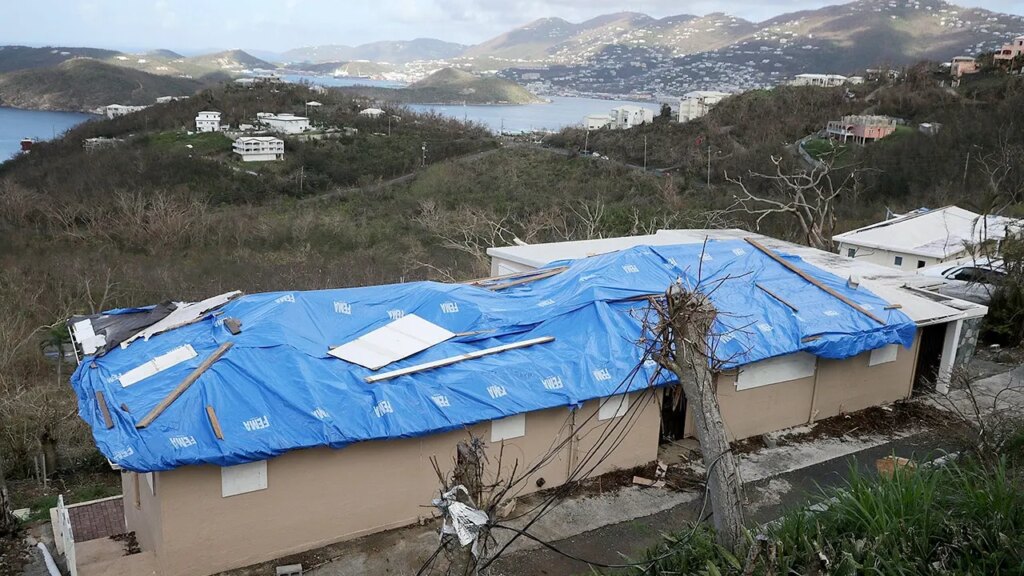

Pennsylvania Woman Jailed 5 Years for $1.7M Hurricane Ida FEMA Fraud
Introduction
In a significant legal ruling, a Pennsylvania woman has been sentenced to five years in prison for defrauding FEMA out of approximately $1.7 million in relief funds following Hurricane Ida. This case underscores the importance of accountability and the necessity for stringent measures against fraud in disaster relief programs.
Understanding FEMA Fraud
What is FEMA?
The Federal Emergency Management Agency (FEMA) is responsible for coordinating the federal government’s response to natural disasters. During such times, it provides various forms of assistance, including financial aid to individuals and families affected by such catastrophes.
What Constitutes FEMA Fraud?
FEMA fraud takes place when individuals unlawfully obtain benefits from the agency. This can occur through numerous methods, including:
- False Applications: Submitting fabricated or inaccurate information to receive assistance.
- Identity Theft: Using someone else’s identity to claim disaster benefits.
- Inflated Claims: Exaggerating losses or damages to receive higher compensation.
The Consequences of FEMA Fraud
FEMA fraud not only undermines the integrity of the disaster relief system but also diverts essential resources from legitimate claimants who truly need assistance. Legal repercussions can include hefty fines and prison time, as demonstrated in this recent case.
The Case of the Pennsylvania Woman
Background
In the aftermath of Hurricane Ida, which struck the East Coast of the United States in September 2021, many residents were left devastated. As a result, numerous people sought relief through FEMA to recover from property losses and damages incurred during the storm. However, one woman exploited this desperate situation for personal gain.
The Scheme
The Pennsylvania woman, whose identity was not disclosed in the sentencing announcement, concocted a strategy to defraud FEMA. She submitted false claims claiming she had experienced significant losses due to flooding. Investigators discovered that she had fabricated documents and inflated her claims to make it appear as though she was entitled to higher compensation. The amount fraudulently claimed totaled approximately $1.7 million—a staggering sum that evidently showcased the depth of her deceit.
Investigation and Arrest
Following a tip-off, a thorough investigation carried out by federal authorities revealed the extent of her fraudulent activities. Officials scrutinized her application materials, residency documents, and financial statements, leading to overwhelming evidence against her.
Sentencing and Legal Repercussions
Ultimately, the Pennsylvania woman was sentenced to five years in federal prison. Additionally, she was ordered to pay restitution, ensuring that the funds were repaid to FEMA. The ruling serves as a cautionary tale about the legal consequences of defrauding federal programs designed to aid citizens during their most vulnerable times.
Impact on FEMA and Disaster Relief Efforts
Strain on Resources
Cases like this one put a considerable strain on FEMA’s resources. When funds are diverted to fraudulent claims, it jeopardizes the ability to assist those who are genuinely affected by disasters. High-profile fraud cases can further slow down the process of dispersing aid, which is critical in the immediate aftermath of a disaster.
Heightened Scrutiny
In response to increasing cases of fraud, FEMA has implemented stricter measures for claim verification. The agency is continuously refining its approach to ensure resources are efficiently distributed while minimizing the chances for fraud. This case likely prompts the organization to invest even more in auditing and investigating claims.
Local Community Reaction
Public Sentiment
The local community has expressed outrage and disappointment regarding the actions of the Pennsylvania woman. Many feel that her actions not only betray those in need but also tarnish the perception of all individuals seeking aid after disasters.
Trust in FEMA
Instances of fraud can lead to skepticism toward FEMA and its efforts, making it crucial for the agency to ensure transparency and maintain public trust. The penalization of fraudsters is one step toward restoring that trust.
Prevention and Education
Raising Awareness About FEMA Programs
To combat future instances of fraud, education regarding the appropriate use of FEMA assistance is essential. Public outreach campaigns could inform citizens about the application process, eligibility requirements, and consequences of fraudulent claims.
Reporting Fraud
FEMA urges individuals to report any suspicions of fraud they encounter, prompting a collaborative effort to undermine fraudulent activities. Publicizing mechanisms for reporting fraud can facilitate a proactive approach to safeguarding government assistance programs.
Conclusion
The case of the Pennsylvania woman sentenced for defrauding FEMA serves as a stark reminder of the challenges faced by disaster recovery programs. As authorities remain vigilant in their fight against fraud, it becomes imperative to ensure that relief funds are allocated correctly, aiding those who genuinely require assistance in times of crisis.
While the five-year prison sentence undoubtedly reflects the seriousness of her actions, the broader implications emphasize the need for continued vigilance and education surrounding disaster relief programs. By understanding the perils of fraud and actively discouraging such behavior, we can work toward maintaining the integrity of vital assistance programs like FEMA, ensuring that help gets to where it is needed most.
Call to Action
For those affected by disasters, it’s crucial to follow proper channels when seeking assistance. Stay informed, educate others, and encourage a transparent process to ensure that no one is left behind in times of crisis. Remember, ethical practices in disaster recovery not only benefit individuals but strengthen communities as a whole.