
Portland Man Sentenced to 30 Months for Assaulting ICE Officer
Introduction
In a significant ruling that has stirred discussions about law enforcement and immigration policies, a Portland man received a sentence of 30 months in prison after throwing a rock at an officer from the Immigration and Customs Enforcement (ICE). This incident sheds light on the tension surrounding immigration enforcement in the United States and raises questions about public sentiment towards federal agents. This article explores the details of the case, its implications, and the broader context surrounding it.
Background of the Incident
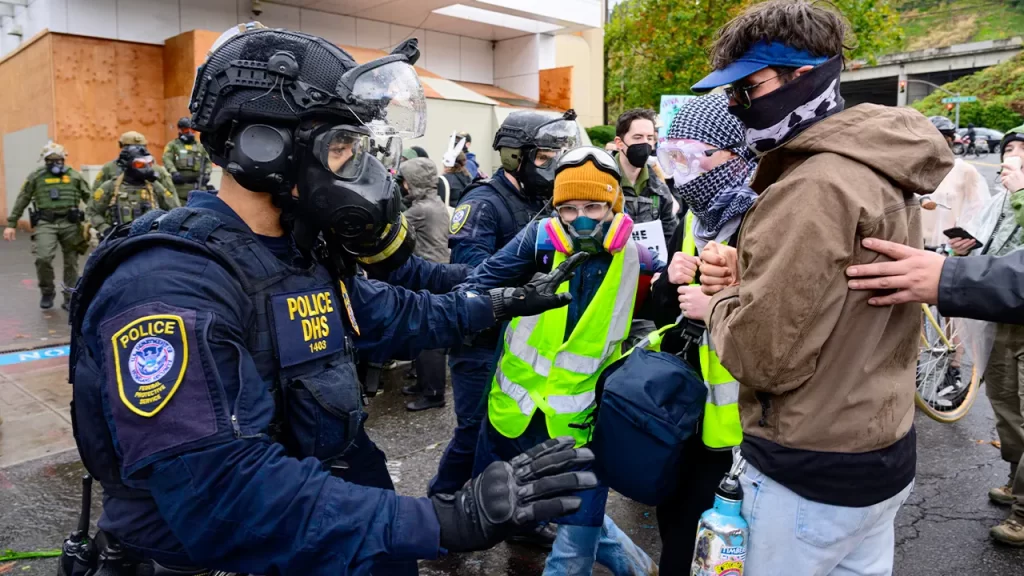
The incident occurred during a protest against ICE, where demonstrators gathered to voice their opposition to immigration policies. According to reports, tensions escalated significantly when the Portland man, whose name has not been publicly disclosed, threw a rock at an ICE officer. This act of aggression not only endangered the officer but also undermined the peaceful nature of the protest, prompting a significant law enforcement response.
Legal Proceedings
Following the incident, law enforcement quickly arrested the man, charging him with assault on a federal officer. The legal proceedings that followed highlighted the seriousness of the crime, particularly given the context of increasing hostilities towards ICE and other immigration enforcement agencies.
During the trial, evidence presented included video footage and eyewitness testimonies that detailed the events leading up to the assault. The prosecution emphasized the recklessness of the act and its potential to incite violence in an already charged atmosphere. As a result, the judge sentenced the man to 30 months in federal prison, emphasizing that such behavior would not be tolerated.
Impact on Community Relations
This incident is emblematic of the growing divide between federal law enforcement and certain communities, particularly those with a high concentration of immigrants. Protests against ICE have become more common, with many citizens expressing their opposition to policies perceived as harsh or discriminatory.
Community leaders argue that this type of aggression, while reprehensible, is a symptom of deep-seated frustrations regarding immigration policies. Many protesters view ICE officers as enforcers of laws that lead to family separations and deportations, igniting their passion and, in some cases, provoking violent actions.
The Broader Context of Immigration Enforcement
The American landscape of immigration enforcement has been contentious for years, exacerbated by differing opinions on how to handle undocumented immigrants. The presence and actions of ICE have sparked nationwide debates, with some viewing the agency as necessary for national security, while others see it as an entity that disproportionately targets marginalized communities.
The Portland case serves as a microcosm of this national debate. In cities with a high immigrant population, such as Portland, tensions can quickly escalate when federal officers engage with communities that distrust them.
Penalties for Assaulting Federal Officers
Assaulting a federal officer is a serious crime with stiff penalties in the United States. Federal law mandates severe punishments for those who attempt to harm federal agents in the line of duty. The 30-month sentence handed down to the Portland man underscores the gravity of such actions. Federal authorities aim to deter others from similar behavior, reinforcing the importance of respecting law enforcement, even amidst disagreements about policy.
Response from Advocacy Groups
Various advocacy groups have weighed in on the sentencing and the broader implications of the incident. Some organizations argue that harsh penalties against individuals who act out violently against immigration officers could deter public dissent against immigration policies.
Others have called for a deeper examination of the systemic issues driving public outcry against ICE. These groups urge policymakers to consider reforms that would address the root causes of frustration, including the need for comprehensive immigration reform.
Public Opinion and Media Coverage
The media’s portrayal of the incident has varied, reflecting the polarized opinions surrounding immigration enforcement. Articles detailing the man’s actions often focus on the criminality of assaulting a federal officer, while commentary and editorials frequently address the protest’s underlying issues.
Social media reactions have been similarly divided. Supporters of ICE may view the man’s actions as reckless and deserving of punishment, while critics may highlight this case as emblematic of the frustration many feel towards immigration policies they deem unjust.
Looking Forward
As discussions continue around immigration policy in the United States, the case of the Portland man serves as a reminder of the growing tensions at the intersection of law enforcement and civil rights advocacy. The landmark sentencing showcases the federal government’s commitment to protecting its officers while also stressing the need for dialogue surrounding immigration enforcement practices.
Conclusion
The Portland man’s 30-month prison sentence for throwing a rock at an ICE officer reflects not just a criminal act, but a broader societal issue regarding immigration policies and community relations with law enforcement. As the nation navigates its complex relationship with immigration, cases like this underscore the urgent need for constructive dialogue and reforms. Understanding the multifaceted nature of these tensions can help communities work towards peaceful resolutions and healthier relations between immigrant populations and law enforcement agencies.
By shedding light on incidents like this, we can better advocate for a future that embraces both safety and humanity within our immigration system.