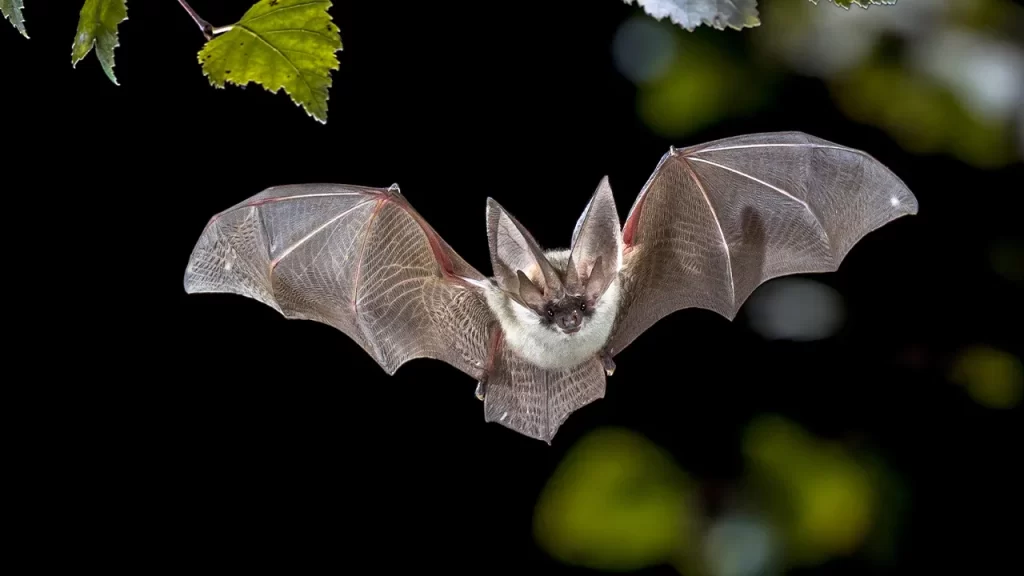

Rabid Bat Found Near Fremont, California Neighborhood Sparks Warning
Introduction
In early October 2023, a frightening discovery was made in a neighborhood near Fremont, California. A rabid bat was found, which has raised alarms among residents and local health authorities. This incident has highlighted the importance of being aware of wildlife diseases, particularly rabies, and the need for community education regarding such issues.
Understanding Rabies
Rabies is a viral disease that primarily affects mammals, including bats, raccoons, and dogs. It’s transmitted through saliva when the infected animal bites or scratches another animal or human. Rabies can lead to severe neurological symptoms and is almost always fatal once symptoms appear. The importance of awareness and prevention cannot be overstated in areas where wildlife frequently comes into contact with human populations.
What Happened in Fremont?
The bat found in the Fremont neighborhood was tested and confirmed to be rabid, prompting immediate actions by the Alameda County Public Health Department. Local officials initiated a community awareness campaign to educate residents about how to protect themselves and their pets from potential exposure.
Residents were advised to keep a safe distance from wildlife and report any unusual animal behavior. The discovery put a spotlight on the presence of bats in urban areas, a topic many people may not be familiar with.
Signs of Rabies in Animals
Recognizing the signs of rabies in animals is crucial for pet owners and community members alike. Common symptoms in bats and other wildlife include:
- Abnormal behavior: This can include aggression, confusion, and unusual vocalizations.
- Lack of fear: Normally shy animals may approach humans or pets without hesitation.
- Physical Symptoms: These can include excessive drooling, paralysis, or seizures.
If you encounter an animal displaying any of these signs, it is essential to keep your distance and report it to local authorities immediately.
Safety Guidelines for Residents
In light of the recent discovery, residents of Fremont should take specific precautions to ensure their safety and the safety of their pets. Here are some helpful guidelines:
1. Vaccinate Pets
Make sure that your pets—especially dogs and cats—are vaccinated against rabies. This is not only crucial for their health but also for the safety of the community.
2. Avoid Contact with Wild Animals
Discourage direct interaction with wildlife, including bats, raccoons, and squirrels. If you find injured or sick wildlife, contact local wildlife rehabilitation centers instead of attempting to help it yourself.
3. Secure Trash Cans
Make sure garbage bins are securely closed to prevent scavenging by animals, which can attract them to residential areas.
4. Educate Your Family
Educate your family members, especially children, about the dangers of interacting with wild animals. Teaching them to respect wildlife is key in promoting safety.
5. Report Suspicious Activity
If you see an animal that appears to be behaving strangely or is out during unusual hours, report it to animal control.
The Role of Local Health Authorities
The Alameda County Public Health Department plays a crucial role in managing public health concerns related to wildlife. Following the bat’s discovery, they mobilized to educate the community, emphasizing the significance of vaccination and public awareness. They also conduct rabies surveillance to monitor outbreaks and keep the community informed.
Public Health Impact
The finding of a rabid bat serves as a wake-up call, not just for Fremont residents but for communities across the country that are increasingly experiencing the encroachment of wildlife. Urban areas are becoming more populated, which can lead to potential interactions between humans and animals that may carry diseases like rabies.
The Importance of Community Awareness
Community awareness and outreach are vital aspects of rabies prevention. Local health departments often conduct educational programs to inform communities about rabies, its symptoms, and how to reduce the risk of transmission.
In the case of the Fremont bat, increased awareness could prevent future incidents. Residents who are informed are more likely to take proactive measures for safety, ensuring both their well-being and that of their pets.
Conclusion
The discovery of a rabid bat in Fremont, California, serves as a crucial reminder of the importance of awareness and education regarding wildlife diseases. By following the guidelines provided by local health authorities and educating ourselves and our communities about rabies, we can help prevent potential outbreaks and ensure that we coexist safely with wildlife.
As we move forward, it is crucial for residents to remain vigilant and proactive. Whenever possible, engage with local health departments, participate in awareness programs, and advocate for responsible pet ownership. Together, we can help minimize the risks that rabies and other wildlife diseases pose to our communities. Stay informed, stay alert, and protect your families and pets.