

Several Hikers Dead Amid High Temperatures at Grand Canyon: A Sad Reminder of Nature’s Power
Introduction
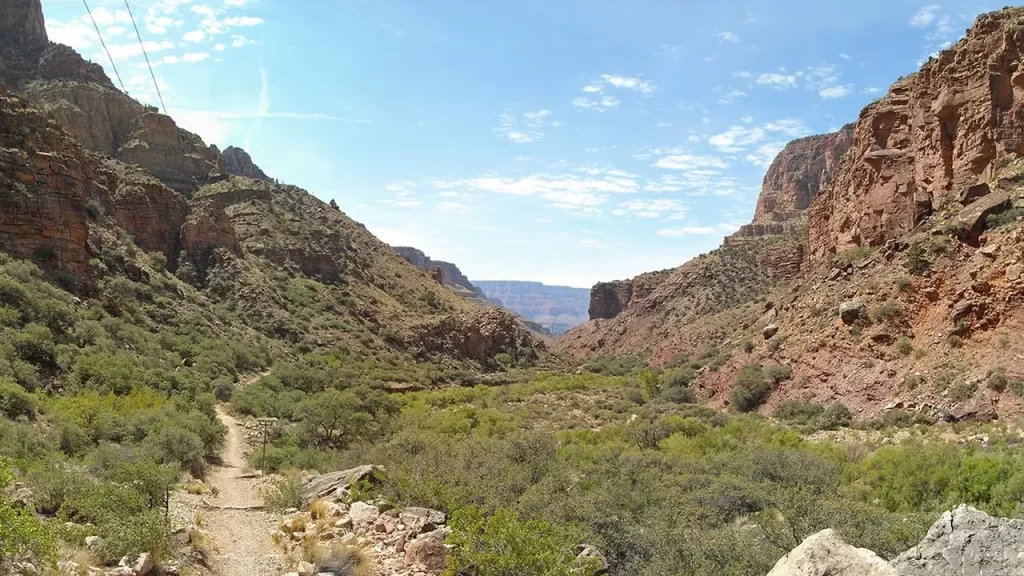
The Grand Canyon, one of the most iconic natural wonders in the world, is known for its breathtaking vistas and rugged terrain. However, the beauty of this majestic location can be overshadowed by the dangers posed by extreme weather conditions, particularly during the summer months. Recently, several hikers lost their lives in what authorities believe may be linked to the unprecedented high temperatures experienced in the region. This tragic event serves as a stark reminder of the risks associated with hiking in extreme heat and underscores the importance of safety precautions for outdoor enthusiasts.
The Impact of High Temperatures on Outdoor Activities
Understanding the Risks
Hiking in extreme temperatures can lead to serious health issues, including heat exhaustion and heatstroke. The Grand Canyon, with its challenging trails and elevation changes, can exacerbate these conditions. In recent years, climate change has led to rising temperatures, making it increasingly dangerous for hikers. The National Park Service suggests that temperatures during summer months can reach well above 100°F (37°C) in certain areas.
Signs of Heat-Related Illness
It’s essential for hikers to recognize the early signs of heat-related illnesses. Symptoms like dizziness, rapid heartbeat, nausea, and confusion should never be ignored. Hydration becomes crucial, and hikers should always drink plenty of water, particularly when temperatures soar.
Recent Tragedies: Hikers Overcome by Heat
Incidents at the Grand Canyon
In recent weeks, the Grand Canyon has witnessed a series of unfortunate incidents where several hikers reportedly succumbed to the extreme heat conditions. While specific details surrounding these cases are still unfolding, park officials emphasize the need for vigilance and preparation. Many of the deceased are believed to have underestimated the temperatures and overexerted themselves without proper hydration or gear.
The Role of Search and Rescue Teams
Search and rescue teams at the Grand Canyon are often engaged in ongoing training to respond to emergencies effectively. After the reports of hikers found deceased due to heat exposure, these teams are reminding the public of the importance of preparation before hitting the trails. The incidents highlight the need for educational outreach concerning the dangers of hiking during intense heat.
Preparing for Hikes in Extreme Conditions
Planning Your Route
Before embarking on any hiking adventure, especially in high-temperature conditions, proper planning is crucial. Check weather forecasts, trail conditions, and park alerts. The National Park Service provides information on trail difficulty levels and specific recommendations based on current weather conditions.
Essential Gear and Supplies
For those planning to hike in the Grand Canyon during the summer months, packing appropriately is essential. Here’s a checklist of must-have items:
- Water: Carry at least one gallon of water per person, and consider using hydration packs for easy access.
- Sun Protection: Use sunscreen with a high SPF, hats, and sunglasses to protect against UV rays.
- Food: Pack energy-rich snacks to maintain stamina during long hikes.
- First-Aid Kit: Always have a basic first-aid kit on hand for emergencies.
- Weather-Appropriate Clothing: Lightweight, breathable fabrics can help keep your body cool.
The Importance of Going with a Buddy
Hiking alone can be risky, especially in extreme weather conditions. It’s highly recommended to hike with a partner or in a group. This not only adds safety but also allows for shared resources and increased awareness during emergencies.
Heat Safety Tips for Hikers
Recognize the Sign of Trouble
As previously mentioned, understanding the signs of heat-related illnesses is essential. Here are additional tips to ensure your safety:
- Stay Hydrated: Drink water before you feel thirsty to avoid dehydration.
- Scheduled Breaks: Take regular breaks in shaded areas to cool down.
- Pace Yourself: Don’t rush your hike; move at a steady, manageable pace.
- Know Your Limits: If the heat becomes overwhelming, turn back.
Emergency Response Plan
Having an emergency plan can save lives. Inform a friend or family member of your hiking plan, including your expected return time. In case you find yourself in distress or require help, make sure you know how to contact local emergency services.
The Role of Education and Awareness
Community Outreach Programs
In response to the recent tragedies, park officials and community organizations are working on outreach programs aimed at educating hikers about the perils of hiking in high temperatures. Seminars and workshops are being initiated to share valuable tips and resources with outdoor enthusiasts.
Sharing Experiences
Stories from survivors and cautionary tales can have a lasting impact on public awareness. It’s crucial for hikers to share their experiences and lessons learned regarding heat safety. Social media platforms have become effective channels for spreading awareness and connecting with fellow hikers.
Conclusion
The Grand Canyon remains a cherished destination for hikers and nature lovers. However, the recent tragedies serve as a poignant reminder of the inherent risks associated with hiking in extreme temperatures. It is imperative for outdoor enthusiasts to prioritize their safety by staying informed, prepared, and vigilant in the face of nature’s challenges.
For those planning to explore the Grand Canyon, adherence to safety guidelines and preparation are keys to ensuring a safe and enjoyable hiking experience. Let us remember the fallen while committing to smarter activities that honor both the beauty of our natural landscapes and the well-being of everyone who ventures into them. Always respect nature’s power, and plan wisely!


