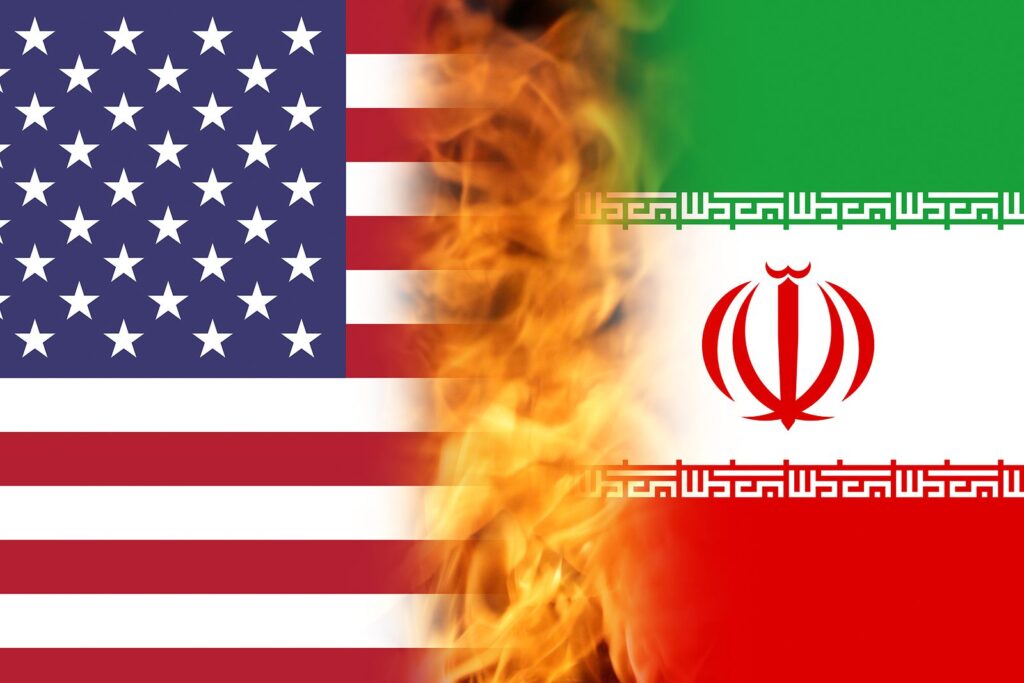

In a startling turn of events, Tehran finds itself scrambling as former President Donald Trump recently announced intentions to utilize seized Iranian funds for commercial ship repairs. This declaration has added a new layer of complexity to the already intricate relationship between the United States and Iran, emphasizing ongoing tensions stemming from political, economic, and diplomatic fronts.
The funds in question are part of the billions of dollars tied up in various financial institutions across the globe due to sanctions imposed by the U.S. government. This money, originally intended for humanitarian purposes and essential imports, has become a contentious issue in U.S.-Iranian relations. Trump’s pledge to repurpose these assets reflects a tactic often employed by his administration: leveraging economic pressure to negotiate what they term as fairer terms with Iran regarding its nuclear program and regional activities.
Tehran’s leaders reacted swiftly, condemning the decision as yet another act of hostility aimed at undermining Iran’s economy and sovereignty. Iranian officials have long maintained that their nation is the target of a concerted campaign of economic aggression from the U.S. Although the Trump administration argues that sanctions are necessary to curb Iran’s nuclear ambitions and support for militant groups, critics contend that they disproportionately hurt ordinary citizens and inhibit vital imports.
The announcement also raises questions about the legality and ethical implications of using funds that were earmarked for humanitarian purposes. International law generally prohibits the appropriation of assets held by foreign governments, and such a move could face significant pushback from allies and organizations focused on upholding judicial norms. This potential legal quagmire complicates the U.S. administration’s plans, leaving the international community to ponder the consequences of such unilateral actions.
Moreover, the rhetoric surrounding this issue could inflame existing hostilities even further. Tehran may view this maneuver not as a benign repair project but as an escalation of economic warfare. Consequently, diplomatic channels that could lead to negotiations over the nuclear deal are likely to wither under increased pressure.
At the same time, this situation underscores the precarious balance of regional politics. The reliance on foreign aid and trade in the maritime sector means that the implications of Trump’s announcement reach beyond Iranian shores, affecting global shipping dynamics and economies intertwined with Iran’s.
As developments unfold, all eyes will be on both sides of the negotiation table. Tehran’s response will be pivotal not only for its national interests but also for regional stability as it contends with outside pressures that could reshape its economic landscape for years to come. This situation serves as a stark reminder of the complexity of international relations, marked by shifting alliances and the ever-present threat of confrontation.
For more details and the full reference, visit the source link below: