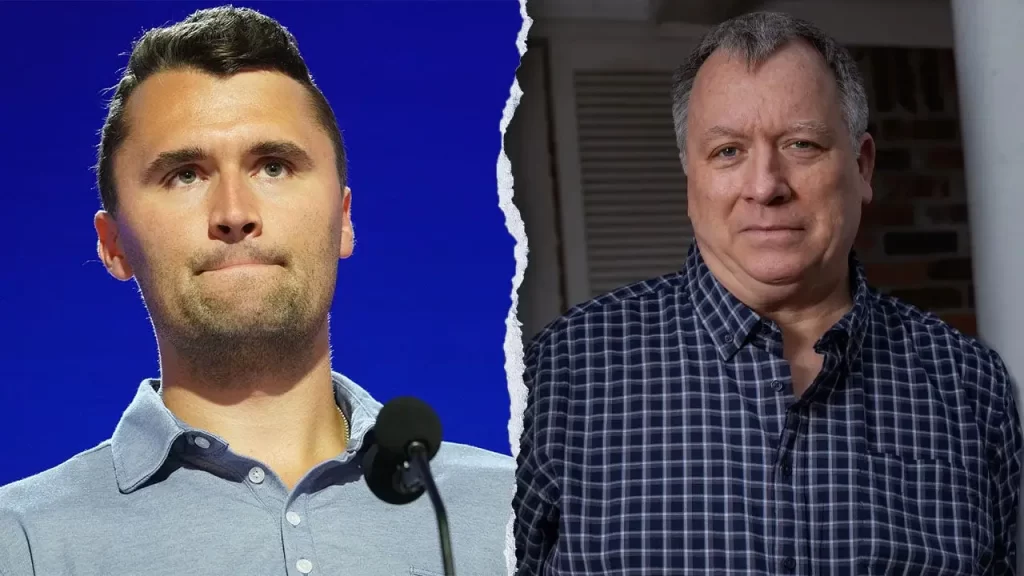

Tennessee Man Jailed Over Charlie Kirk Facebook Meme Gets $850K Settlement
Introduction
In an unprecedented case highlighting the intersection of social media, free speech, and legal boundaries, a Tennessee man found himself behind bars over a satirical Facebook meme that lampooned conservative commentator Charlie Kirk. The fallout of this incident has led to a significant legal settlement, raising questions about constitutional rights and the potential ramifications of online expression.
Background: The Incident
In 2021, a Tennessee man, whose identity has not been widely publicized, posted a meme on Facebook that supposedly depicted Charlie Kirk in an unfavorable light. The meme was intended as satire, a form of comedic commentary that often exaggerates or distorts elements of reality for humorous effect. However, the meme sparked outrage among some individuals, leading to the man’s arrest.
The arrest was particularly controversial, as it raised concerns about how far the law can go in regulating expressions on social media platforms. Critics argued that the man’s detainment was a breach of his First Amendment rights.
Legal Proceedings and Settlement
Following his arrest, the man pursued legal action against the state. His case became a focal point for discussions about the limits of free speech in the digital era. After extensive legal battles, the state ultimately agreed to settle the case for $850,000. This settlement marks one of the largest payouts related to free speech rights in recent years.
Implications of the Settlement
The $850,000 settlement not only compensates the incarcerated man but also serves as a stark reminder of the importance of protecting free speech. This case underscores the necessity for law enforcement to be cautious when dealing with social media expressions, particularly those that can be interpreted as satire.
The Legal Arguments
The man’s legal team presented a robust case centered on violations of First Amendment rights. The key arguments revolved around the nature of satire, its role in public discourse, and the broader implications of criminalizing humorous content.
First Amendment Rights
The First Amendment guarantees citizens the right to free speech, prohibiting the government from making laws that abridge this fundamental principle. The legal team argued that the arrest was an improper infringement on these rights, emphasizing that humor and satire play a vital role in political discourse and social commentary.
Social Media as a Forum for Expression
Moreover, the case brought to light the evolving nature of communication in the digital age. Social media platforms like Facebook serve as modern public squares where ideas—both serious and humorous—can be exchanged. Arresting someone for a meme posted on such a platform raises significant concerns about censorship.
Public Reaction
The public response to the incident was mixed. Supporters of the man hailed the settlement as a victory for free speech, emphasizing the importance of safeguarding individual rights. Others, particularly within certain political circles, contended that the meme’s content was offensive and deserving of legal ramifications. The divide illustrates the growing polarization surrounding discussions of free expression.
Media Coverage
The story received national media coverage, with various outlets analyzing the implications of the case. From op-eds to legal analyses, the incident became a touchpoint for broader conversations about the state of free speech in America.
The Role of Satire in Society
Satire has long been an essential aspect of societal discourse. From ancient literature to modern-day comedy, it serves as a tool for social critique and reflection. The Tennessee incident raises important questions: How should society approach satirical content? Where do we draw the line between humor and harmful expression?
Satire as a Tool for Accountability
One of the primary functions of satire is to hold power to account. Comedians and satirists often dig into the absurdities of politics, culture, and various aspects of society to enlighten and entertain. When individuals face legal consequences for such expressions, it stifles not only their voices but also the broader discourse that thrives in a democratic society.
Conclusion
The recent case involving the Tennessee man jailed over a Charlie Kirk meme and his subsequent $850,000 settlement highlights the fragile balance between maintaining public order and protecting individual rights. As social media continues to evolve, the legal landscape surrounding free speech and expression will undoubtedly be tested.
Future Implications
Moving forward, this case serves as a cautionary tale for both individuals and lawmakers. It emphasizes the need to safeguard free speech while remaining vigilant about the potential consequences of online expression. As society navigates the complexities of digital communication, it is imperative to uphold the principles of free speech—ensuring that everyone, regardless of their viewpoint, can participate in the ongoing conversation surrounding societal issues.
This remarkable event serves not only as an individual saga but also as a crucial chapter in the ongoing narrative of free speech in America. As we embrace the digital age, the lessons learned from this case will likely resonate for years to come.