
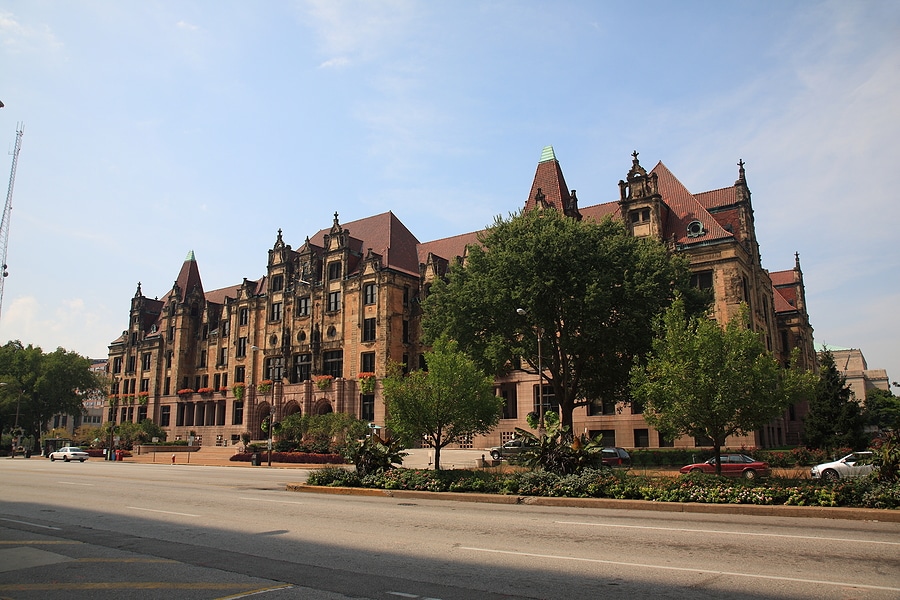

The dynamics of urban success and failure are often complex, influenced by a myriad of factors including governance, economic policy, demographic trends, and community engagement. A compelling case study in contrasting urban trajectories can be seen in the juxtaposition of Kansas City and St. Louis. Despite their geographical proximity and historical similarities, Kansas City has experienced a resurgence in recent years, while St. Louis has continued to grapple with decline and stagnation.
At the heart of Kansas City’s resurgence is its ability to adapt and innovate. City leaders have strategically invested in infrastructure and cultural amenities, fostering a vibrant economy that attracts new residents and businesses. For example, the revitalization of the Crossroads Arts District has not only drawn artists but also encouraged a lively nightlife and restaurant scene, positioning the city as an attractive destination for young professionals. Moreover, Kansas City’s emphasis on public-private partnerships has led to significant investments in areas like technology and healthcare, creating jobs and spurring economic growth.
In stark contrast, St. Louis has often found itself ensnared in cycles of decline, primarily due to a reluctance among its leaders to embrace change. The city’s governance has suffered from fragmentation and infighting, leading to a lack of cohesive and effective policy decisions. This political instability has hindered initiatives that could stimulate growth. While Kansas City capitalized on its assets, St. Louis has struggled with issues like high crime rates, poverty, and a declining population—all of which stymie investment and development. The city’s attempt to leverage its historical significance has not translated into necessary urban rejuvenation but rather remains a relic of what once was.
Furthermore, St. Louis has failed to learn from Kansas City’s successes. The reluctance to adopt innovative ideas, whether in terms of urban planning or economic strategies, has perpetuated a cycle of stagnation. For example, Kansas City has prioritized public spaces and community engagement in its planning efforts, fostering a sense of local ownership and pride. In contrast, St. Louis has often leaned towards top-down decision-making that alienates its citizens and stifles grassroots initiatives.
In conclusion, the contrasting fates of Kansas City and St. Louis serve as a poignant reminder of the importance of adaptability, innovative leadership, and community engagement in urban environments. Without learning from failures and successes alike, cities can easily find themselves caught in a downward spiral of neglect and decline, losing the very essence of what makes them vibrant urban centers. As urban challenges evolve, so too must the strategies and mindsets of their leaders.
For more details and the full reference, visit the source link below:

