
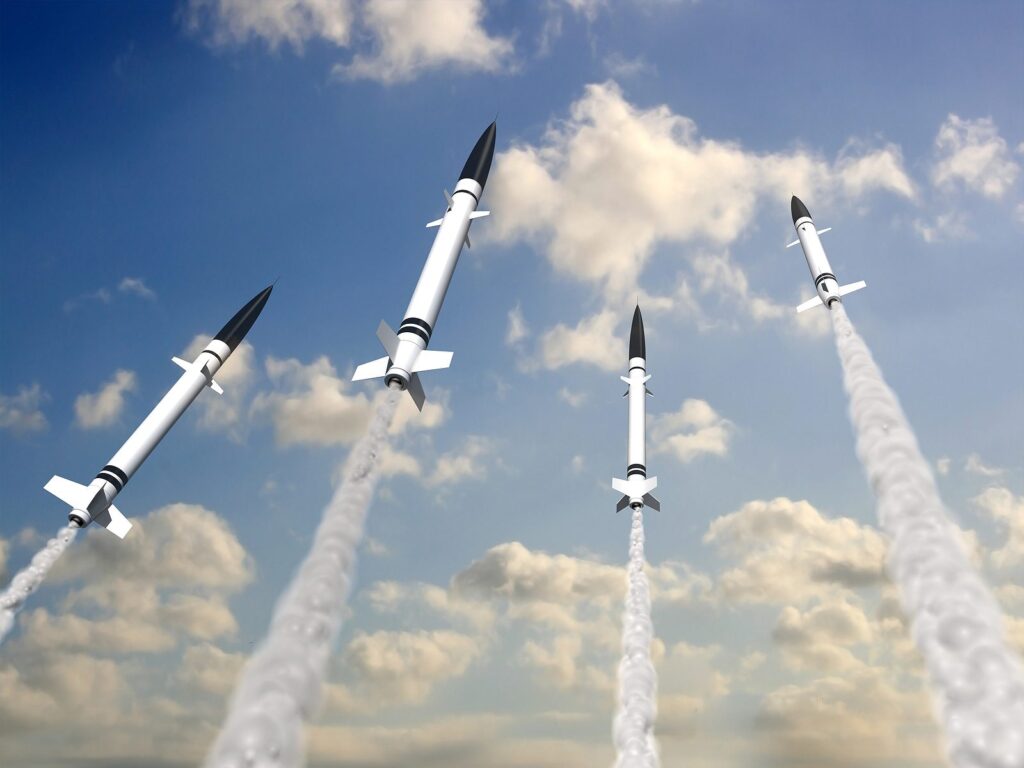

In a significant escalation of military operations in the region, the United States has conducted airstrikes against Iranian-affiliated targets for the eighth consecutive night, following a deadly attack on a U.S. military base in Jordan. This wave of strikes is a direct response to the increasing hostilities that have characterized U.S.-Iran relations, particularly in the context of ongoing regional conflicts involving various militant groups.
The series of strikes has been aimed primarily at Iranian-backed militias operating in Iraq and Syria, which have been accused of orchestrating attacks on U.S. personnel and interests. The immediate catalyst for the recent U.S. military action was a coordinated assault on a base in Jordan, which resulted in soldiers being injured and equipment damaged. This base has often been a strategic hub for operations against ISIS and other extremist factions in the region, commemorating its importance to U.S. and coalition forces.
The U.S. government’s response emphasizes a commitment to protecting its personnel and assets abroad while holding accountable those responsible for attacks on its forces. Military officials have reiterated that these strikes are not meant to provoke further conflict but rather to deter future attacks from Iranian proxies, which have become increasingly emboldened in recent years.
Internationally, these developments have sparked debate about the U.S. military’s role in the Middle East. Critics argue that a continued cycle of retaliation may not effectively stabilize the region and could lead to a broader conflict. Supporters assert that decisive military action is necessary to safeguard U.S. troops and interests and to demonstrate that aggressive actions will have consequences.
The Iranian government has condemned the U.S. strikes, characterizing them as violations of sovereignty and as acts of aggression that could escalate tensions further. Iran has long denied any culpability for the attacks on U.S. bases, claiming that its influence in the region is merely one of support for resistance groups rather than direct military engagement. This stance complicates the situation, as both nations navigate a turbulent landscape filled with proxy conflicts and regional rivalries.
As the airstrikes continue, the international community watches closely. Diplomatic solutions seem increasingly fraught amidst a background of military escalation. Both sides face pressure to seek avenues for de-escalation and dialogue to prevent a wider conflict. The situation remains fluid and precarious, reflecting the broader complexities of geopolitics in the Middle East, where alliances shift, and the risk of unintended consequences looms large.
For more details and the full reference, visit the source link below:


