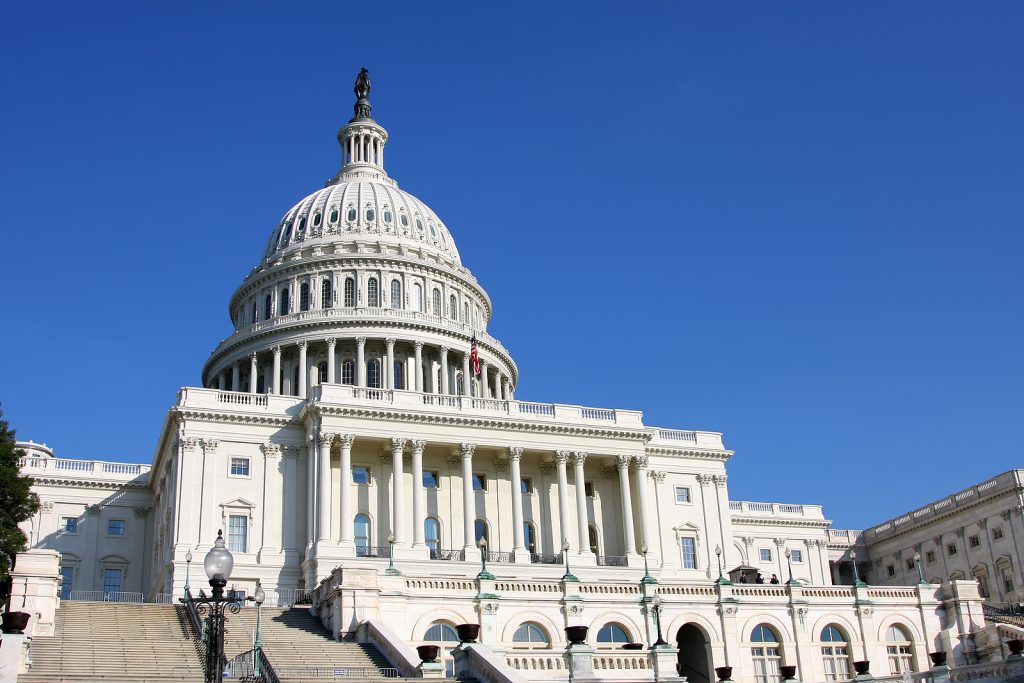

The decision to go to war in the United States is a complex interplay of political, military, and social factors, primarily shaped by the Constitution, historical context, and the dynamics of contemporary governance. The U.S. Constitution grants Congress the power to declare war, but this authority is often supplemented by the President’s role as Commander in Chief of the armed forces. This division of power leads to a unique duality in decision-making processes regarding military engagement.
Historically, the framers of the Constitution sought to ensure that such a significant decision wouldn’t rest solely in the hands of a single individual or body. The Founding Fathers recognized the potential for abuse of power and thus mandated that Congress must declare war. However, as global politics evolved and the nature of warfare changed—especially in the 20th and 21st centuries—the balance of power has shifted towards the executive branch. Presidents frequently engage in military actions without formal declarations of war, citing a need for quick responses to threats or emergencies. This has led to debates about the constitutionality and ethics of such actions.
The War Powers Resolution of 1973 further complicates this dynamic. This legislation aimed to limit the President’s ability to engage U.S. forces without congressional approval, requiring the President to consult with Congress before introducing armed forces into hostilities and report to Congress within 48 hours of doing so. Nonetheless, presidents have often circumvented this resolution, leading to tensions between the executive and legislative branches.
Additionally, public opinion plays a crucial role in decisions regarding military action. Leaders often weigh the consequences of military engagement against potential backlash from constituents. Media coverage and the public’s perception of threats can significantly influence whether politicians support or oppose military interventions. For instance, widespread public dissent influenced the Vietnam War’s trajectory, while a surge in patriotism post-9/11 facilitated the U.S. entry into Afghanistan.
Furthermore, the role of various stakeholders, including military advisors, intelligence agencies, and foreign allies, cannot be understated. Decisions are often founded on complex intelligence assessments and strategic calculations that underscore the multifaceted nature of modern warfare. The interplay between domestic politics, international relations, and military strategy makes the question of who decides when America goes to war intricate and multifarious.
In summary, the decision-making process regarding U.S. military engagements hinges on constitutional provisions, historical precedents, executive authority, and popular sentiment. This intricate relationship continues to evolve, reflecting the challenges of governance in an increasingly complex global landscape.
For more details and the full reference, visit the source link below: