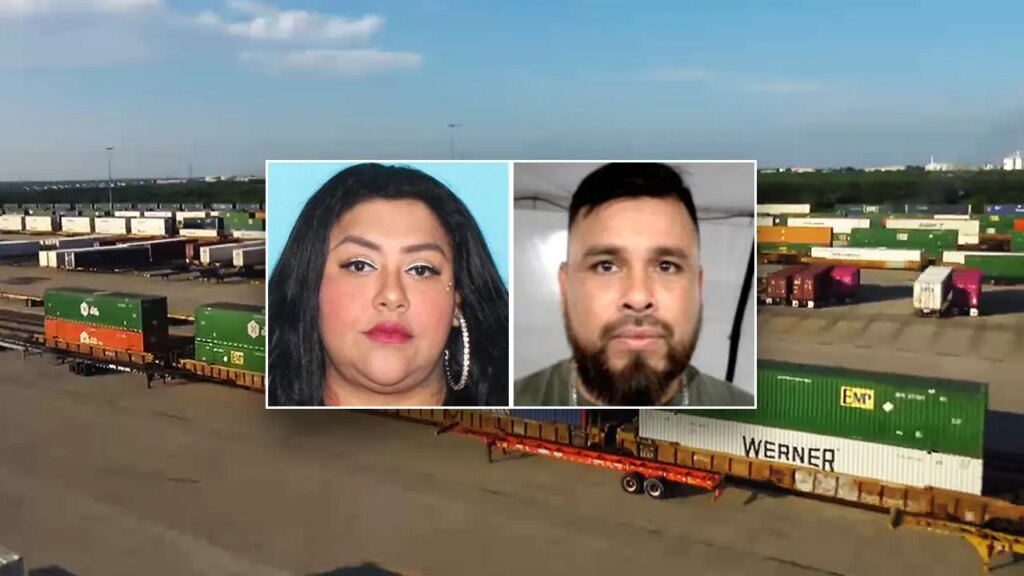

11 Indicted in Texas Smuggling Ring That Killed 7 Migrants in Container
Introduction
In a tragic and alarming development, 11 individuals have been indicted in connection with a smuggling operation in Texas that resulted in the deaths of seven migrants. This incident highlights the ongoing issues surrounding human trafficking and the dangerous conditions migrants often face while seeking safer lives. As authorities continue to investigate this case, the implications for immigration policy, law enforcement, and human rights become increasingly apparent.
Background on the Incident
In May 2022, local law enforcement discovered a truck abandoned near San Antonio, Texas, which contained the bodies of seven migrants. The migrants had perished from heat exposure and suffocation after being trapped inside a sealed container, which is a grim reminder of the lengths individuals will go to escape dire situations in their home countries. This inhumane tragedy shed light on the ever-growing smuggling networks that exploit vulnerable individuals.
Indictment Details
The recent indictments reveal a complex network of 11 individuals who allegedly played roles in this smuggling ring. They are facing multiple charges, including conspiracy to transport and harbor undocumented immigrants. Many of these individuals are believed to have connections to organized crime syndicates that specialize in human trafficking. The Texas authorities have stated that they are committed to bringing justice to the families of those who lost their lives.
The Human Cost of Smuggling
The deaths of the seven migrants exemplify the high costs associated with human smuggling. Many individuals resort to these dangerous routes due to economic hardships, violence, or persecution in their home countries. They often place their trust in smugglers, unaware of the risks involved. Tragically, this trust can be misplaced, leading to dire outcomes, including deaths, exploitation, or even further victimization.
Migrant Vulnerability
Migrants from various regions, particularly Central and South America, are often fleeing violence, poverty, and instability. Smugglers prey on their desperation, promising safe passage and better lives but delivering death instead. Understanding the sociopolitical contexts driving migration can help policymakers develop comprehensive strategies to provide aid and support to at-risk populations while combatting smuggling networks.
Legal Ramifications
The indictments carry significant legal consequences for those involved in human smuggling operations. The charges can result in lengthy prison sentences and substantial fines. This case brings to the forefront the need for legislative reforms to address human trafficking and establish stricter penalties for those who exploit vulnerable individuals.
Border Security and Immigration Policy
Increased enforcement of immigration laws is often proposed as a solution to human trafficking. However, focusing solely on punitive measures ignores the root causes of migration. A multifaceted approach that combines law enforcement with humanitarian aid and policy reform is imperative. With a tailored strategy, we can address the complexities of immigration while ensuring the safety and dignity of migrants.
Community Response
The community response to the tragic loss of lives has been poignant. Activists and organizations dedicated to migrant rights have rallied to demand justice and raise awareness about the horrors of human trafficking. By amplifying the voices of those affected and pushing for systemic changes, these advocates work to ensure that such tragedies do not recur.
The Role of NGOs and Activists
Non-governmental organizations (NGOs) play a crucial role in providing support to migrants, whether through legal assistance, social services, or direct aid. Their efforts to educate the public and lobby for policies that safeguard human rights are invaluable in combating human smuggling. Increased collaboration between government entities and NGOs can facilitate better outcomes for vulnerable populations.
The Larger Picture: Human Smuggling in America
The smuggling of migrants is not confined to Texas; it is a nationwide issue. As smugglers exploit loopholes and devise new strategies, governments must remain vigilant. The complexity of these networks requires a coordinated response at local, national, and international levels.
Global Efforts to Combat Human Trafficking
International cooperation is essential in the fight against human trafficking. Countries must collaborate to dismantle smuggling operations and protect individuals fleeing persecution. Treaties and agreements designed to facilitate the exchange of information and intelligence can bolster law enforcement efforts and save lives.
Conclusion
The indictment of 11 individuals in the Texas smuggling operation that led to the deaths of seven migrants serves as a wake-up call. It emphasizes the urgent need for comprehensive immigration reform and greater awareness regarding the dangers of human trafficking. By addressing the socio-economic factors driving migration, supporting at-risk populations, and holding perpetrators accountable, we can work towards a system that prioritizes the rights and safety of individuals seeking a better life.
Call to Action
It is imperative for readers, policymakers, and community members to advocate for humane immigration policies and support organizations working to combat human trafficking. Each voice matters in the effort to promote justice, safety, and dignity for all individuals, regardless of their origins. Together, we can create a world where tragedies like these become a thing of the past.