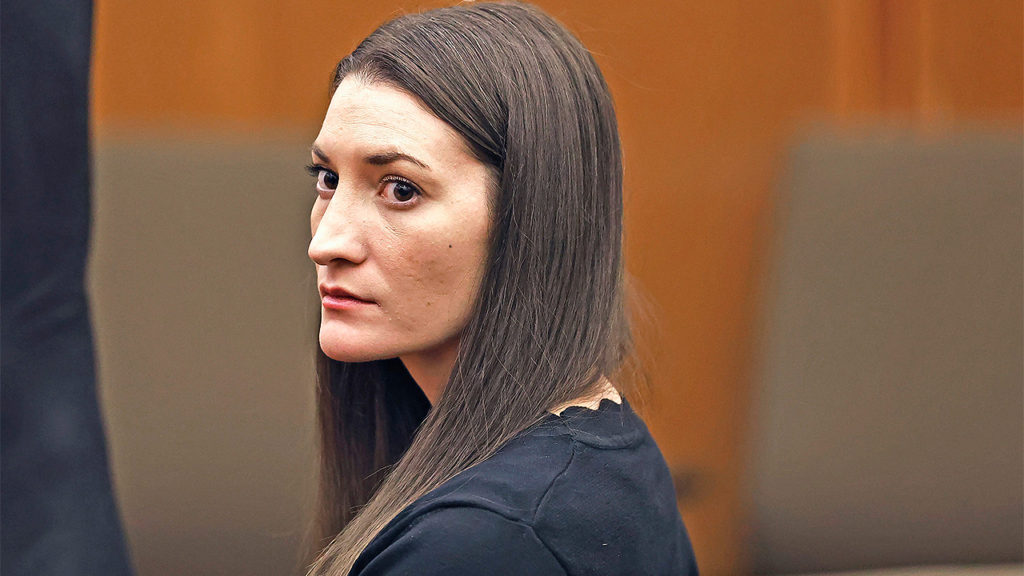

Lindsay Clancy Murder Trial: Judge Blocks Autopsy Photos and 911 Call
The case of Lindsay Clancy, a Massachusetts mother accused of murdering her three children, has captured the nation’s attention for its tragic and complex nature. As the trial unfolds, various legal maneuvers have surfaced, including a significant ruling by the presiding judge regarding the admissibility of certain evidence. This article delves into the latest developments in the Clancy murder trial, focusing particularly on the judge’s decision to block the release of autopsy photos and the 911 call.
Background of the Lindsay Clancy Case
In January 2023, Lindsay Clancy, a 32-year-old mother from Duxbury, Massachusetts, was charged with the murder of her three children: 5-year-old Cora, 3-year-old Dawson, and 8-month-old Callan. The case has drawn attention not only for its disturbing nature but also for the mental health issues that have been highlighted throughout the proceedings. Clancy reportedly struggled with postpartum depression, which raises important questions regarding maternal mental health in the context of such tragic incidents.
The Role of Autopsy Photos in the Trial
During high-profile murder trials, autopsy photos often play a critical role in the prosecution’s case. These images can evoke strong emotional reactions, and their admissibility can be a contentious issue. In the Lindsay Clancy trial, the judge ruled to block the introduction of autopsy photos, citing concerns about their potential to prejudice the jury and distract from the factual elements of the case.
Legal Precedents for Blocking Evidence
Blocking evidence like autopsy photos is not unprecedented in legal trials. Courts typically weigh the probative value of such evidence against its potential to inflame the jury’s emotions. The ruling signifies a commitment to ensuring that the trial remains focused on the facts rather than sensationalism. Legal experts note that this decision can be crucial in securing a fair trial for both the defense and prosecution.
The 911 Call Controversy
Another crucial piece of evidence in the trial is the 911 call made during the tragic events. The judge also ruled on the admissibility of this call, further complicating the prosecution’s case. The 911 call, which captures the panic and urgency of the situation, could have provided insight into Clancy’s mental state at the time. However, the ruling highlights the delicate balance between public interest and the rights of the defendant.
Implications of the 911 Call Ruling
The decision to limit access to the 911 call raises questions about transparency in the legal process. While the prosecution may view the call as compelling evidence of Clancy’s state of mind, the defense argues that its emotional weight could lead to biases among jurors. The judge’s ruling reflects the ongoing challenge of maintaining impartiality in cases laden with emotional depth.
The Impact on Public Perception
Both the decision to block autopsy photos and the 911 call have implications beyond the courtroom. The public perception of Lindsay Clancy has been shaped heavily by the media coverage of the case. Images, recordings, and sound bites—all influence how the jury and the public perceive Clancy’s actions.
Media Responsibility and Ethical Concerns
The media plays a significant role in shaping public narratives around criminal cases. Responsible reporting should aim to cover the facts without sensationalizing the events, but that balance is often hard to maintain. The judge’s rulings could serve as a reminder that while public interest is significant, it should not come at the expense of justice.
Legal Implications for the Clancy Trial
The decisions made by the judge can have far-reaching consequences on the trial’s outcome. If pivotal evidence, such as autopsy photos and the 911 call, are deemed inadmissible, the dynamics of the trial could shift dramatically.
The Role of Defense Attorneys
Clancy’s defense team has argued that the evidence against her relies heavily on emotional interpretations rather than factual guilt. By blocking certain pieces of evidence, the judge allows the defense to bolster its arguments, potentially leading to a more favorable outcome for their client.
Expert Opinions on Mental Health and Crime
The Lindsay Clancy case underscores the critical intersection between mental health and criminal justice. Experts in psychology and law are increasingly recognizing that many criminal acts, particularly those involving parents and children, can be rooted in untreated mental health issues.
The Need for Awareness
Uneasiness surrounds the stigmatization of postpartum conditions, as Lindsay Clancy’s case exemplifies. Comprehensive discussions about mental health in the context of crime can create opportunities for prevention and early intervention, emphasizing the need for more education in this area.
The Road Ahead for the Clancy Trial
As the trial progresses, the implications of the judge’s decisions will ripple through the courtroom dynamics. While strategies may shift based on what evidence is allowed, one aspect remains crucial: the search for justice amid a backdrop of unimaginable tragedy.
Conclusion
The Lindsay Clancy murder trial is an intricate case that probes the depths of human pain, loss, and mental health. The recent ruling by the judge to block autopsy photos and the 911 call signifies a commitment to a fair legal process. As the trial continues, all eyes will be on the courtroom as it navigates the complexities of evidence, mental health, and the pursuit of justice.
By understanding the broader implications of these rulings, we can appreciate the balance that the legal system must maintain. Through empathy and awareness, society can address the deep-seated issues of mental health that are often intertwined with criminal acts, ultimately fostering a more compassionate approach to justice.