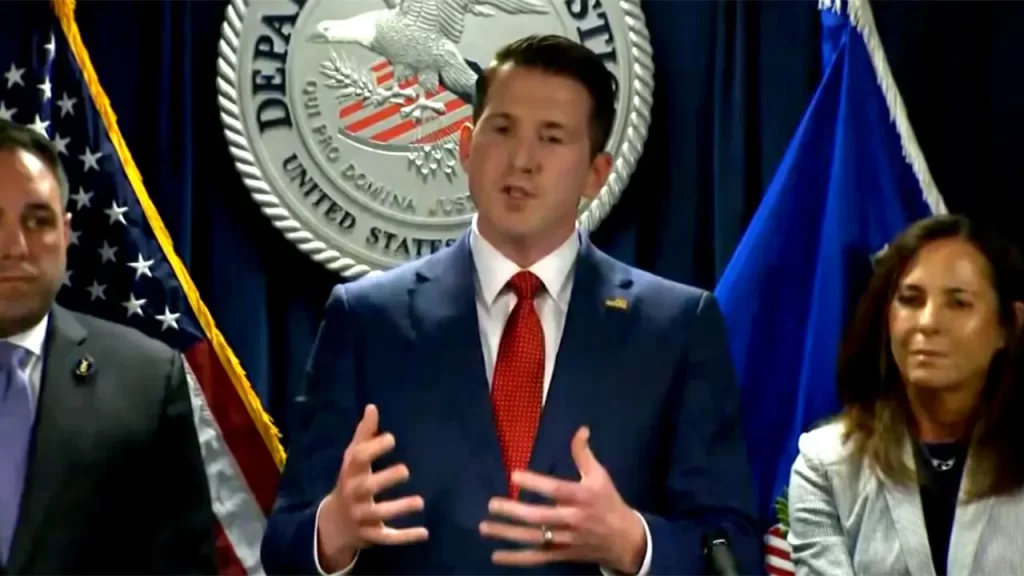

Massachusetts Benefits Fraud Scheme: 15 Charged in $1.4 Million Scandal
Introduction
In a shocking development aimed at tackling welfare fraud, authorities in Massachusetts have charged 15 individuals involved in a scheme that defrauded state programs of nearly $1.4 million. This case underscores the pressing issue of fraudulent activities within social benefit programs and highlights the proactive measures being taken by state officials to address this corruption.
Understanding the Fraud Scheme
What Happened?
The fraudulent scheme came to light when state investigators uncovered a network of individuals who conspired to exploit various public assistance programs. These programs are designed to support low-income individuals and families, offering essential services such as food assistance, housing support, and healthcare.
How It Worked
The alleged perpetrators are accused of submitting false applications and providing misleading information to obtain benefits they were not eligible for. By manipulating income reports, fabricating employment histories, and misrepresenting household sizes, these individuals were able to secure financial assistance unjustly.
The Impact of Fraud on Social Services
Financial Ramifications
The repercussions of such fraudulent activities extend beyond the immediate loss of funds. The total of $1.4 million represents significant resources that could have been more effectively utilized to support legitimate beneficiaries in need. Fraudulent claims burden state budgets and divert attention from those who genuinely require assistance.
Erosion of Public Trust
Public trust in social welfare programs is critical for their success. When fraud cases like this surface, they erode confidence in governmental institutions and can lead to stricter regulations and oversight, which may inadvertently hinder access for those truly in need. Trust is vital for the integrity of social service systems; extensive fraud can compromise this.
Authorities Take Action
Investigation and Charges
The investigation was spearheaded by the Massachusetts Attorney General’s Office and involved collaborating with various state agencies. These efforts have become increasingly necessary as fraud cases proliferate, demonstrating a commitment to upholding the integrity of public assistance programs.
The Legal Process
The individuals charged face serious consequences, including potential fines and imprisonment. The legal process aims to serve as a deterrent, emphasizing that fraudulent activities will not be tolerated.
Community Reactions
Public Awareness Campaigns
In light of this significant case, local authorities are initiating public awareness campaigns to educate communities about the importance of reporting fraud and understanding the eligibility requirements for benefits. An informed public can play a crucial role in combating fraud.
Support for Victims
State officials have also expressed commitment to ensuring that genuine beneficiaries are not adversely affected by these fraudulent activities. This includes revising policies to better protect vulnerable populations while continuing to hunt down fraudsters.
The Role of Technology in Combating Fraud
Enhanced Detection Methods
With advancements in technology, investigators have developed more sophisticated methods to detect fraudulent activity. Data analytics, for instance, can be used to identify patterns indicative of fraud, making it easier for authorities to flag suspicious applications.
Future Innovations
As technology integrates deeper into social assistance frameworks, we can expect more streamlined processes for verifying applicants’ eligibility. Innovation could lead to a more efficient system that enhances both the accessibility of benefits for those in need and the security of state programs.
Moving Forward: Preventing Future Fraud
Legislative Measures
In response to this massive fraud case, legislators are reviewing policies governing public assistance programs. Further tightening regulations may be necessary to prevent such incidents from happening again.
Educational Initiatives
An ongoing effort to educate both beneficiaries and state employees about the rules and regulations surrounding benefit eligibility will be fundamental in deterring fraudulent activities in the future. Regular training and updates about the implications of fraud can foster a more vigilant environment.
Conclusion
The charging of 15 individuals in this $1.4 million Massachusetts benefits fraud scheme serves as a stark reminder of the vulnerabilities in social assistance programs. However, through collaborative efforts between law enforcement and community awareness initiatives, steps are being taken to correct these issues. As Massachusetts aims to recover lost funds and hold wrongdoers accountable, there is also hope for a more secure, effective system that truly serves the needs of its residents.
By shining a light on such fraud cases and taking swift action against those responsible, Massachusetts is setting a precedent for other states dealing with similar issues. The battle against welfare fraud is ongoing, but with enhanced detection methods, community cooperation, and legislative support, the future can be brighter for social assistance programs—a lifeline for countless individuals and families.