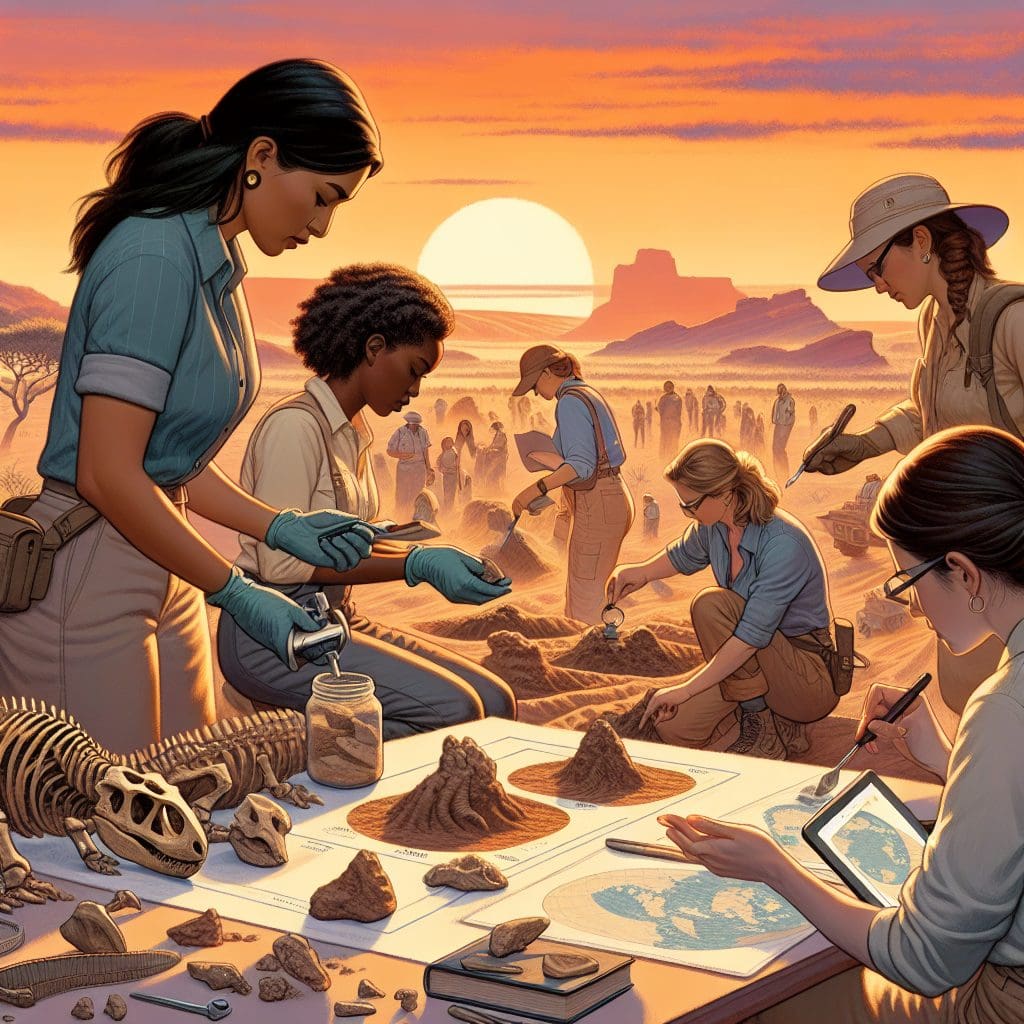

In the realm of science, particularly paleontology, the conversation surrounding gender dynamics has increasingly drawn parallels to the broader societal issues of misogyny. The term “Epstein Dilemma,” derived from the controversial associations tied to figures like Jeffrey Epstein, serves as a lens through which female paleontologists are expressing concerns about their experiences in a historically male-dominated field. This dilemma often manifests as a struggle against entrenched sexism, where the achievements of women are overshadowed by the actions and legacies of powerful male figures.
Female paleontologists have vocalized that their battles are not solely about individual experiences but reflect systemic issues that exist across various scientific disciplines. One vital aspect of this dilemma is the notion of recognition and visibility. Women in paleontology often find that their contributions are minimized or ignored, overshadowed by their male counterparts, leading to a phenomenon where women must work twice as hard to gain equal acknowledgment. This systemic bias reinforces a culture where male contributions are celebrated while women remain in the background, echoing broader societal patterns of gender inequality.
Additionally, the Epstein Dilemma underscores the issue of toxic workplace culture within academic and scientific institutions. Numerous anecdotes from women reveal experiences of harassment, condescension, and exclusion, which contribute to an environment that is both unwelcoming and hostile. This culture not only discourages women’s participation in the field but also perpetuates the cycle of misogyny that alienates female scientists and diminishes their professional autonomy.
Moreover, the interplay of power dynamics is evident in the mentorship landscapes of various disciplines, including paleontology. Male mentors often hold disproportionate influence over funding opportunities, publications, and career advancements, which can inadvertently reinforce existing gender disparities. Female paleontologists express a desire for more equitable mentorship programs that can help dismantle these structures, pointing to the necessity of creating supportive networks that uplift women in science.
To address these challenges, the paleontological community must engage in introspection and commit to cultural change. Solutions include fostering inclusive environments, implementing fair hiring practices, and offering dedicated support for women and underrepresented groups in science. Empowering female voices within the field—highlighting their research, contributions, and leadership—can shift the narrative surrounding paleontology to one that values diversity and dismantles misogynistic structures.
In conclusion, the Epstein Dilemma serves as a stark reminder of the challenges faced by female paleontologists, reflecting broader societal issues rooted in misogyny. By addressing these concerns and fostering a more inclusive scientific culture, the paleontological community can ensure that all voices are heard and valued, paving the way for a more equitable future in science.
For more details and the full reference, visit the source link below: