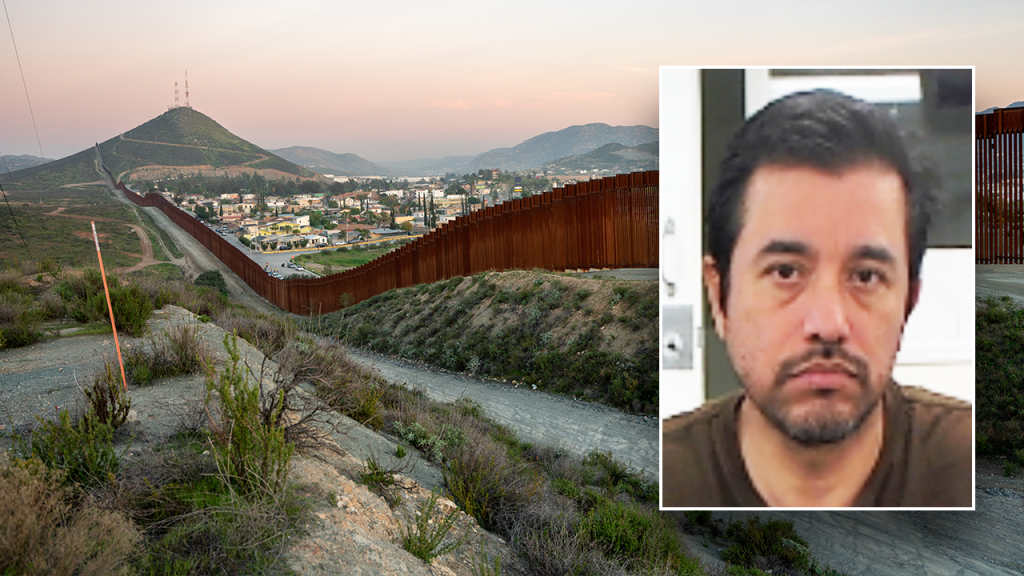

DHS Confirms Indiana Serial Rape Suspect Had Two Prior ICE Arrests
Introduction
In recent developments, the Department of Homeland Security (DHS) has confirmed that a suspect linked to multiple sexual assault cases in Indiana had previously been arrested twice by U.S. Immigration and Customs Enforcement (ICE). This revelation raises pressing questions regarding immigration enforcement protocols and public safety. In this article, we will examine the implications of these arrests, the details surrounding them, and the community’s reaction to this alarming series of events.
Background: The Indiana Serial Rape Case
The tragic case in Indiana involves allegations against a suspect who has been linked to multiple incidents of sexual assault. Reports indicate that the assaults span several years, affecting numerous victims and leaving the community in a state of fear and uncertainty. As law enforcement continues to investigate these incidents, the confirmation from DHS sheds light on the suspect’s immigration status and potential oversight by authorities.
The Role of ICE and Immigration Enforcement
ICE is responsible for enforcing immigration laws and ensuring the safety and security of communities across the United States. This includes investigating individuals who may be present in the country unlawfully. The two prior arrests conducted by ICE provide critical context for understanding the suspect’s background and legal status. Such arrests are generally aimed at individuals whose presence in the country poses a threat, raising further questions about oversight and management.
Details of the ICE Arrests
The DHS’s confirmation reveals that the suspect had two encounters with ICE prior to the sexual assault allegations. While specific details of the arrests remain undisclosed, it is essential to analyze how these encounters were handled and why the suspect was allowed to remain at large. Questions surrounding these decisions impact not only public safety but also broader discussions on immigration policy and law enforcement collaboration.
First ICE Arrest: Context and Circumstances
The first ICE arrest took place under circumstances that suggested the individual’s status was questionable. However, it appears that he was either released or granted some form of leniency. Understanding the rationale behind these decisions is crucial as they can influence the effectiveness of immigration enforcement in preventing criminal activity.
Second ICE Arrest: The Follow-Up
Following the first arrest, the second interaction with ICE raises similar questions. Was there a change in the suspect’s behavior, or were there other factors at play that led to a lack of further action? The frequency of these arrests is alarming, particularly when linked to such severe allegations as serial rape.
Community and Victims’ Reactions
As news about the suspect’s immigration history and the nature of the allegations spread, community members expressed a mix of anger, fear, and confusion. Victims of the assaults are particularly affected, grappling with the emotional and psychological trauma that accompanies such violent crimes. This case underscores the need for communities to feel safe and for law enforcement to enforce policies that prioritize public safety.
Victims’ Advocacy and Support
Local advocacy groups have rallied around survivors, emphasizing the importance of mental health support and legal assistance. Initiatives aimed at helping the victims navigate the aftermath of trauma have emerged, highlighting a community coming together in the face of adversity.
Implications for Immigration Policy
The situation raises crucial questions about the efficacy of current immigration policies. With the DHS confirming the collisions between immigration enforcement and public safety, there is a pressing need for policy revision. Discussions surrounding the balance between humane immigration practices and the necessity for community safety are more relevant than ever.
Calls for Reform
Community leaders and activists are now calling for reforms that would ensure better coordination between local law enforcement and immigration officials. Advocates argue that effective communication is vital for ensuring that individuals with serious criminal histories do not slip through the cracks of the system.
The Bigger Picture: Immigration and Crime
Immigration policies and crime prevention strategies are often entangled in public debate. The current momentum surrounding this case may catalyze broader discussions about immigration enforcement practices, particularly the need to ensure that those present in the country unlawfully but not posing a direct threat are dealt with sensitively.
Conclusion
The DHS confirmation regarding the Indiana serial rape suspect’s prior ICE arrests highlights significant lapses in the oversight of individuals with potential criminal histories in the U.S. Immigration policies must prioritize both the safety of communities and the humane treatment of individuals. As discussions unfold, it remains critical to pursue comprehensive and collaborative approaches that focus on public safety while respecting human rights. The tragedy of this case underscores the need for urgent reforms and community involvement in creating safe environments across the nation.
Key Takeaways
- The DHS has confirmed that the Indiana serial rape suspect had two prior ICE arrests.
- Questions arise regarding the effectiveness of immigration enforcement and public safety.
- Community response emphasizes the need for better advocacy and support for victims.
- Discussions around immigration policy are crucial in light of these events.
- Reform and collaboration between law enforcement and immigration agencies are necessary for safe communities.
By addressing the multifaceted issues surrounding this case, we can work towards a safer society that is built on justice and advocacy for all.