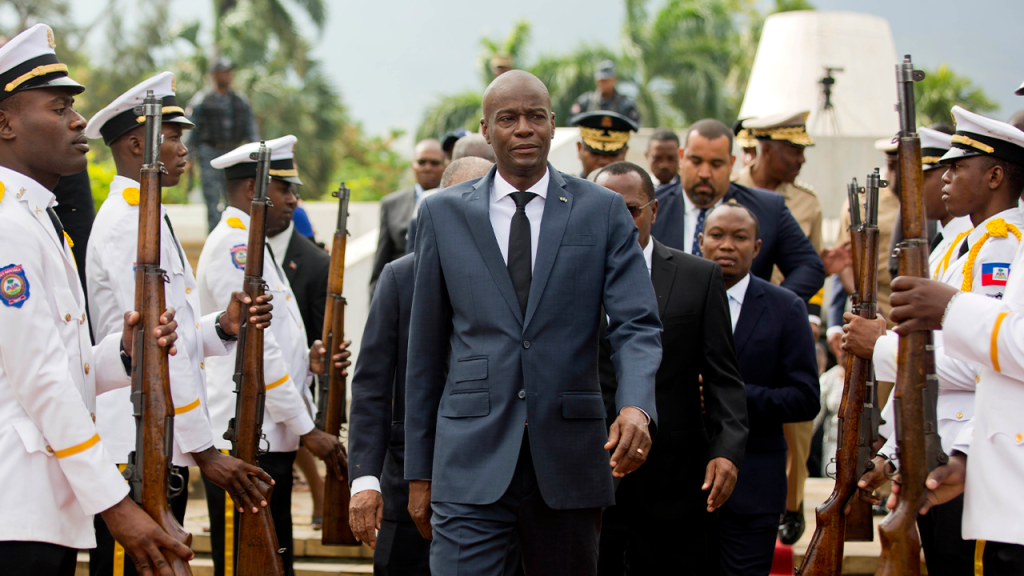

Four Men Convicted in Florida for the 2021 Assassination of Jovenel Moïse
In a shocking turn of events that captured international attention, four men were convicted in Florida for their involvement in the assassination of Haitian President Jovenel Moïse. This high-profile case has raised numerous questions about political instability in Haiti, international diplomacy, and the legal proceedings surrounding the assassination. In this article, we will delve into the details of the case, the implications of the convictions, and the broader context in which these events unfolded.
Background: The Assassination of Jovenel Moïse
On July 7, 2021, Jovenel Moïse was assassinated in his residence in Port-au-Prince, Haiti. The incident marked a turning point for the nation, which was already struggling with political turmoil, economic challenges, and widespread gang violence. Moïse had faced increasing opposition during his presidency, and his assassination sent shockwaves through the country and beyond.
The Individuals Involved
The four men convicted in Florida—who are of Haitian origin—were accused of being key players in a plot that led to Moïse’s assassination. Their actions not only had dire consequences for Moïse but also for the political landscape of Haiti. The narrative surrounding their involvement sheds light on the complexities of political power and criminal activity in the region.
Legal Proceedings: From Florida to Haiti
The arrest and trial of the four men involved in Moïse’s assassination took place in a highly publicized process. The legal proceedings sparked significant interest due to the nature of the crime and its impact on international relations.
Charges and Evidence
The men were charged with various offenses, ranging from conspiracy to commit murder to the actual execution of the assassination plan. Key pieces of evidence presented by law enforcement included communications intercepted by federal authorities revealing the suspects’ roles leading up to the assassination.
The Role of U.S. Authorities
U.S. authorities played a crucial role in the investigation and prosecution of the case. After the assassination, the FBI and other federal agencies worked to uncover the layers of the conspiracy. The collaboration between Haitian and U.S. law enforcement showcased the international nature of the crime and the shared interest in justice for the assassination of a head of state.
Implications of the Convictions
The convictions of the four men have far-reaching implications for both Haiti and the United States.
Impact on Haiti’s Political Landscape
The aftermath of Moïse’s assassination has plunged Haiti into even greater uncertainty. Political factions have struggled for power, and the lack of a cohesive government has left the nation vulnerable to instability. The convictions could serve as a warning to those who might consider political violence as a means to an end.
U.S.-Haiti Relations
The case also has consequences for diplomatic relations between Haiti and the United States. The U.S. has a history of involvement in Haitian affairs, and these convictions reinforce the importance of accountability and due process in international relations. The outcome of this case could influence future U.S. policies towards Haiti, particularly in areas concerning aid, security, and governance.
Public Reactions
The public reaction to the convictions has been mixed, reflecting the deep divisions within Haitian society. Supporters of Moïse see the convictions as a step towards justice, while critics argue that the focus on these individuals distracts from the larger systemic issues contributing to Haiti’s problems.
Speaking Out
Human rights organizations have called for a comprehensive examination of the political and social conditions that led to Moïse’s assassination. They argue that surface-level justice is insufficient without addressing the underlying issues of corruption, poverty, and gangs that plague the nation.
The Future of Haiti
As Haiti continues to grapple with the consequences of Moïse’s assassination and the subsequent legal proceedings, the future remains uncertain.
Calls for Stability
Experts emphasize the need for a concerted effort to restore stability in Haiti. This may involve political reforms, humanitarian aid, and international support focused on sustainable development rather than mere short-term solutions.
International Engagement
The international community’s engagement will likely shape Haiti’s trajectory in the coming years. Increased attention from global entities could lead to a more significant focus on the systemic issues that contribute to violence and instability.
Conclusion: A Cautionary Tale
The conviction of the four men in Florida for the assassination of Jovenel Moïse serves as a cautionary tale about the dangers of political violence and the complexities of governance in fragile states. While justice has been served in this instance, the path ahead for Haiti requires profound change and commitment to stability.
As the nation continues to heal from the traumas of the past, it is imperative for both Haitian and international stakeholders to engage in meaningful dialogue and action aimed at creating a more prosperous and stable future for the people of Haiti.
SEO Optimization Notes
To ensure SEO optimization for this article:
- Use relevant keywords like “Jovenel Moïse assassination,” “Haiti political instability,” “Florida convictions,” and “international relations.”
- Incorporate internal linking to related articles on Haitian politics, legal proceedings, and international law.
- Use header tags (H1, H2, H3) effectively for better readability.
- Ensure mobile-friendliness and fast loading times to enhance user experience.
This approach not only informs the reader but also helps garner visibility on search engines, thereby reaching a broader audience.