
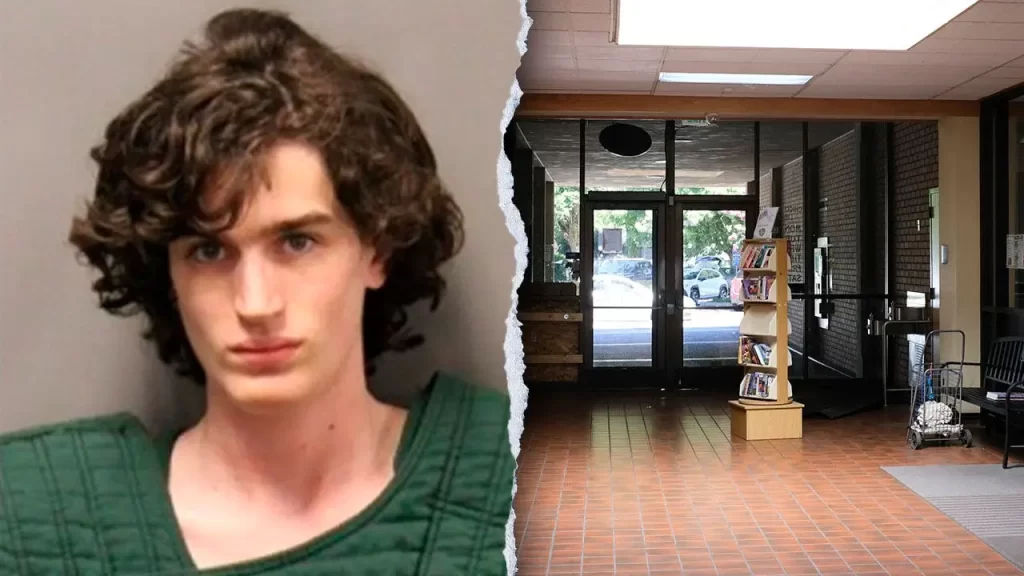

Chico, California: The Library Shooting Suspect Influenced by Columbine
Introduction
On a tragic day in Chico, California, the local community was shaken by a library shooting that left many in shock and mourning. As investigations unfolded, law enforcement officials revealed the suspect’s disturbing connections to the infamous 1999 Columbine High School shooting. In this article, we will delve into the background of the shooting, the suspect’s motivations, and the broader implications of such tragedies in society.
Background of the Chico Library Shooting
In recent events that occurred at the Chico Public Library, a shooting left multiple individuals injured, causing widespread panic and fear among residents. The local police responded swiftly, apprehending the suspect within moments of the incident. As law enforcement delved deeper into the case, it became evident that this was not an isolated act of violence; rather, it bore significant similarities to past tragedies.
The Influence of Columbine on the Suspect
Tragic Legacy of Columbine
The Columbine High School shooting is one of the most infamous and devastating mass shootings in American history. On April 20, 1999, two students, Eric Harris and Dylan Klebold, carried out a meticulously planned attack, resulting in the deaths of 13 people and leaving many others injured. This tragic event not only shocked the nation but also catalyzed discussions about youth violence, gun control, and mental health.
Suspect’s Connection to Columbine
According to reports from the FBI, the suspect in the Chico library shooting idolized the Columbine shooters. This fixation raises concerning questions about the influence of previous mass shootings, particularly among younger individuals who may feel alienated or disenfranchised. The suspect reportedly had a detailed collection of Columbine-related memorabilia, including writings and videos that glorified the attack and examined its perpetrators.
Understanding Motives Behind Such Violence
The Role of Isolation and Alienation
One of the factors that often come into play in such tragic incidents is the sense of isolation that many young people experience. The suspect’s background indicated a history of social difficulties, leading to feelings of resentment and despair. This isolation can act as a catalyst, prompting individuals to seek attention through extreme actions, such as mass shootings.
The Digital Age and Desensitization
With the rise of social media and online communities, individuals who feel marginalized can find themselves exposed to harmful ideologies and violent glorifications. The internet becomes a breeding ground for echoes of anger and revenge, making it easier for impressionable youths to find justification for their actions. The FBI noted that the suspect was active in online forums discussing Columbine and other violent acts, highlighting this dangerous trend.
The Community’s Response
Shock and Grief
In the aftermath of the shooting, the Chico community rallied together, expressing their shock and grief over the incident. The public’s outpouring of sympathy for the victims was palpable, showcasing the resilience and compassion of the residents. Community vigils were held as a means to honor those affected and to promote healing.
Increased Focus on Mental Health
In light of such tragedies, the importance of mental health resources cannot be overstated. Local leaders and mental health advocates have called for increased investment in support systems for youth. This incident has reignited discussions about how to better identify and support individuals in mental distress before they resort to dire actions.
Law Enforcement and Prevention Strategies
The Role of the FBI
The FBI has been at the forefront of investigating mass shootings and studying their underlying motives. Their findings illustrate a pattern of behavior among shooters, including the idolization of past events. By understanding these patterns, law enforcement agencies can develop effective strategies to identify potential threats before they escalate into violence.
Community Engagement and Education
Preventative measures are essential in addressing the root causes of violence. Community engagement initiatives that focus on youth mentorship, conflict resolution, and educational programs can help to mitigate feelings of isolation. Schools are also encouraged to maintain open dialogues about mental health, enabling students to seek help without stigma.
Conclusion
The Chico, California library shooting serves as a stark reminder of the complexities surrounding acts of mass violence and their influences. As the FBI explores the suspect’s ties to the Columbine shooting, we are confronted with the harsh realities of gun violence, mental health, and societal isolation. It is crucial for communities to come together, fostering resilience and empowerment through education and open communication. Only through collective efforts can we hope to prevent future tragedies from occurring and create an environment where individuals feel supported and valued.
Final Thoughts
In closing, the tragedy in Chico emphasizes the need for a multifaceted approach to addressing violence in our communities. We must take the lessons of the past, such as the Columbine shooting, and work towards building a society that prioritizes mental health, community engagement, and effective communication. It is imperative that we remain vigilant in our efforts to understand and address the underlying issues that lead to such devastating acts and strive towards a safer future for all.

