
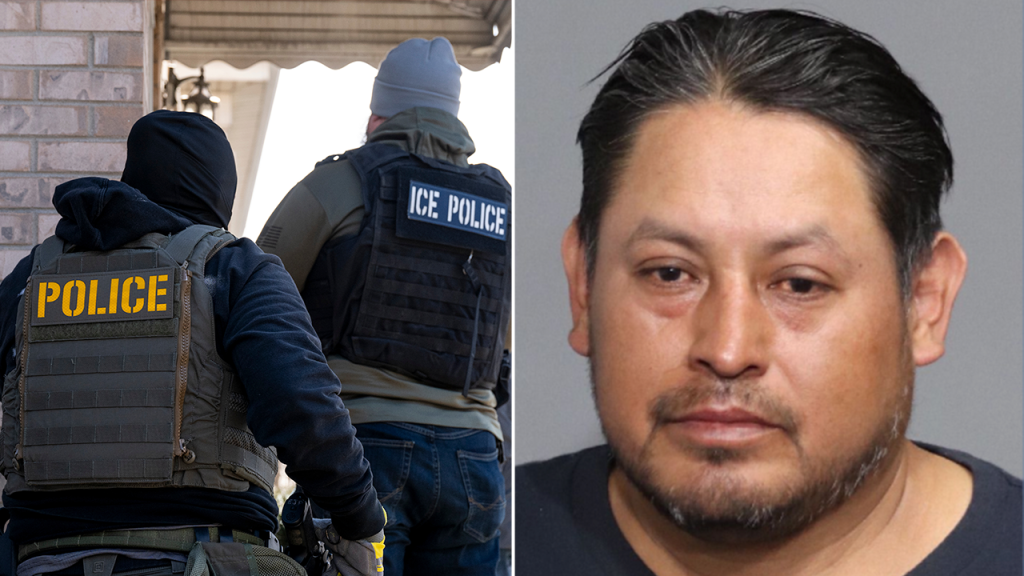

DHS Demands NYC Honor Detainer for Illegal Immigrant Who Raped Corpse: An Analysis
In a shocking case that has garnered national attention, the Department of Homeland Security (DHS) has mandated New York City to honor a detainer for an illegal immigrant involved in a heinous crime—raping a corpse. This incident raises crucial questions regarding immigration laws, public safety, and the responsibilities of local governments.
Understanding Detainers and Their Significance
A detainer is a request from federal immigration authorities asking local law enforcement to hold an individual in custody for a specified period, allowing for the transfer of that individual to immigration authorities upon release. The primary goal is to ensure that individuals who may pose a risk to public safety or who have committed crimes are not easily released back into the community.
The Role of the DHS
The DHS is responsible for enforcing immigration laws and maintaining national security. When the DHS issues a detainer, it traditionally means they have identified an individual in local custody who may be deportable due to their immigration status or criminal record. In the case at hand, the detainer was imposed due to the individual’s heinous crime, particularly the crime of raping a corpse, which not only is morally reprehensible but raises significant legal and ethical questions.
The Crime: Unpacking the Horror
The act of raping a corpse is inherently vile and presents complex layers of horror that extend beyond the immediate crime. It raises severe societal concerns about respect for the dead, human dignity, and community safety. Such acts often trigger intense public outcry and demand thorough investigation and accountability from law enforcement agencies.
The Legal Framework
New York City’s sanctuary policies complicate the enforcement of detainers. These policies often prohibit local law enforcement from cooperating with federal authorities regarding immigration detainers, leading to an ongoing debate between public safety and the rights of undocumented individuals. The laws that govern these detainers aim to strike a balance between ensuring public safety and respecting individual rights, but incidents like these test the efficacy and morality of these policies.
The Implications for New York City
The demand by DHS for NYC to honor the detainer carries several implications:
Public Safety Concerns
The primary concern is public safety. The fact that an individual accused of committing such a horrific act remains in the community underscores the potential for further risk. Critics argue that local governments need to prioritize the safety of their residents rather than adhere strictly to sanctuary policies.
Legal and Ethical Dilemmas
This case creates a legal quagmire for NYC. How do local laws align with federal immigration laws? The tension between the two has led to various legal battles, with cities across the United States grappling with how to effectively manage their own laws while adhering to federal mandates.
The Impact on Immigrants
While this case specifically involves an illegal immigrant accused of a serious crime, it also casts a shadow over the broader immigrant community. The actions of one individual can lead to heightened scrutiny and fear among law-abiding undocumented immigrants in the area.
Fear of Reporting Crimes
Many immigrants, regardless of their legal status, may fear interacting with law enforcement due to potential deportation consequences. This can lead to underreporting of crimes in immigrant communities, exacerbating public safety issues and creating a divide between law enforcement and the communities they serve.
Addressing the Issue: Proposed Solutions
To address the complex issues arising from this incident, several proposed solutions should be considered:
Re-evaluating Sanctuary Policies
Local governments may need to reevaluate their sanctuary policies to assess their impact on public safety effectively. Balancing the protection of community members and cooperation with federal authorities is vital.
Improved Communication Between Local and Federal Authorities
Enhancing communication and cooperation between local law enforcement agencies and federal immigration authorities can create a more effective response to individuals who pose a threat to community safety.
Community Engagement Programs
Establishing programs that foster engagement between law enforcement and immigrant communities can help build trust. When communities feel safe to report crimes and cooperate with police, overall community safety improves.
Conclusion: A Case for Public Safety
The DHS’s demand for New York City to honor the detainer for an illegal immigrant accused of raping a corpse underscores a critical intersection of immigration, law enforcement, and public safety. As society grapples with these complex issues, it is essential to navigate the tightrope of respecting rights while ensuring public safety.
The implications of this case are profound, as they highlight the tension between local and federal laws and raise broader questions about community safety, ethical responsibility, and the treatment of individuals within the justice system. By addressing these concerns holistically, stakeholders can work toward a more just and secure society for all.
Call to Action
As crimes like this rattle communities, it is more vital than ever for local and federal authorities to collaborate effectively. Communities must also play a role in safeguarding their own safety while respecting their rights. Ultimately, a cohesive approach can create an environment where public safety is prioritized without sacrificing human dignity and respect.


